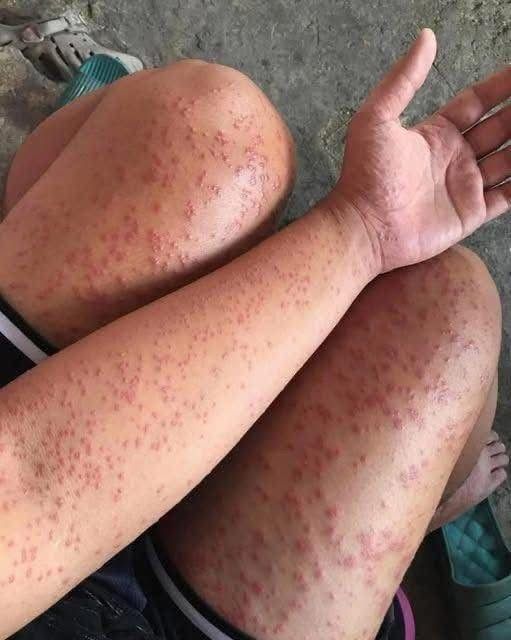
But there are situations where hives can be an early warning sign of something much more serious—and recognizing the difference matters.
What Hives Can Look Like
Hives (also called urticaria) usually appear as raised red or pink welts on the skin that may:
- itch intensely
- burn or sting
- change shape or size
- spread quickly
- disappear in one area and reappear in another
They can show up on the arms, chest, legs, back, neck, or almost anywhere on the body.
Hives themselves are common and can happen for many reasons, including allergies, infections, medications, heat, stress, or even no obvious trigger.
When Hives Become More Concerning
The biggest concern is when hives happen alongside symptoms affecting breathing, swelling, or circulation.
Warning signs that need urgent medical attention can include:
- trouble breathing or shortness of breath
- wheezing or persistent coughing
- tightness in the chest
- swelling of the lips, tongue, face, or throat
- feeling like the throat is tightening
- dizziness or faintness
- rapid heartbeat
- pale or clammy skin
- sudden weakness or confusion
When symptoms involve more than the skin—especially the airway—it may indicate a severe allergic reaction such as anaphylaxis.
Why Timing Matters
Severe allergic reactions can sometimes progress quickly.
Symptoms may begin with skin changes like itching or hives, then move into:
- breathing difficulty
- throat swelling
- low blood pressure
- feeling faint or collapsing
Not every case follows this pattern—but when it does, early recognition is important.
Common Triggers
Severe allergic reactions can happen after exposure to many everyday things, including:
- certain foods
- medications
- insect stings
- latex
- environmental allergens
- or sometimes no clear trigger at all
Sometimes people know they have an allergy.
Other times, the first major reaction is unexpected.
What to Do If Hives Appear With Other Serious Symptoms
If hives occur together with breathing difficulty, facial or tongue swelling, dizziness, or faintness, it should be treated as urgent.
General emergency guidance often includes:
- seeking emergency medical help immediately
- using an epinephrine auto-injector if one has been prescribed and is available
- staying with the person and monitoring symptoms closely
Even if symptoms improve, medical evaluation is still often recommended because severe reactions can sometimes return after the first wave passes.
The Key Difference
Many skin reactions are mild and temporary.
The important distinction is whether the reaction stays limited to the skin—or whether it starts affecting the rest of the body.
When symptoms move beyond itching and welts into breathing, swelling, or feeling faint, it’s no longer “just a rash.”
Bottom Line
Itchy red welts after sleep are often caused by something minor.