Author: 982404pwpadmin

  • The way I did NOT know this was a thing

    The way I did NOT know this was a thing

    The LGBTQ+ community continues to expand with new labels that help people better understand and express their identities. One term that’s drawing attention, particularly among neurodivergent individuals, is nebulasexual – an identity that acknowledges the complicated intersection between attraction and neurological differences.

    Sexuality through neurodivergent lens

    As awareness of neurodiversity grows, more people are discovering that traditional orientation labels don’t always capture their lived reality. For some, neurological differences, including ADHD, autism, or intrusive thought patterns (OCD), make it difficult to distinguish between types of attraction – sexual, aesthetic, or emotional.

    The term nebulasexual provides language for this experience, helping individuals feel less isolated and more understood, validating the idea that attraction doesn’t look or feel the same for everyone, especially when filtered through a neurodivergent lens.

    What is nebulasexual?

    The prefix “nebula” comes from the Latin word nebulous, meaning “clouded” or “unclear,” perfectly capturing the hazy, hard-to-define experience at the heart of nebulasexuality – a label exclusive to neurodivergent people.

    According to a Facebook post shared by Autism Nottingham, nebulasexual is a sexuality that falls under the quoisexual umbrella. It describes someone who “cannot tell if they experience sexual attraction or not due to neurodivergency or intrusive thoughts/urges/images. One who is nebulasexual might want sex or a sexual relationship, but they do not know if they experience attraction.”

    This makes nebulasexual different from being confused or questioning. Instead, it acknowledges a constant, ongoing experience in which neurological differences blur the ability to define attraction in conventional terms.

    People on the spectrum

    “We aren’t broken, we just experience attraction in a different way due to our disorders,” writes one Redditor in a forum that’s become a central space for discussing nebulasexuality.

    Responding to the thread, another netizen writes, “I’ve made posts on LGBT subreddits asking because I literally cannot tell. I get just get feelings, and I don’t know what they mean! Also, I am neurodivergent, so that checks out. I’m definitely nebulasexual. New label time!”

    Another online user, who’s on the spectrum, shared their perspective, explaining they don’t feel “disgust or desire, just nothing.”

    “At least I can understand this part of myself. Many autistic people, at least as far as I can see, experience attraction in very different and nuanced ways than what the neurotypical norm posits, and I’m glad we’re gradually giving these ideas a platform,” the user writes.

    ADHD and OCD

    “As someone with ADHD, my brain processes everything differently. I might think someone is attractive, but whether that’s sexual, aesthetic, or just my brain hyperfixating on their features? No clue. Nebulasexual fits perfectly,” shared one netizen, explaining that ADHD complicates their understanding of attraction.

    For some, OCD adds another layer of confusion: “The intrusive thoughts make it so hard to know what’s ME and what’s just my brain being chaotic. This label helps me feel less broken and more understood.”

    ‘Officially lost it’

    But, like many emerging identities, nebulasexualism has faced skepticism. Some users have questioned whether the term is necessary: “I don’t understand why we need so many labels. Isn’t this just being confused about your sexuality?” asks one user.

    A second shared a post on Facebook, expressing her frustration over the puzzling list of labels describing so many identities: “We have officially lost it… Really, doesn’t it just make you want to drop whatever is in your hands and go home.”

    Relationship with biosex

    Meanwhile on Quora, one user attempted to explain the dozens of gender identities: “The definition of gender was remade to not be equal to biological sex. Gender now is understood as a social construct around biosex [biological sex], the way in which individuals and the wider society perceive and interact with it.

    “Under this definition, everyone’s gender is as unique as their personal experience, but there are ways to broadly classify people based on their relationship with their biosex, and that is the origin of the gazillion of terms used to describe different genders.”

    As identities like nebulasexual gain visibility, they expand our collective understanding of human sexuality. For many neurodivergent individuals, it’s not about putting themselves into another box – it’s about finding a word that reflects their reality.

    What do you think about the identities that keep popping up? Please share your thoughts with us and then share this story so we can hear from other


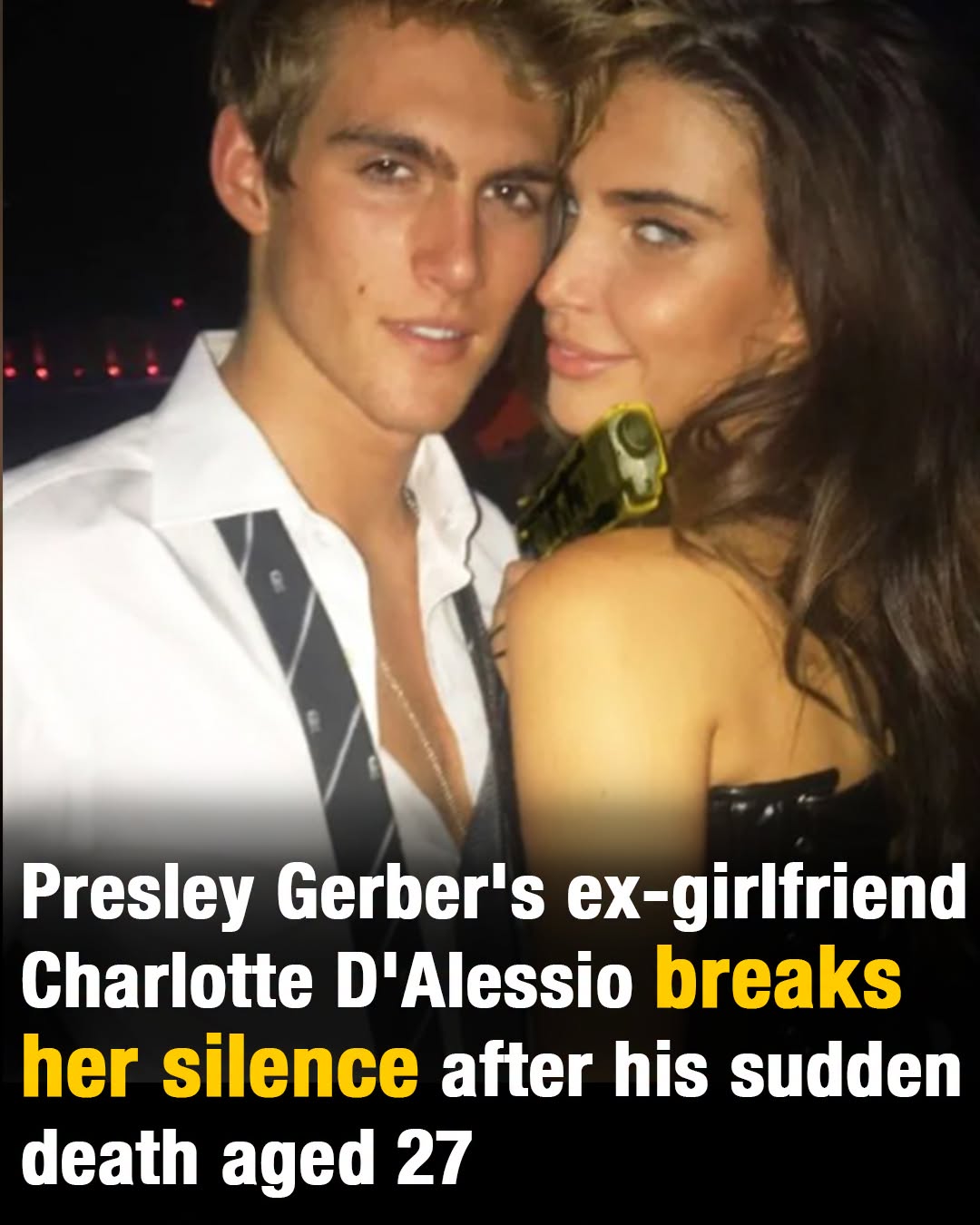
  • Presley Gerber’s ex-girlfriend Charlotte D’Alessio breaks silence after his death age 27

    Presley Gerber’s ex-girlfriend Charlotte D’Alessio breaks silence after his death age 27

    Presley Gerber’s ex-girlfriend Charlotte D’Alessio has shared a broken but heartfelt message following his death at 27.

    Charlotte D’Alessio dated Presley Gerber for two years from 2018. The 28-year-old Canadian has now shared a heartfelt tribute to her ex-partner on her Instagram Story after news of his sudden death broke.

    She shared photos from their time together along with some emotional and sweet words.

    “Shared a pure love with you & for that I thank & honor your life. You deserved more time. You deserved more life. Very angry ab this,” she wrote.

    Love you Pres. always. Up there, down here. don’t ever doubt that. we all love you so much. I hope you can feel it.”

    Along with a video of Presley playing with a dog she added:

    I will always remember you this way.”

    What’s known so far about the 27-year-old’s death

    Presley died at a Los Angeles rehab facility on Sunday, 9:45 a.m. local time.

    The LA County Medical Examiner said Monday that the case remains in its early stages, the Santa Monica Police Department handling the investigation.

    A deputy examiner performed an initial examination, but the cause and manner of death have been deferred pending further testing. This may take several months.

    “The County of Los Angeles Department of Medical Examiner (DME) is in the early stages of investigating the death of 27-year-old model Presley Gerber and limited information is currently available,” the office said in a statement.

    “A deputy medical examiner performed an examination today and the cause and manner of death have been deferred, which means additional testing and/or studies were requested in order to make a determination… Deferred cases can take a few months before a cause of death is determined.”

    Presley spoke candidly about his struggles and wanted to help others

    Presley was the son of supermodel Cindy Crawford and businessman Rande Gerber and brother of actress and model Kaia Gerber. He followed his mother’s footsteps into modeling.

    Gerber spoke candidly in the past about his struggles with mental health and addiction.

    Speaking on the Studio 22 Podcast in 2023, he reflected on wanting to help others going through similar experiences.

    “Having struggled with mental health, depression and some other things that come along with that, I think that whether I help one person or a hundred people get out of that place that I was in at one point in my life, that’s all I need to do,” he said.

    Mental health is an issue. It is such a big part of my life. It’s a 24/7 job, and there’s so much to it. That’s really what I want to do: help people, whether you’re depressed, you’re struggling with something that is having a negative effect on your body. I mean it could be anything, and there’s no judgment.”

    His family has asked for privacy during “this very difficult and painful time.

  • BREAKING NEWS : Serious INCIDENT between bus and… See more

    BREAKING NEWS : Serious INCIDENT between bus and… See more

    Long before the tow trucks arrive and the glass is swept from the asphalt, the real weight of a crash like this settles on everyone who stands and stares, realizing how thin the line is between an ordinary drive and disaster. Investigators will measure skid marks, interview shaken witnesses, and search for a single moment—a distraction, a failure, a wrong decision—that turned a routine trip into a catastrophe.

    Yet beyond the diagrams and reports, there are quieter truths. A bus driver who will never see the road the same way again. Families waiting in hospital corridors. Neighbors who now slow down on that same rural curve, remembering the crushed sedan under the towering bus. Out of twisted metal and sirens comes a fragile resolve: maintain the machines, respect the speed, leave more space, look twice. Because on highways like these, every small act of caution can be the one that keeps a story from ending in wreckage.

  • My Daughter Passed Away Giving Birth, and I Raised Her Son Alone – 10 Years Later, a Strange Woman at Her Grave Said, ‘

    For ten years, I raised my grandson believing his father had simply walked away.

    Then one afternoon, a woman from my daughter’s past appeared beside her grave holding a sealed envelope.

    What she told me forced me to question everything I thought I knew about my daughter’s final months.

    And what I eventually uncovered didn’t just change the way I remembered Teagan.

    It changed the future I had built for her son.

    “I made your daughter a promise,” the woman said.

    “Now it’s time you knew the truth.”

    She held out an envelope.

    My name was written across the front.

    Where did you get that?”

    “She gave it to me.”

    “When?”

    “The day Lucas was born.”

    My fingers tightened around the flowers I was carrying.

    “You’ve had a letter from my daughter for ten years?”

    The woman lowered her eyes.

    “Yes.”

    Before I could answer, I heard Lucas calling from the bottom of the hill.

    “Grandma! I found it!”

    He was running toward us from the car, waving the birthday card he had made for his mother.

    The woman looked at him.

    “Don’t open that envelope in front of him.”

    I stared at her.

    “Who are you?”

    “My name is Trudy.”

    “That tells me nothing.”

    She took a breath.

    “I was one of Teagan’s nurses.”

    My stomach dropped.

    Lucas was almost beside us now.

    Trudy pressed the envelope into my hand.

    “My number is on the back.”

    Then she walked away.

    Teagan had been eighteen when she told me she was pregnant.

    I asked about the father more times than I could count.

    “Does he know?”

    “Mom, please.”

    “What’s his name?”
    “I can handle this myself.”

    “You shouldn’t have to.”

    “Please stop making this harder.”

    Every conversation ended the same way.

    The day Lucas was born, a doctor entered the waiting room and sat beside me.

    “I’m so sorry,” he said. “We did everything we could.”

    I stared at him.

    “The baby?”

    “He’s alive.”

    Then he paused.

    “He’s going to need you.”

    My daughter never came home.

    My grandson did.

    For the next ten years, it was just the two of us.

    Lucas grew into a curious, sweet boy who loved baseball, Sunday pancakes, and one question I could never answer.

    “Grandma, who was my dad?”

    “I don’t know.”

    And now I had a letter from Teagan in my coat pocket.

    For the first time, I was afraid that the truth might be worse than not knowing.

    When we got home, I slipped the envelope into a kitchen drawer.

    Lucas dropped his backpack beside the table.

    “Who was that woman?”

    “Someone who knew your mom.”

    His face immediately brightened.

    “Really? What did she say?”

    “Not much.”

    “Did she know my dad?”

    I closed the drawer too quickly.

    “I don’t know.”

    Lucas watched me.

    “You always say that.”

    “Because there are things I genuinely don’t know, sweetheart.”

    He went quiet.

    That was something Teagan used to do too.

    I hated seeing it in him.

    After Lucas went to bed, I stood alone in the kitchen holding the envelope.

    Then I finally opened it.

    A photograph slipped onto the counter.

    Teagan was standing beside a teenage boy.

    I recognized him.

    Quiet.

    Polite.

    He had been inside our house twice while Teagan was pregnant.

    I barely remembered speaking to him.

    A worn baseball glove was tucked beneath his arm.

    Then I unfolded the letter.

    Mom,

    I know you think I won’t tell you because I don’t trust you.

    That isn’t why.

    He knows about the baby.

    I stopped.

    My hands began shaking.

    Teagan continued.

    He wanted to stay. But wanting something and being ready for it aren’t the same thing.

    His family keeps telling him this will ruin everything he planned.

    I told him not to come back because he’s afraid of disappointing them.

    If he comes back, I need it to be because he chooses us himself.

    Then I reached the line that broke something open inside me.

    You kept asking who he was, but you never asked why I was scared.

    I lowered the letter.

    A memory came rushing back.

    One night during her pregnancy, Teagan had walked into the kitchen.

    “Mom, can I ask you something?”

    I had been tired.

    I didn’t even look up.

    “If this is about avoiding the father question again, I can’t do this tonight, Tee.”

    She stood there for several seconds.

    Then she quietly said,

    “Never mind.”

    For ten years, I remembered that moment as my daughter shutting me out.

    Now I wondered if I had been the one who closed the door.

    I called Trudy.

    She answered on the fourth ring.

    “You kept this for ten years.”

    “I know.”

    “Don’t say that like it makes sense.”

    She went quiet.

    “Meet me,” I said.

    The next day, Trudy was waiting in the back booth of a small diner.
    I placed the photograph between us.

    “You took care of Teagan?”

    “For part of that day.”

    “Then why did she give you this letter?”

    “She was scared,” Trudy said. “She didn’t think she was going to die, Elizabeth. She was eighteen and about to have a baby.”

    That mattered.

    Teagan hadn’t written the letter because she knew she was leaving us.

    She had simply been frightened.

    Trudy continued.

    “She told me that if something went wrong and the boy didn’t come, I should give the letter to you.”

    I pointed to the photograph.

    “Is that him?”

    “I don’t know his name.”

    “Then what do you know?”

    Trudy swallowed.

    “He came.”

    I froze.

    “What?”

    “After Teagan died, I saw a young man near the maternity floor asking for her.”

    “You spoke to him?”

    “No. At first, I didn’t realize who he was. Then I looked at him carefully and remembered Teagan’s description.”

    My pulse quickened.

    “What happened?”

    “He saw you.”

    “Doing what?”

    “Leaving with Lucas.”

    “And?”

    “He left.”

    I stared at her.

    “You watched him walk away?”

    “Yes.”

    “And then you kept my daughter’s letter?”

    Tears filled Trudy’s eyes.

    “I told myself you already had enough grief.”

    “You made that decision for me.”

    “Yes.”

    “You made it for Lucas too.”

    “Yes.”

    My anger became cold.

    “So why now?”

    Trudy looked down.

    “I retired a few months ago. Once I stopped telling myself I was still protecting a patient, I had to admit I was really protecting myself.”

    I stood.

    “Ten years is a long time to hide behind one bad decision.”

    Then I walked out.

    The following afternoon, I opened a storage box filled with Teagan’s things.

    School programs.

    Photos.

    A cheap silver bracelet she wore almost every day.

    Then I found another photograph of the same boy.

    Same face.

    Same baseball glove.

    Beneath it was a torn notebook page.

    Buy diapers.

    Finish thank-you cards.

    Ask Mom about night classes.

    Tell Mom.

    I stared at the final words.

    Tell Mom.

    She had planned to tell me.

    She thought there would be time.

    “Grandma?”

    Lucas stood in the doorway.

    He saw the open box and sat beside me.

    “Is that Mom’s stuff?”

    “Yes.”

    I gave him an old school photo.

    He smiled.

    “I look like her.”

    “You have her eyebrows.”

    “And her nose?”

    “And her nose.”

    Then he noticed the boy’s picture.

    “Who’s that?”

    “Nobody.”

    The answer came too quickly.

    Lucas frowned.

    “Then why did Mom keep his picture?”
    I said nothing.

    He looked at me.

    “That lady told you something, didn’t she?”

    “Yes.”

    “About my dad?”

    “I’m trying to understand everything first. Once I do, I’ll tell you.”

    Lucas stared at me.

    “You always tell me not to hide things because I’m scared.”

    “I know.”

    “So are you hiding something?”

    “Yes.”

    His honesty deserved mine.

    “I need a little time. But I won’t leave you wondering forever.”

    He nodded.

    Not happily.

    But he nodded.

    And now I had no excuse not to find the truth.

    An old school program gave me the boy’s first name.

    After several wrong profiles, I finally found him online.

    I sent one message.

    My name is Elizabeth. I’m Teagan’s mother. I need to speak with you.

    Two hours later, he replied with one word.

    Lucas?

    He knew the name.

    We met the following morning.

    He was already sitting at a café table, slowly turning his coffee cup in small circles.

    Exactly the way he had done at my kitchen table ten years earlier.

    “You knew Lucas’s name.”

    “Teagan told me.”

    “Then you knew about him.”

    “Yes.”

    “Why didn’t you come?”

    He looked at me.

    “I did.”

    I froze.

    “I came to the hospital.”

    Trudy’s words rushed through my mind.

    “You were there?”

    He nodded.

    “My parents wanted me to stay away. They believed a baby would ruin my future.”

    “And what did you believe?”

    “I was scared. I loved Teagan, but I let everyone else tell me what my life should look like.”

    “That explains being eighteen,” I said.

    “It doesn’t explain ten years.”

    He looked down.

    “Teagan told me not to come back until I was willing to choose for myself.”

    “And?”

    “I finally did.”

    “After she died.”

    “I didn’t know she was gone when I left home that day.”

    “But you found out at the hospital.”

    “Yes.”

    “And you saw me carrying Lucas.”

    He wiped his face.

    “I panicked.”

    “What about the next day?”

    Silence.

    “The next week?”

    Nothing.

    “The next year?”

    His eyes dropped.

    “You weren’t eighteen for ten years,” I said.

    “I know.”

    “I kept telling myself I had waited too long. Every year made that excuse easier.”

    I believed him.

    That didn’t excuse him.

    “Does Lucas know about me?” he asked.

    “He knows his father exists.”

    “Can I see him?”

    “No.”

    His head lifted.

    “I’m his father.”

    “You are the man who fathered him. What happens next depends on what you choose to do now.”

    He swallowed.

    “What do you want me to do?”

    “Write him a letter.”

    “A letter?”

    “Tell him who you are. Tell him why you weren’t there. And tell him why you’re here now.”

    He nodded.

    “And don’t blame Teagan.”

    “I won’t.”

    “You don’t get credit for finally showing up ten years late,” I said. “But you do get a chance to decide what kind of man you’re going to be from this point forward.”

    Two days later, an envelope appeared on my porch.

    Lucas’s name was written across the front.

    I hated opening something addressed to him.

    But Lucas was ten, and I was still responsible for protecting him.

    One sentence stayed with me.

    I was scared when I was eighteen, but being scared doesn’t explain ten years.

    He asked for no forgiveness.

    He blamed no one.

    Before I gave the letter to Lucas, I called Trudy again.

    “Can we meet?”

    She sounded surprised.

    “I thought you’d never want to see me again.”

    “I didn’t say I forgave you.”

    “I understand.”

    “There’s something else I need.”

    We met the next afternoon.

    This time, I wasn’t there to discuss Lucas’s father.

    I was there for my daughter.

    “Was Teagan scared?”

    Trudy’s expression softened.

    “Yes.”

    “Was she alone?”

    “No. There were people with her the entire time.”

    The answer hit me harder than I expected.

    “Did she ask for me?”

    “Yes.”

    My throat tightened.

    “Did she think I had left?”

    “No. She knew you were waiting nearby.”

    “What did she say?”

    Trudy thought for a moment.

    “She was worried she hadn’t bought enough diapers.”

    I laughed through my tears.

    “That sounds exactly like her.”

    “Then she talked about you.”

    I looked up.

    “What did she say?”

    “She said you made pancakes too thick and refused to admit it.”

    A laugh escaped me.

    Even after ten years, Teagan could still embarrass me.

    Then Trudy said,

    “She wasn’t angry with you.”

    “She should have been. I spent so much time asking about Lucas’s father that I forgot to ask my own daughter what she was afraid of.”

    “Maybe,” Trudy said. “But that isn’t what she left me with.”

    I asked the question I had carried for a decade.

    “Did she know I loved her?”

    Trudy answered immediately.
    “Yes.”

    That was the first thing she had given me that didn’t feel like another wound.

    That evening, Lucas found the photograph on the kitchen table.

    “That’s him, isn’t it?”

    My first instinct was to hide it.

    Instead, I turned off the faucet, dried my hands, and sat across from him.

    “Yes.”

    “Did he know about me?”

    “Yes.”

    “Then why wasn’t he here?”

    “He was scared when he was young. He listened to his parents instead of making his own decision.”

    Lucas waited.

    “But later, he had choices of his own, and he still stayed away.”

    “Did Mom want him to stay?”

    “She wanted him to choose you for himself.”

    “Did he?”

    I forced myself not to soften the truth.

    “Not when he should have.”

    Lucas stared at the photo.

    “Do you hate him?”

    “I did before I knew who he was.”

    “And now?”

    “I understand him better.”

    I paused.

    “That isn’t the same thing as forgiving him.”

    Lucas nodded.

    “Do I have to meet him?”

    “No.”

    “But can I?”

    Every frightened part of me wanted to say not yet.

    For ten years, Lucas and I had been enough.

    What if letting this man into our lives changed everything?

    Then I remembered Teagan’s words.

    You never asked why I was scared.

    I wasn’t going to make Lucas pay for my fear.

    “Yes,” I said.

    Their first meeting took place at a public baseball field.

    Lucas chose it.

    His father was already there.

    In his hand was the same worn leather glove from the photograph.

    Lucas stopped when he saw it.

    “That’s the glove.”

    His father looked down.

    “Yeah.”

    “You kept it all this time?”

    “I kept more things than I had a right to.”

    Lucas stepped closer.

    “I’m Lucas.”

    Then he pointed toward the field.

    “Are you any good?”

    His father gave a nervous smile.

    “Not really.”

    “You owned a glove.”

    “Having a glove and being good are two completely different things.”

    Lucas smiled.

    They started throwing the ball.

    At first, it was awkward.

    One throw went too high.

    Lucas missed it.

    “Sorry,” his father said. “That one was my fault.”

    “I should’ve caught it.”

    “No. I threw it badly.”

    I stood several yards away.

    After a while, Lucas asked him something I couldn’t hear.

    His father crouched beside him.

    My body automatically moved one step forward.

    Then I stopped.

    Lucas looked at him.

    The man answered.

    I stayed where I was.

    One afternoon did not suddenly make him part of our family.

    The first week, he called once.

    The next week, twice.

    He never showed up without asking.

    He never demanded that Lucas call him Dad.

    And when Lucas didn’t feel like talking one evening, he accepted it.

    I watched everything.

    Not because I trusted him.

    Trust wasn’t something he earned simply by finally appearing.

    He would have to build it.

    Maybe I would too.

    Three weeks later, Lucas sat at the kitchen table eating Sunday pancakes.
    Too thick, as usual.

    “He wants to come to my game Saturday.”

    I set down the syrup.

    “Do you want him there?”

    Lucas nodded.

    “Yeah.”

    “Then he should come.”

    He studied me.

    “You won’t be mad?”

    “No.”

    “He’s still not my dad-dad.”

    “You don’t have to decide what to call him.”

    Lucas went back to his pancakes.

    I reached across the table and straightened his napkin out of habit.

    Then I looked at the syrup bottle.

    The crumbs.

    The plate sitting crooked beside his elbow.

    Normally, I would have fixed all of it.

    That morning, I left everything exactly where it was.

    Because for ten years, I had believed protecting Lucas meant controlling every uncertain thing around him.

    Now I understood something Teagan had tried to tell me long ago.

    Sometimes loving someone means asking what they’re afraid of.

    Sometimes it means telling the truth even when the truth is uncomfortable.

    And sometimes it means giving someone the space to choose what happens next.

  • 60-Year-Old Man Goes Viral After He..SEE MORE

    A touching video showing a 60-year-old man helping a woman who was reportedly experiencing homelessness has captured widespread attention online. The brief nighttime clip has been shared across social media, with many viewers praising the stranger for stopping when others might have continued driving.

    In the footage, the woman appears to be lying on pieces of cardboard near a busy road. Cars pass only a short distance away as the older man approaches her carefully and checks whether she is responsive. He then bends down and attempts to help her move from the pavement.


  • JUST IN : Nancy Guthrie, 84, mother of Savannah Guthrie, was found…

    JUST IN : Nancy Guthrie, 84, mother of Savannah Guthrie, was found…

    She had no fortune to divide, no empire to leave behind, only a lifetime of small, consistent acts of love. In those final days, as her body weakened, her presence seemed to grow stronger. She didn’t lecture or list her sacrifices. Instead, she offered a gentle insistence: say “thank you” more, say “I’m sorry” sooner, and never assume there will always be more time.

    Her parting message became a mirror for everyone who heard it. People saw the calls they hadn’t made, the grudges they still carried, the affection they felt but rarely voiced. What moved thousands wasn’t a dramatic twist, but the realization that an “ordinary” life of kindness can echo further than any achievement. Her legacy is now passed on in quiet phone calls, unexpected visits, and whispered apologies. In choosing gratitude over regret, she left her family — and the world — a map back to what matters most.


  • I Thought Mom Was Hiding Something From Me—Then Grandpa Revealed the Reason

    I Thought Mom Was Hiding Something From Me—Then Grandpa Revealed the Reason

    My mother had always told me the same thing whenever we visited my grandfather.

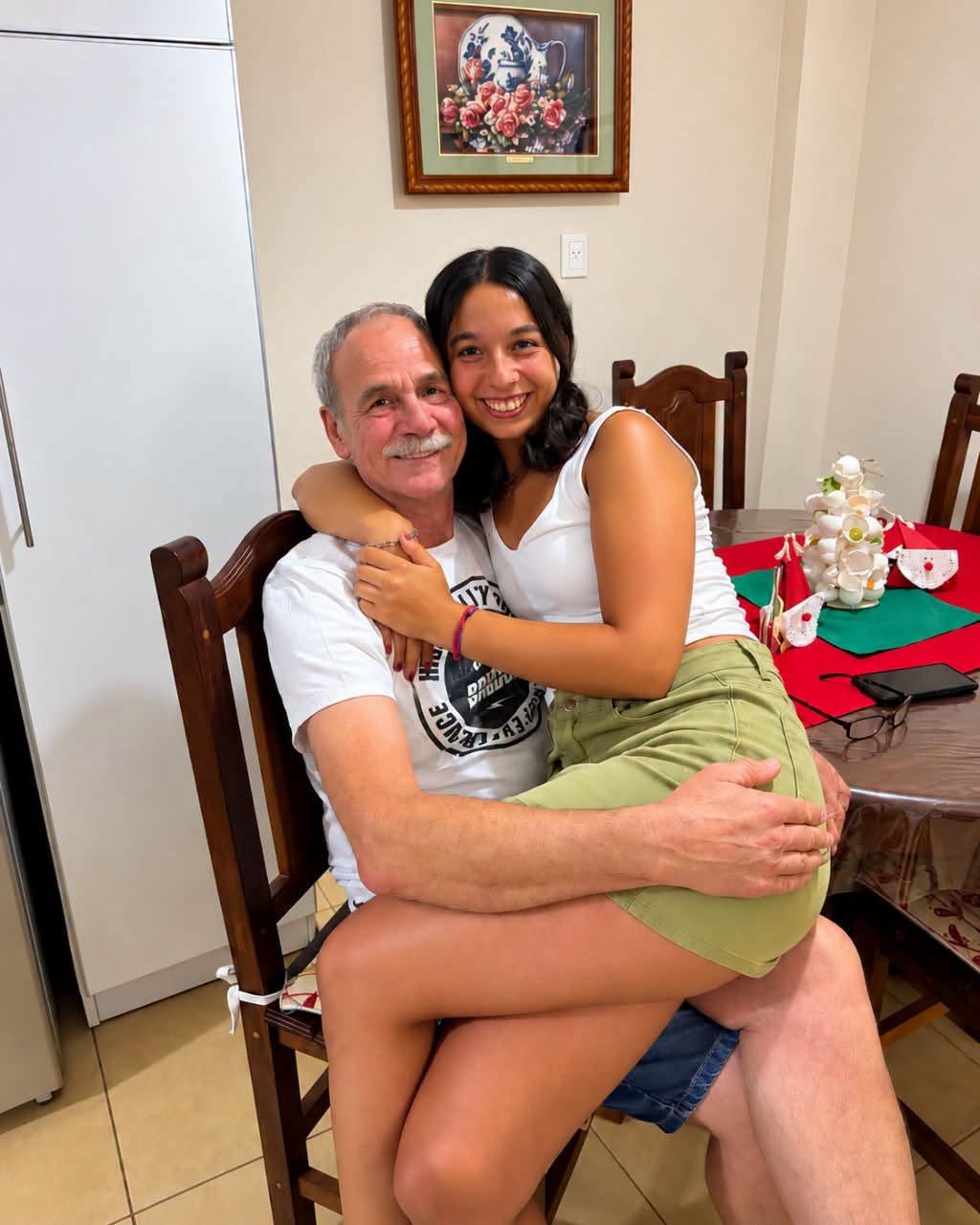
    “Lily, don’t sit on Grandpa’s lap.”

    I never understood why.

    Grandpa George had always been one of my favorite people. He kept chocolate in the refrigerator just for me, told funny stories about my mother when she was young, and always had time to listen to whatever I wanted to talk about.

    But as I got older, I noticed that Mom became unusually careful whenever I was around him.

    “Be gentle with Grandpa,” she would say.

    “Let him rest.”

    And sometimes, when I got too excited and ran toward him, she would quickly remind me to be careful.

    I assumed she was simply being protective.

    Then, one Sunday afternoon, I forgot all about her warning.

    Grandpa was sitting comfortably in his favorite armchair after lunch. I walked over and sat beside him, leaning against his shoulder.

    He smiled and looked at me.

    “Lily, do you remember something you promised me years ago?”

    I shook my head.

    He laughed softly.

    “Then I suppose we’ll have to wait until tonight.”

    I had no idea what he meant.

    When Mom came back into the room, she noticed us sitting together and immediately looked concerned.

    “What did Grandpa tell you?”

    “Nothing,” I answered.

    I wasn’t sure why I said it.

    But during the drive home, I finally told her.

    “Mom, Grandpa said we might do something tonight.”

    Her hands tightened around the steering wheel.

    “What did he say?”

    I explained what had happened.

    Mom became quiet.

    After a few moments, she pulled into a parking area and turned toward me.

    “Lily, did he say you were going somewhere with him tonight?”

    I nodded.

    She took a deep breath.

    “No matter what happens, you’re staying with me.”

    Her reaction confused me.

    When we got home, Mom called my aunt. I could hear her speaking quietly in the other room.

    “He mentioned tonight…”

    There was a long pause.

    Then Mom said:

    “I knew this would come up eventually.”

    I didn’t understand any of it.

    Later that evening, the doorbell rang.

    It was Grandpa.

    Mom opened the door and spoke with him for several minutes. I couldn’t hear everything, but I could tell they were discussing something important.

    Finally, Grandpa looked toward me and smiled.

    “Lily, would you like to come with us?”

    Mom hesitated.

    Then she nodded.

    We drove to Grandpa’s house together.

    Instead of going inside his bedroom, Grandpa led us toward a small enclosed porch at the back of the house.

    There were two comfortable mattresses on the floor. Beside the window stood an old telescope.

    I stared at it.

    “What is that doing here?”

    Grandpa smiled.

    “Don’t you remember?”

    I shook my head.

    He pointed toward the telescope.

    “When you were five, you told me that one day you wanted to stay up all night with me and watch the stars.”

    Suddenly, a tiny memory came back.

    I had been sitting in Grandpa’s garden years earlier, looking up at the night sky. I had told him that I wanted to see a shooting star.

    Grandpa had promised that someday we would watch one together.

    I had completely forgotten.

    He hadn’t.

    Mom sat quietly on the other mattress.

    “Why didn’t you tell me about this?” I asked.

    She smiled sadly.

    “Because I didn’t want you worrying about Grandpa.”

    That was when I finally learned the truth.

    Grandpa had been scheduled for a major heart operation the following morning. He had also been recovering from a leg procedure, which was why Mom had become so protective whenever I tried to climb onto his lap or play too roughly with him.

    She hadn’t been keeping a secret because something was wrong between them.

    She had simply been trying to protect me from worrying about someone I loved.

    Grandpa looked at me.

    “I didn’t want to go to the hospital without keeping my promise.”

    Outside, the sky was perfectly clear.

    The telescope had been carefully positioned near the window.

    For months, Grandpa had been preparing for that evening because a meteor shower was expected.

    Around midnight, we turned off the lights and looked toward the sky.

    For a while, nothing happened.

    Then suddenly, a bright streak crossed the darkness.

    “There!” I shouted.

    Grandpa laughed.

    “I saw it.”

    A few minutes later, another streak appeared.

    Then another.

    I looked at Grandpa and realized how much effort he had put into making that moment special.

    Mom sat beside us, smiling quietly.

    At one point, she rested her head against Grandpa’s shoulder.

    That’s when I finally understood why she had been acting differently for so long.

    She wasn’t afraid of him.

    She was afraid of losing her father.

    The next morning, Grandpa went to the hospital for his operation.

    Mom and I waited together.

    The hours seemed endless.

    Finally, the doctor came into the waiting room with a smile.

    “The operation went well.”

    Mom immediately covered her face with her hands and began to cry with relief.

    I hugged her tightly.

    Several days later, Grandpa came home.

    He was tired and needed plenty of rest, but he was already asking about the telescope.

    “Did you see any more shooting stars without me?” he asked.

    I laughed.

    “No. We were waiting for you.”

    Years passed.

    I grew up, went to college, started my own career, and eventually moved into a home of my own.

    Grandpa grew older too.

    But we never forgot that night.

    Every year, whenever the skies were clear, we brought the old telescope onto the porch.

    Sometimes we saw several shooting stars.

    Sometimes we saw none at all.

    But that never really mattered.

    The important part was that we were together.

    Even many years later, Grandpa would smile and ask the same question:

    “So, Lily, are you staying up with me tonight?”

    And from inside the house, Mom would call out:

    “Just remember to let him get some sleep, George!”

    We would all laugh.

    The old telescope still sits by the window.

    It has become a reminder that some of the most meaningful moments in life aren’t the grand celebrations or expensive gifts.

    Sometimes, they are simply quiet nights spent together with the people we love.

    And sometimes, a promise made to a five-year-old can become a memory that lasts a lifetime.

  • A Community in Mourning: Remembering Her, Seekin

    A Community in Mourning: Remembering Her, Seekin

    People gathered at her doorstep long after the sirens stopped screaming.

    The air smelled like fear, flowers, and something no one wanted to name.

    Strangers wept as if they’d known her forever. Neighbors clung to each other, ashamed they were meeting like this, asking the same raw question: Why her?

    They kept coming—days, then weeks after the funeral—drawn not to the crime, but to the echo of the life it stole.

    Her name moved from hushed doorways to city council meetings, from handwritten notes on posterboard to official agendas and policy drafts.

    What began as a single doorstep vigil became a map of quiet transformations: a hospital entrance softened by candlelight, a coffee shop turned sanctuary, a neighborhood group chat evolving into a rapid-response network for anyone walking home alone.

    Her family never stopped breaking a little each day, but they watched something unexpected rise from the fracture. Young nurses applied for the scholarship that bore her name.

    Children learned to plant sunflowers in a corner lot once known for sirens. Men who had never cried in public now spoke openly about fear and responsibility.

    They could not rewrite that night, but they could insist, again and again, that her story would be measured not only by how she died, but by how fiercely they chose to live in her name.

  • These are the effects of sleeping with your c… See more. ͏

    These are the effects of sleeping with your c… See more. ͏

    Notifications are WRECKING your sleep, and you don’t even see it coming.

    What feels like a harmless scroll before bed is secretly rewiring your brain, draining your energy, and hijacking your mood.

    Night after night, your phone is stealing the deep rest your body is begging for.

    What starts as a cozy ritual—holding your phone as you drift off—slowly becomes a trap.

    Your brain, conditioned by endless scrolling and sudden alerts, forgets how to fully unwind.

    Instead of sinking into deep, healing sleep, you hover in a restless state, waking up drained and blaming everything except the glowing screen inches from your pillow.

    The cost shows up in the morning: heavy eyes, short temper, foggy focus.

    Over time, that invisible sleep debt spreads into every corner of your life.

    Your memory slips, motivation fades, and small problems feel overwhelming. Your immune system weakens, your appetite shifts, and your mood swings more easily.

    Yet the solution is deceptively simple: create distance.

    Plug your phone in across the room, or outside the bedroom. Within days, you may notice calmer evenings, deeper sleep, and a mind that finally remembers how to rest.

  • My Brother Took This Photo Only 21 km from

    My Brother Took This Photo Only 21 km from

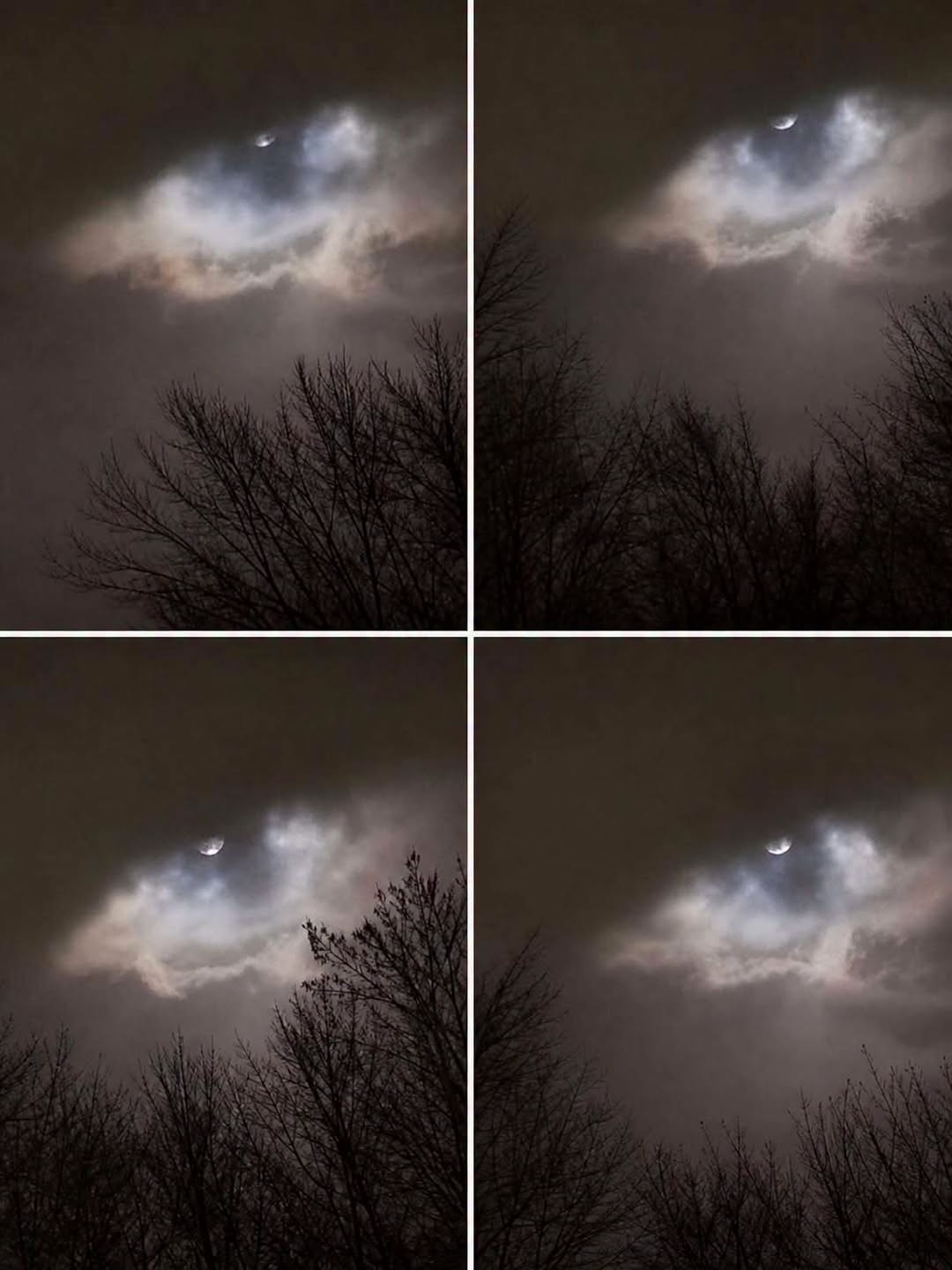
    A ghostly figure appears in the clouds.

    People swear they see a statue, an angel, a sign.

    Some call it a miracle. Others whisper hoax.

    But the real story is stranger—and far more human. This isn’t just about weather.

    What that eerie “statue in the clouds” reveals is not a tear in reality, but a mirror held up to the human mind.

    Our brains are built to grab at patterns: a face in a cloud, a figure in the mist, a warning in the bushes that once meant life or death.

    Pareidolia isn’t a glitch; it’s an ancient survival feature that now turns weather into visions and light into symbols.

    The photograph near the Tyrrhenian Sea captured one of those vanishing instants when cloud, sun, distance, and landscape briefly aligned into a familiar silhouette.

    No digital tricks are needed for it to feel sacred or unsettling. Two viewers can look at the same shape and see a saint, a storm, or nothing at all—and that quiet disagreement is the point.

    The image matters less as evidence of the supernatural than as proof of something just as powerful: our need to find meaning, to share wonder, and to turn a passing cloud into a story worth telling.