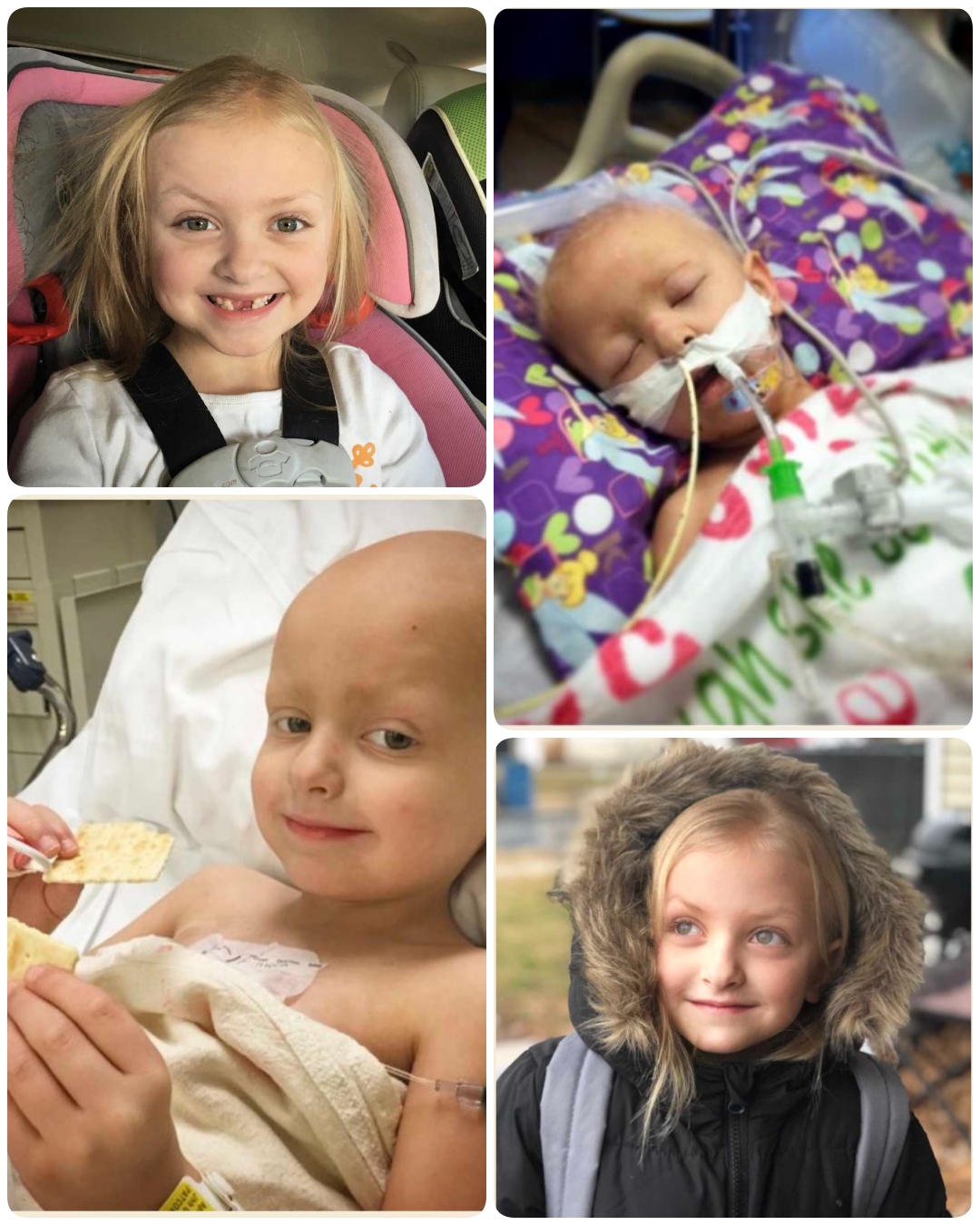
In the spring of 2015, I sat in the sterile hospital room, holding my young daughter’s fragile hand, my heart breaking with every breath she took. I knew, deep down, that she was facing a battle most adults would never endure. The fight that lay ahead for my beautiful girl was unimaginable—pain, suffering, loss, and heartbreak in a way that no child should ever experience.
She had cancer. Not just any cancer, but a rare and aggressive form that would force her to lose so much more than her health. It would take away her innocence, her childhood, and her hair. But it would never take away her spirit.
Her tumor was located in the middle of her back, between two ribs, dangerously close to her spine. Treatment started almost immediately. The first few months were a blur of hospital visits, tests, surgeries, and endless tears.
The chemotherapy was grueling—seventeen rounds over the course of a year. Each round left her weaker, more fragile, and yet somehow, she continued to fight. Her beautiful blonde curls slowly fell out, replaced by a scalp that felt so fragile to the touch. Her once-strong muscles wasted away, leaving her small and frail.
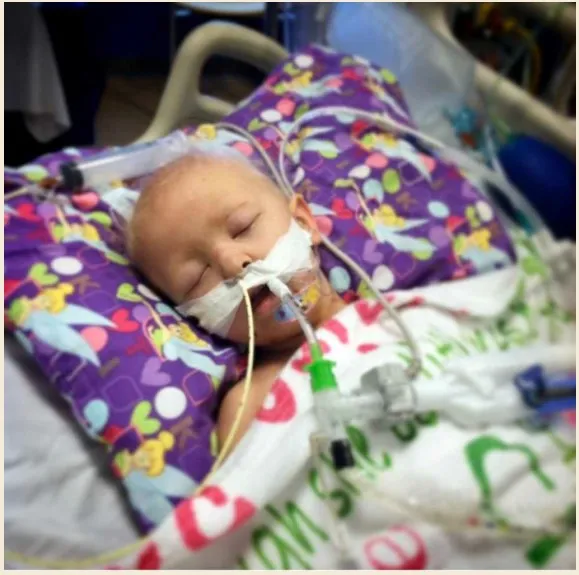
I watched my child endure surgeries that no child should ever have to face. Four ribs were removed, part of her spinal sheath was taken out, and a spinal fusion followed—all part of the brutal process to save her life. The toll on her body was immense. Yet, through every tear, every round of chemotherapy, and every painful recovery, she never lost her spark. She never gave up.
Finally, after what felt like an eternity of pain and suffering, we received the news we had all been waiting for. Remission. My little girl was in remission. I could finally take my five-year-old daughter home, though she was not the same as the one I had brought to the hospital. She was frail, pale, and bald, her tiny body covered in scars from the battles she had fought. But she was alive, and that was all that mattered.
That was three years ago.
Today, if you met my daughter, you would see a completely different child. While still small for her age, she is strong, healthy, and full of life. Her vibrant personality shines through every moment, and her energy is infectious. She has a beautiful head of hair again, although it’s darker than the blonde curls she once had. Her muscles have returned, and she is now a talented competitive dancer, moving gracefully across the stage with the same determination that helped her fight cancer. She’s an honor roll student, excelling academically, and has developed a love for life that is nothing short of inspiring
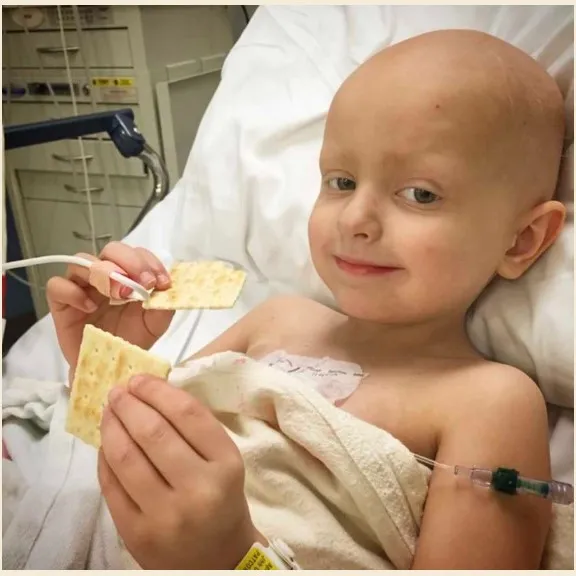
But even with all the healing and growth, there are moments that remind me of the scars that will never fully fade. The emotional scars, the memories of the pain, the constant worry, and the knowledge that not all children are as lucky as she has been. Every so often, my daughter will have a moment where the weight of it all bears down on her. She knows that she is still here, alive, while so many other children she met during her fight are not.
A few weeks ago, something happened that shook me to my core. It was a rushed morning, as most mornings are when you have a busy family. I asked my daughter to throw on a shirt and get dressed quickly, as we were running late. She quietly asked for a different shirt. Not thinking much of it, I asked, “Why? You love that one, just put it on. We gotta go.”
Her response stopped me dead in my tracks. “A boy at camp… told me I shouldn’t wear shirts that show my scars. He said they’re scary.”
The words hit me harder than I could have imagined. My sweet girl, who had fought so hard to survive, who had overcome so many obstacles, was now facing something I had never anticipated: the weight of judgment from others. She had already survived the physical pain of cancer, the loneliness of being hospitalized for so long, the trauma of surgeries, and the emotional strain of losing so much of herself. But this? This was different. This was the judgment from someone who didn’t understand the strength it took for her to get where she was.
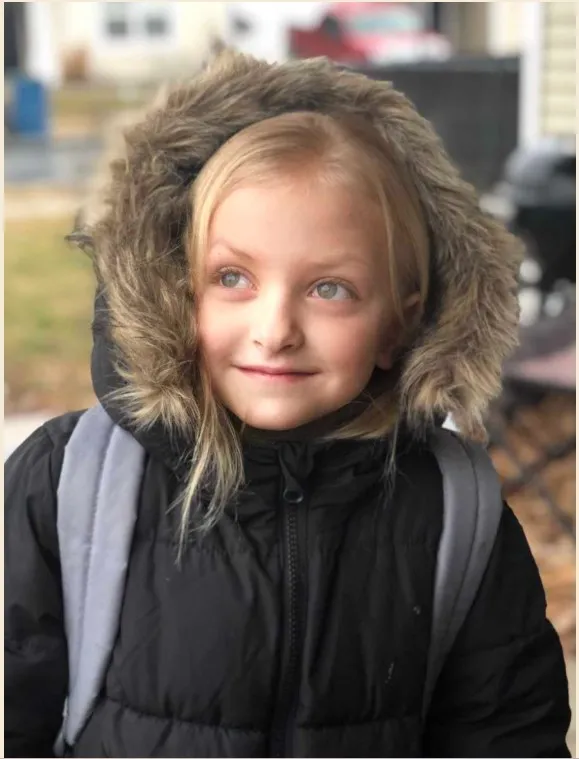
I took a deep breath, my heart aching for her. I knelt down, took her hands in mine, and said, “Sweetheart, your scars are not scary. They are beautiful. They are a part of who you are. They show how strong you are, how brave you are, and how much you’ve been through. You wear those scars with pride, because they represent your fight, your courage, and your strength. They don’t define you, but they are a testament to how far you’ve come.
I knew that this wouldn’t be the last time she faced judgment or misunderstanding. But what mattered most was that she knew she was loved, that she knew her worth was not determined by her scars, and that she would always have a family who saw the beauty in her—inside and out.
My daughter is an amazing overcomer. She has defied the odds in ways that leave me in awe every day. There are still tough moments, times when the weight of her past battles bears down on her, but those moments don’t define her. Her life, her future, and the joy she brings to those around her are what truly matter.
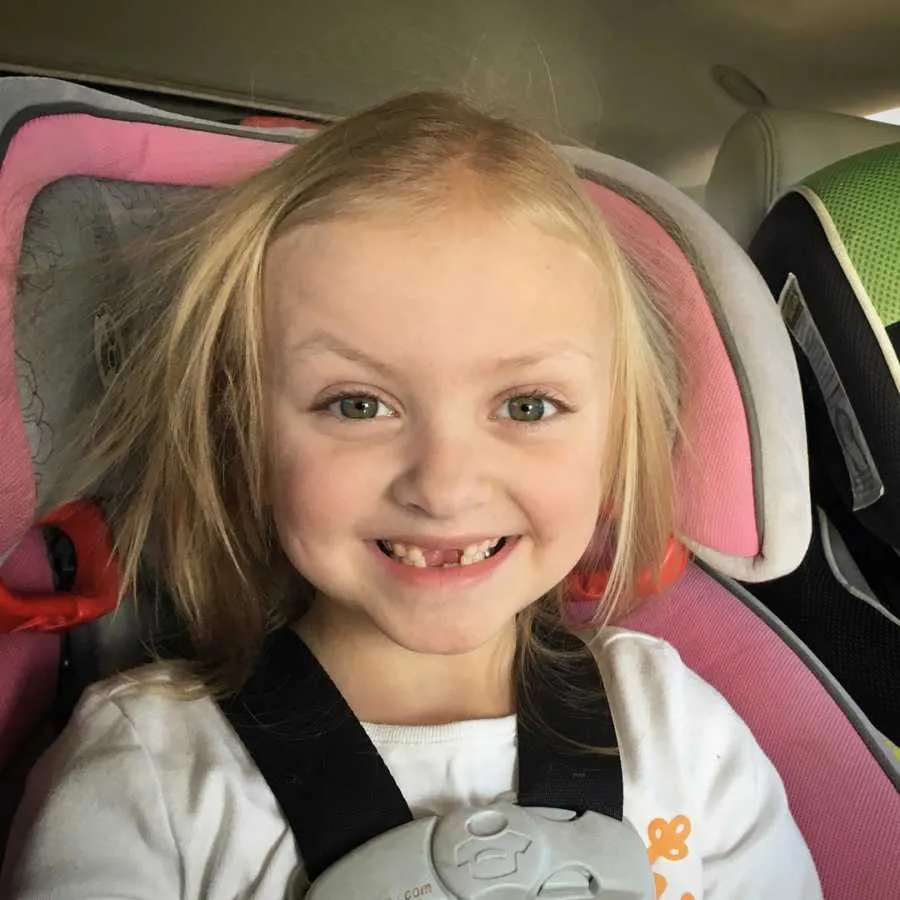
As a mother, I would have given anything to take away her pain, to shield her from the suffering she endured. But I also know that what she has gained through her struggles—the strength, resilience, and compassion she carries with her—is invaluable. She is a living testament to the power of love, hope, and determination.
So, as she continues to dance, to laugh, to excel in school, and to chase her dreams, I will always be here to remind her of how beautiful, strong, and brave she is—scars and all. Life may have thrown obstacles her way, but my daughter has proven time and time again that she is capable of overcoming anything. And I am beyond proud of the young woman she is becoming. The beauty she exudes, both inside and out, is a reflection of her incredible journey—a journey that has made her who she is today: an inspiration to us all.
From Glitter and Bike Rides to ICU Monitors: The Devastating Stroke That Changed Marnie Fletcher’s Life — And the Courage That Rebuilt It.T2301
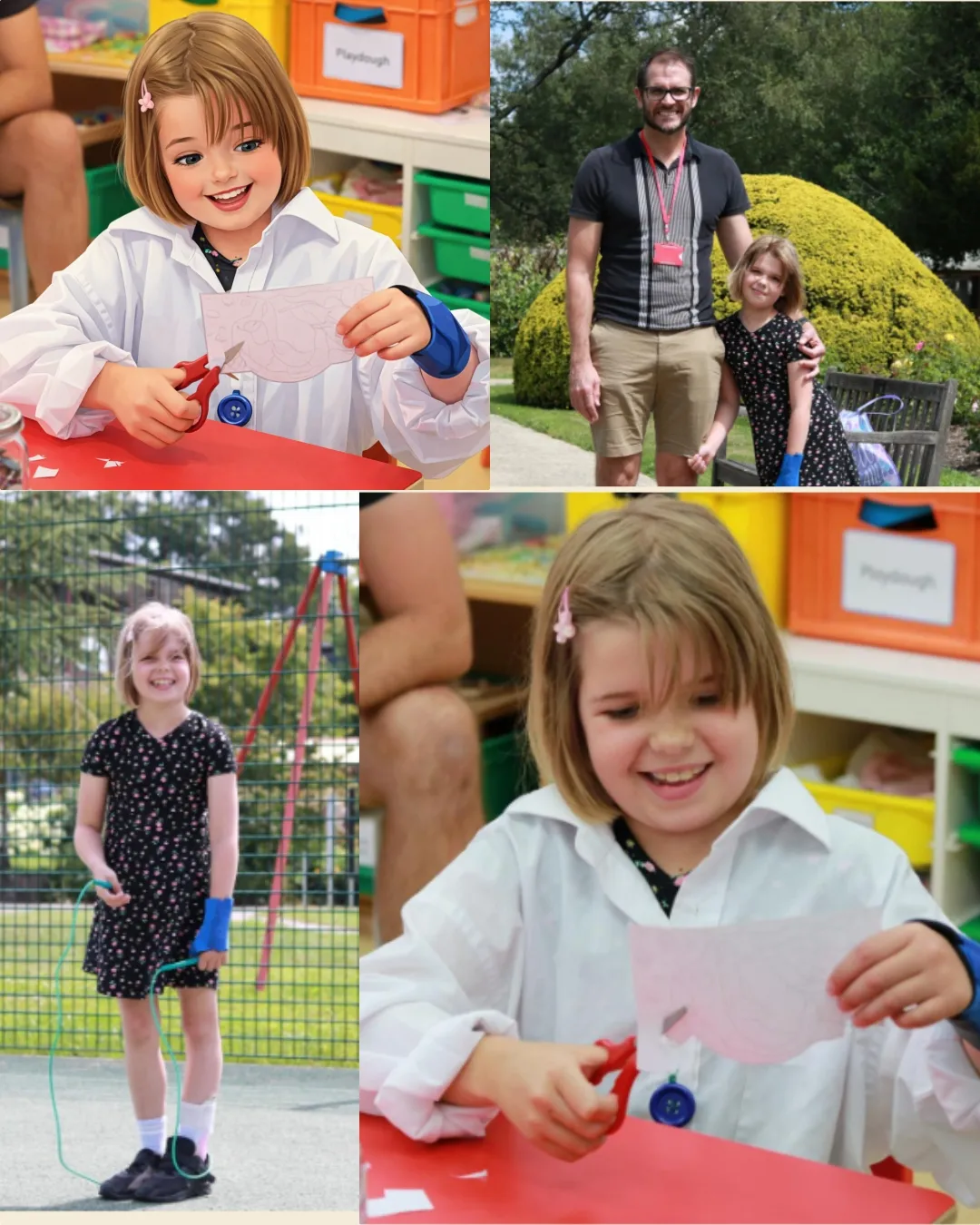
The summer before everything changed, eight-year-old Marnie Fletcher turned her family’s kitchen into a glitter-streaked laboratory of imagination.
She lived with her parents, Alexis and Gareth, and her younger sister in a lively home where craft paper clung to the table and homemade “magic potions” brewed in jam jars out in the garden.
Most mornings, the girls pedaled their bikes to school, racing each other down the pavement before gymnastics practice or cricket club filled their afternoons.
There was noise, there was mess, there was laughter.
There was no hint that a single night in August 2024 would redraw the map of their lives forever.
It began quietly, almost invisibly, the way disasters often do.
That evening had felt ordinary — bedtime stories, whispered giggles, the soft hum of a summer night drifting through open windows.
Alexis was downstairs when a scream split the house in two.
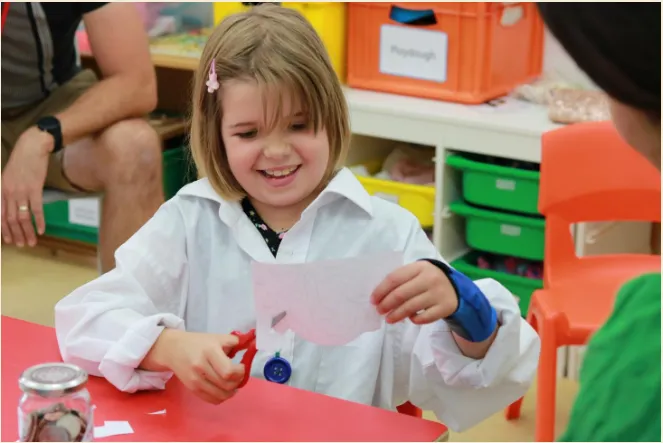
She ran toward the sound and found Marnie on the floor, her small body convulsing, her head striking the ground, vomit on her pajamas, unconscious.
In that instant, Alexis was no longer just a mother.
She was also a former emergency room nurse, and instinct overrode terror.
She rolled her daughter into the recovery position, called for an ambulance, and prayed with a desperation she had only ever witnessed in other families.
The paramedics arrived within minutes, followed by an air ambulance crew who took over lifesaving measures in the very room where hours earlier glitter had sparkled.
By midnight, Marnie was in a hospital scanner while her parents were gently ushered into a side room — the room no one ever wants to enter.
The words came quickly: hemorrhagic stroke.
Alexis had spent years in emergency medicine, had seen strokes steal speech and movement from grown adults.
She had never seen it happen to a child.
The shock was physical, like falling through ice.
In the days that followed, surgeons worked to relieve pressure in Marnie’s brain before transferring her for an eight-hour operation to stop the bleeding.
Machines breathed for her.
Monitors blinked.
Time stretched into something unbearable.
Gareth remembers the twelve hours they waited for her to wake.
He remembers staring at her still face and wondering which version of his daughter — if any — would open her eyes.
Would she speak again?
Would she walk?
Would she know them?
The fear was not loud.
It was suffocating.
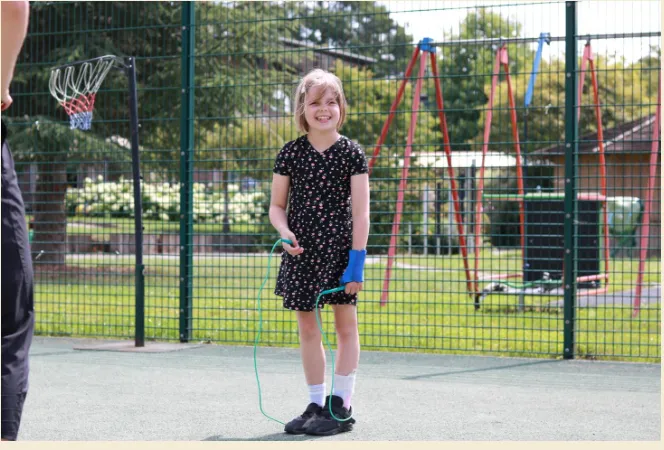
When Marnie finally stirred, it was with the faintest movement on her left side.
Days later, she whispered her first words.
Each syllable felt like a miracle delivered in fragments.
After a month in hospital, she returned home thinner, weaker, but alive.
September came, and with it the brave decision to let her try school again.
On the outside, it looked like resilience.
On the inside, the journey was only beginning.
Fatigue settled over her like a fog that would not lift.
Skills she had relearned in hospital began to slip.
Walking grew awkward.
Concentration fractured.
When the emergency ends, the real work often starts — and that realization hit Gareth with a weight he had not anticipated.
Three months after the stroke, the family found their way to The Children’s Trust, where Marnie began community-based neurorehabilitation.
Each week, she traveled for physiotherapy and occupational therapy tailored to children living with brain injury.
Goals were set gently but deliberately: strengthen her left hand, manage exhaustion, relearn how to button a shirt, hold scissors steady, skip with a rope.
Small milestones became mountains climbed.
Gareth turned the drive into ritual.
Music filled the car.
They read a children’s book about a young brain injury survivor while waiting for sessions to begin, and afterward they celebrated with chocolate mousse in the cafeteria.
What could have felt clinical became something almost sacred.
For Marnie, the center was not just a hospital.
It was a place where a sign outside declared that children like her belonged.
She would read the words aloud, pointing proudly, claiming it as hers.
That sense of belonging mattered more than anyone could measure.
The therapists understood not only muscle tone and neural pathways, but also childhood.
They helped her bend her knee properly when she walked.
They laughed with her when her stiff-legged stride resembled a pirate’s swagger.
They restored dignity through play.
Back at school, adjustments were made quietly.
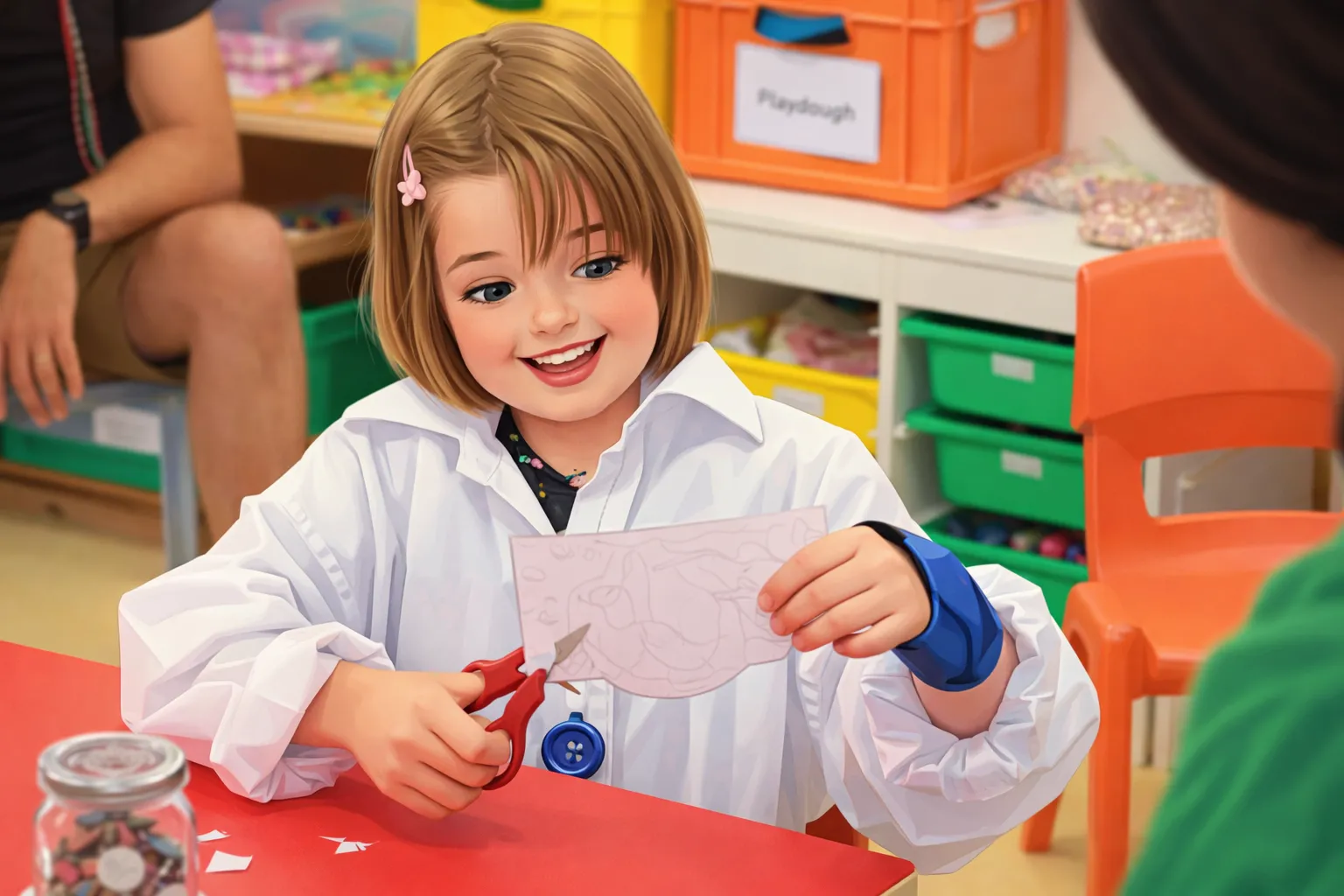
A calm corner in the classroom.
Noise-canceling headphones.
Teachers who understood that overwhelm can look like defiance when it is really neurological fatigue.
Reading became her refuge — pages offering steadiness when her body could not.
There were setbacks, of course.
Days when exhaustion won.
Moments when frustration spilled into tears because her left hand would not obey.
Grief threaded through progress, subtle but persistent.
A childhood interrupted leaves echoes.
And yet endurance took root in unexpected ways.
A tandem bicycle was gifted to the family, and suddenly the road back to school felt possible again.
Marnie rode behind her mother or father, laughing as the two wheels carried them forward together.
Eventually she pedaled on her own again, though she still loved the tandem for the attention it drew.
The town watched her pass — not as a patient, but as a girl reclaiming motion.
More than a year later, the Fletchers are still learning the language of brain injury.
Recovery is not linear.
Some abilities surge forward while others lag behind.
Acceptance comes in layers.
But hope no longer feels fragile.
It feels practiced.
Gareth calls his daughter the most resilient person he knows.
He has watched her confront fear without fully understanding its scale.
He has seen her body betray her and then, slowly, relearn loyalty.
Alexis carries both the clinical knowledge of what could have been and the maternal gratitude for what is.
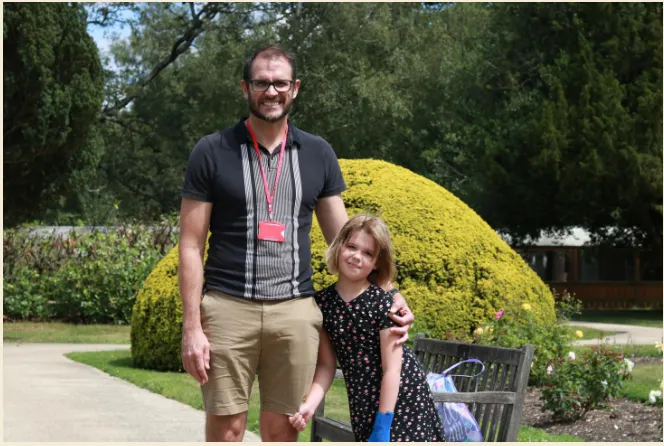
Their journey has been defined by pain, shaped by fear, interrupted by setbacks, strengthened by endurance, and illuminated by hope.
Marnie still leaves traces of creativity around the house.
There is glitter on the table again.
There are half-finished crafts and jars of imaginary potions lined up in the garden.
The difference now is that every ordinary mess feels extraordinary.
Every bike ride is deliberate.
Every word spoken clearly is treasured.
This is what survival looks like after a childhood stroke.
Not a single triumphant moment, but a thousand small, stubborn victories stitched together by family, community, and specialist care.
And somewhere between therapy sessions and school mornings, between pirate jokes and chocolate mousse, a little girl continues to prove that hope — when nurtured — can outgrow even the deepest wound.