Blog

  • Inside the last hours of Noelia Castillo Ramos

    Inside the last hours of Noelia Castillo Ramos

    Noelia Castillo Ramos’ story has shaken people around the world.

    The 25-year-old Spanish woman was euthanized on Thursday — and now, heartbreaking new details are emerging about her final moments.

    A 25-year-old woman whose life was shattered by repeated sexual assaults has died after choosing euthanasia — a decision that has sparked intense debate and heartbreak across Spain. Noelia Castillo Ramos, from Barcelona, had endured years of trauma, chronic pain, and legal battles before her final wish was granted.

    A life marked by trauma and pain

    Noelia’s story is as devastating as it is complex.

    She was sexually assaulted on two separate occasions — first by an ex-boyfriend, and later by three men while living in a state-run care facility in 2022.

    Just days after the second attack, she attempted to take her own life by jumping from a fifth-floor window.

    The fall left her paralyzed from the waist down.

    From that moment on, she lived with constant, severe pain — both physical and psychological — described as chronic, incapacitating, and with no chance of improvement.

    However, her struggles began long before that. After her parents separated, she entered psychiatric care at just 13 and was later diagnosed with borderline personality disorder and obsessive-compulsive disorder. Reports say she had a history of self-harm and suicide attempts.

    Noelia first applied for euthanasia more than a year ago, but the process was delayed by a lengthy legal battle — led by her own father, Geronimo Castillo.

    “My father saw me fall and couldn’t do anything. But after everything he’s done, I don’t feel sorry for him anymore,” she said in an interview with Y Ahora Sonsoles.

    “He hasn’t respected my decision and he never will.”

    Her request was eventually approved by a specialized committee in Catalonia in July 2024. But her father, backed by a conservative legal group, continued fighting the decision all the way to Spain’s highest courts — and even to the European Court of Human Rights.

    Each time, the rulings went in Noelia’s favor.

    I’ve finally done it”

    In her final days, Noelia made it clear she was ready.

    “I’ve finally done it,” she said.

    “Let’s see if I can finally rest because I can’t take this family anymore, the pain, everything that torments me from what I’ve been through.”

    Noelia had long been certain about her choice.

    Her final moments

    Her euthanasia was scheduled for Thursday evening — and carried out using three injections.

    The first induced deep sedation, the second deepened unconsciousness, and the third ultimately stopped her heart, according to The Mirror.

    The night before, her mother stayed with her at Sant Camil Hospital in Barcelona.
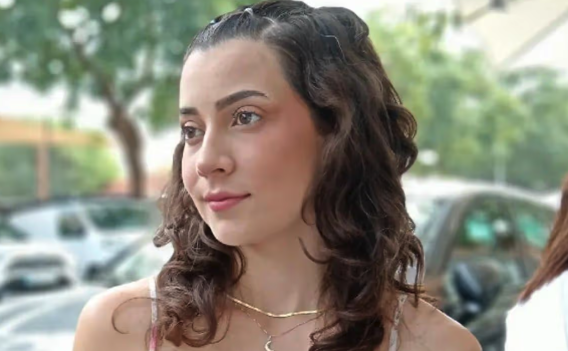
    Other family members, including her father, siblings, and grandmother, also came to say goodbye. Although the family was expected to step out and leave her alone with the doctor administering the injections around 5:30 p.m., they remained by her side for at least another half hour.

    The procedure itself is believed to have ultimately begun around 6:30 p.m. local time. According to reports, the procedure lasted only minutes.

    Noelia remained in the room only with the doctor during the final procedure.

    “I want to die looking beautiful”

    In a final interview, Noelia shared how she wanted her last moments to look — and feel.

    “I’ve told them how I want it to be. I want to die looking beautiful. I’ve always thought I want to die looking good. I’ll wear my prettiest dress and put on make-up; it will be something simple,” she said.

    She also chose to have four personal photos with her — reminders of happier times in a life filled with pain.

    A family divided

    Her decision left her family torn.

    “None of my family is in favour of euthanasia. But what about all the pain I’ve suffered during all these years,” Noelia said. “The happiness of a father, a mother, or a sister cannot be more important than the life of a daughter.”

    Her mother, Yolanda, struggled to accept it — but never left her side.

    “I am not in favor of euthanasia, of course I am not in favor, but I will always be by her side until the very last moment, as long as she allows me.”

    A debate far from over

    Spain legalized euthanasia in 2021 for people suffering from serious and incurable conditions — but cases like Noelia’s continue to divide public opinion. Compared to the U.S., active euthanasia is illegal in all 50 states.

    But assisted suicide is legal in several parts of the U.S., including Washington, D.C., and states like California, Colorado, Oregon, Vermont, Maine, New Jersey, Hawaii, Washington, New Mexico, Montana, and New York.

    To some, Noelia’s story is about dignity and the right to choose.

    To others, it raises troubling questions about vulnerability, mental health, and where the line should be drawn.

    But for Noelia, the decision was simple — and final:

    She wanted peace.
     

  • Six Years After One of My Twin Daughters Died, My Second One Came from Her First Day at School, Saying: ‘Pack One More Lunchbox for My Sister’

    Six Years After One of My Twin Daughters Died, My Second One Came from Her First Day at School, Saying: ‘Pack One More Lunchbox for My Sister’

    I thought I had lost one of my newborn twins forever. Six years later, my surviving daughter came home from her first day of school asking me to pack an extra lunch for her sister. What followed shattered everything I thought I knew about love, loss, and what it means to be a mother.

    There are moments you never recover from. Moments that cut so deep, you feel them in everything you do.

    For me, it happened six years ago, in a hospital room filled with the sound of beeping, shouted orders, and my own heartbeat in my ears. I went into labor with twins, Junie and Eliza.

    Except… only one made it out alive.

    They told me my baby didn’t make it. Complications, they said, as if that explained the empty space in my arms.

    I never even got to see her.

    We named her Eliza in whispers, a name carried like a secret between my husband, Michael, and me.

    But as the years dragged on, the grief changed us. Michael left, unable to live with my sadness, or maybe his own.

    So it became just the two of us: me and Junie, and the invisible shadow of the daughter I’d never known.

    ***

    The first day of first grade felt like a fresh start. Junie marched up the sidewalk, pigtails swinging, and I waved, praying she’d make friends.

    I spent the day cleaning, trying to scrub off my nerves.

    THE GRIEF CHANGED US.

    “Relax, Phoebe,” I said out loud. “June-bug’s going to be just fine.”

    That afternoon, I barely had time to set down the sponge before the front door slammed.

    Junie burst in, backpack half open, cheeks flushed.

    “Mom! Tomorrow you have to pack one more lunchbox!”

    I blinked, rinsing soap from my hands. “One more? Why, sweetheart? Did Mommy not pack enough?”

    She tossed her backpack onto the floor and rolled her eyes, like I should already know.

    “For my sister.”

    A jolt of confusion ran through me. “Your… sister? Honey, you know you’re my only girl.”

    “TOMORROW YOU HAVE TO PACK ONE MORE LUNCHBOX!”

    Junie shook her head stubbornly. For a moment, she looked just like Michael.

    “No, Mom. I’m not. I met my sister today. Her name’s Lizzy.”

    I fought to stay calm. “Lizzy, huh? Is she new at school?”

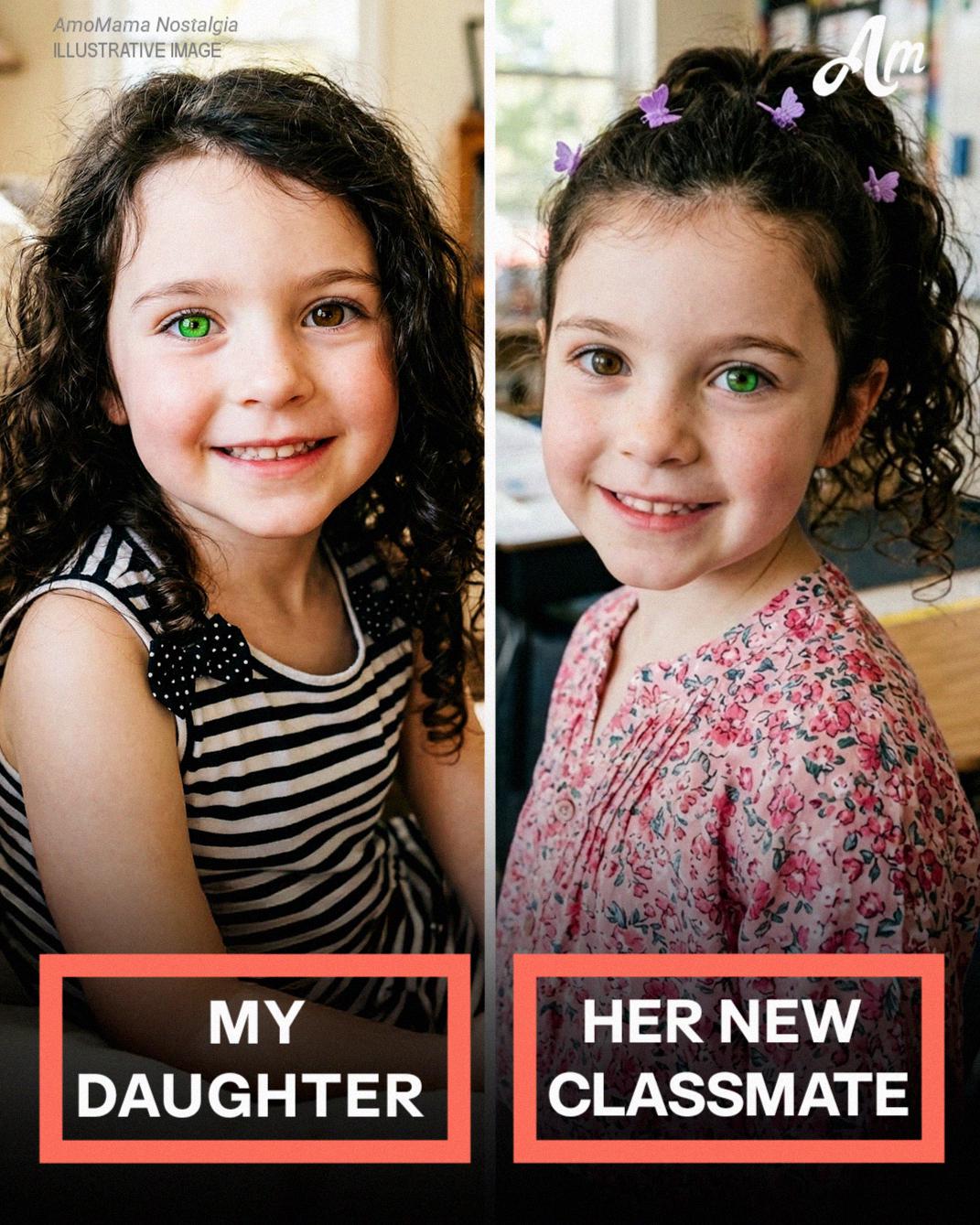
    “Yes! She sits right next to me!” Junie was already fishing in her backpack. “And she looks like me. Like… the same. Except her hair is parted on the other side.”

    A strange chill ran down my back. “What does she like for lunch, baby?”

    “She said peanut butter and jelly,” Junie said. “But she said she’s never had it at school before. She liked that you put more jelly than her mom.

    “I MET MY SISTER TODAY. HER NAME’S LIZZY.”

    Is that so?” I asked.

    Then Junie’s face brightened. “Oh! Want to see a picture? I used the camera like you said!”

    I’d bought her one of those little pink disposable film cameras for her first day. I thought it’d be fun, and help her make memories. And that I could make a scrapbook for her later.

    She handed me the camera, so proud of herself. “Ms. Kelsey helped take a photo of us. Lizzy was shy! Ms. Kelsey asked if we were sisters.”

    I scrolled through the photos. There they were, two little girls by the cubbies, matching eyes, same curly hair, and even similar freckles just under their left eyes.

    JUNIE’S FACE BRIGHTENED.

    I nearly dropped the camera.

    “Honey, did you know Lizzy before today?”

    She shook her head. “Nope. But she said we should be friends, since we look the same. Mom, can she come over for a playdate? She said her mom walks her to school, but maybe next time you could meet her?”

    I tried to keep my tone steady. “Maybe, baby. We’ll see.”

    ***

    That night, I sat on the couch staring at the photo, heart thudding, hope and dread battling in my chest.

    But deep down, I already knew, somehow, this was only the beginning.

    “BUT SHE SAID WE SHOULD BE FRIENDS, SINCE WE LOOK THE SAME.”

    The next morning, I gripped the steering wheel so hard my knuckles ached. Junie babbled about her teacher and “Lizzy’s favorite color” the whole way, completely oblivious.

    The school parking lot was chaos, cars, kids, and parents waving. Junie squeezed my hand as we walked toward the entrance.

    “There she is!” she whispered, eyes wide.

    “Where?”

    Junie pointed. “By the big tree, Mom! See? That’s her mom, and that lady’s with them again!”

    “THERE SHE IS!”

    mirror image, stood by a woman in a navy coat. The woman’s face was tight, watching us.

    My stomach knotted.

    And then, just behind them was a woman I thought I’d never see again.

    Marla, the nurse. She was older, but there was no way I’d forget those eyes. She lingered like a shadow.

    I tugged gently on Junie’s hand. “Come on, you need to run along, baby.”

    She skipped off, calling, “Bye, Mom!” Lizzie ran toward her, instantly whispering secrets.

    I FOLLOWED MY DAUGHTER’S GAZE.

    I forced myself across the grass, my pulse thudding in my ears. “Marla?” My voice shook. “What are you doing here?”

    Marla jumped, her eyes darting away. “Phoebe… I —”

    Before she could finish, the woman in the navy coat stepped forward. “You must be Junie’s mother,” she said quietly. “I’m Suzanne. We… we need to talk.”

    I stared at her, my fury and fear fighting for space.

    “How long have you known, Suzanne?”

    “WHAT ARE YOU DOING HERE?

    Her face crumpled. “Two years. Lizzy needed blood after an accident, and my husband and I weren’t matches. I started digging. I found the altered record.”

    “Two years,” I repeated. “You had two years to knock on my door.”

    “I know.”

    “No. You had two years to stop being afraid, and you chose yourself every single day.”

    Suzanne flinched. “I confronted Marla. She begged me not to tell. And I let her. I told myself I was protecting Lizzy, but I was protecting myself. Marla comes around sometimes.”

    My throat burned. “While I buried my daughter in my head every night.

    “I FOUND THE ALTERED RECORD.”

    Suzanne’s eyes filled. “Yes. And my fear cost you your daughter.”

    I turned to Marla, my voice thick with anger. “You took my daughter from me.”

    Her lower lip shook. “It was chaos, Phoebe. I made a mistake. And instead of fixing it, I lied. I’m sorry. I am so, so sorry.”

    We stood in the morning sun, the truth between us at last, with witnesses all around and nothing left to hide.

    My vision blurred. “You let me mourn my child for six years. And you let me do it while she was alive.”

    Suzanne stepped closer, her face twisting in pain. “I love her. I’m not her mother, not really, but I couldn’t let go. I’m sorry, Phoebe. I’m so, so sorry.”

    “YOU TOOK MY DAUGHTER FROM ME.”

    I didn’t know what to do with her grief. But it did nothing to excuse what she’d done.

    For a long moment, no one spoke. The sounds of the schoolyard faded, and all I could see was the last six years:

    Junie’s second birthday, me, in the kitchen late at night, icing one cake and then freezing, hand trembling as I remembered there was supposed to be two.

    Or Junie at four, sleeping with her cheek against the pillow, sunlight in her curls, Michael already gone, and me standing over her, asking the dark, “Do you dream about your sister, too?”

    I DIDN’T KNOW WHAT TO DO WITH HER GRIEF.

    A teacher’s voice snapped me back. “Is everything alright here?”

    Parents had started staring. Even the front-office secretary had stepped outside.

    I straightened. “No. And I want the principal here right now.”

    ***

    The days after were a blur of meetings, phone calls, lawyers, and counselors. I sat in the principal’s office while a district officer took statements. By noon, Marla had been reported. Within days, the hospital opened an investigation.

    I still woke up reaching for grief out of habit, even after the truth came.

    “IS EVERYTHING ALRIGHT HERE?”

    One afternoon, in a sunlit room, I sat across from Suzanne. Junie and Lizzy were on the floor, building a tower of blocks, their laughter rising in bright, impossible harmony.

    Suzanne looked at me, her eyes swollen and raw. “Do you hate me?” she asked.

    I swallowed. “I hate what you did, Suzanne. I hate that you knew and stayed silent. But I see that you love her, and it’s the only thing that makes this bearable. You had two years to tell me. I had six years to grieve.”

    She nodded, tears streaking her cheeks. “If there’s any way, any way possible, we can do this together?”

    I glanced at the girls, reaching over each other as they played with a dollhouse. “They’re sisters. That’s never changing again.”

    “DO YOU HATE ME?”

    A week later, I found myself facing Marla in a mediation room, her hands clasped tightly, eyes red.

    She spoke first, voice trembling. “I’m so sorry, Phoebe. I never meant to hurt anymore.”

    I sat forward, anger and pain mixing. “Then why?”

    Marla’s confession came out in pieces. “There was chaos in the nursery that night. Your daughter was put under the wrong chart, and when I realized it, I panicked.”

    She twisted her hands in her lap. “I made one lie to cover another, and by morning I had trapped all of us inside it.”

    “I NEVER MEANT TO HURT ANYMORE.”

    Tears slid down her cheeks. “I told myself I would fix it. Then I told myself it was too late. I’ve lived with it every day for six years.”

    “Marla, what you did was unforgivable.”

    “I deserve what’s coming!” she said, her voice breaking. She looked relieved almost. “Even if it means doing… time. Whatever it is. I’m sorry. But maybe now I can finally breathe.”

    I nodded, feeling something inside me uncoil. For six years, I had carried this alone. Now I didn’t have to.

    But the one thing that I couldn’t shake, what I couldn’t have imagined, was that my baby had been alive and breathing all along.

    And I’d lost so much time to grief instead of knowing and loving both my daughters.

    “I DESERVE WHAT’S COMING!”

    Two months later, we found ourselves sprawled on a picnic blanket at the park, just me, Junie, and Lizzy, sunlight catching on the grass. Suzanne was away for work, and both my girls were with me.

    The air smelled like popcorn and sunscreen, and both girls had rainbow ice cream melting down their wrists.

    Lizzy giggled, cheeks sticky. “Mommy, you put popcorn in my cone again!”

    I grinned, scooping up the dropped pieces. “You told me that’s how you like it, remember?”

    Junie, mouth full, chimed in, “She only likes it because she saw me do it first.”

    Lizzy stuck out her tongue. “Nu-uh, I invented it!”

    “YOU TOLD ME THAT’S HOW YOU LIKE IT, REMEMBER?”

    We laughed, loud and real. There was no heaviness, only the buzz of kids running wild, the music of their voices. I pulled out the new disposable camera, lilac this time, picked by both girls in the grocery aisle.

    It had become our tradition. We’d fill drawers with blurry photos: sticky hands, messy grins, and snapshots of a life reclaimed.

    “Smile, you two!” I called.

    They pressed their cheeks together, arms flung around each other, both shouting, “Cheese!” I snapped the picture, heart brimming.

    IT HAD BECOME OUR TRADITION.

    Junie flopped into my lap. “Mom, are we going to get all the camera colors? We need green and blue and —”

    Lizzy tugged my sleeve. “And yellow! That’s for summer.”

    I ruffled their hair, feeling so present it almost hurt. “We’ll use every color. That’s a promise.”

    My phone buzzed. It was a text from Michael about the delayed child support. I stared at it, thumb hovering, but then looked at the girls tangled at my side.

    He’d made his choice a long time ago. We were done waiting for him.

    “THAT’S A PROMISE.”

    These moments were ours now.

    I wound the camera and grinned. “Alright, who wants to race to the swings?”

    Sneakers pounded and laughter spilled out, mine mixed with theirs as we ran.

    No one could give me back the years I lost.

    But from here on out, every memory was mine to make. And no one would ever steal another day.

    THESE MOMENTS WERE OURS NOW.


  • Another Terrible Loss For The Bryant Family, Sending Prayers

    He survived his son. But he never escaped the shadow of that loss.
    Now Joe “Jellybean” Bryant is gone at 69, and the story behind the man who shaped Kobe’s mind, swagger, and obsession is only just being told. A father, a forgotten star, a grieving soul who vanished from the spotlight after the hel…

    He was more than Kobe’s father, yet forever tied to that name. Joe “Jellybean” Bryant carried his own brilliance long before his son wore purple and gold. At La Salle, he was electric, a 20-point scorer with a game that turned heads and a personality that lit up gyms. In the NBA, from Philadelphia to San Diego to Houston, he became a crowd-pleaser, playing with style, joy, and a flair that made him unforgettable to those who watched him live.

  • Heartbreaking tragedy has struck after news

    Heartbreaking tragedy has struck after news

    The child’s death has torn a hole in the family’s world, leaving parents shattered by guilt and unanswered questions. How could something so deadly be hiding in the place they believed was safest? As investigators examine wiring, appliances, and possible negligence, the community is left confronting a terrifying truth: this could have happened in any home, on any ordinary day.

    Authorities and safety experts are now urging urgent inspections of household electrical systems, especially in older or poorly maintained buildings. Exposed wires, loose sockets, overloaded extensions, and makeshift connections are being flagged as silent killers that often show no warning until it is too late. In the wake of this tragedy, neighbours have begun checking their own homes, hoping to prevent another family from experiencing the same unbearable loss born from a danger no one thought to see.


  • Illegal Immigrant Ignores Final Deportation Order, Wife Chases ICE Van in Tears…See more

    Illegal Immigrant Ignores Final Deportation Order, Wife Chases ICE Van in Tears…See more

    Scarborough, Maine — Dashcam video captures the raw reality of immigration enforcement in action. A U.S. citizen woman honks frantically and follows an ICE vehicle after agents detained her husband, who had a final removal order from an immigration judge.

    Instead of complying and leaving the country as ordered, the husband ignored due process. Now his wife trails the van all the way to the facility, crying and demanding answers while filming herself. “Why are you taking my husband?”
    This isn’t a surprise raid on some hardworking family minding their own business. It’s the consequence of flouting American law. Immigration courts gave him his day — he lost. Self-deportation was always an option. The “app for that” exists for a reason.

    Maine saw over 200 detentions in January’s Operation Catch of the Day, targeting those with removal orders amid stepped-up interior enforcement. Liberals cry “family separation” and push sob stories, but the real outrage is years of open borders that invited this chaos, then left ICE to clean it up.
    Rules are rules. Laws aren’t suggestions. If she loves him so much, she can join him in his home country — no American court stands in the way of that choice. Americans are tired of the entitlement and the endless drama when consequences finally hit. Enforce the law, deport the violators, and restore order at the border and inside it. No more excuses.


  • 🚨 “I Noticed a Small Bump… Then I Realized How Common This Actually 1s”

    🚨 “I Noticed a Small Bump… Then I Realized How Common This Actually 1s”

    Bumps in the Genital Area: What They Really Mean (And When to Worry)

    It starts with a moment of doubt.

    You notice something unusual — a small bump, maybe a few.
    It wasn’t there before. Or at least, you don’t remember it being there.

    And instantly, your mind begins to race.

    Is this normal?
    Should I be worried?
    Do I need to see a doctor right now?

    Here’s the truth most people don’t talk about:
    bumps in the genital area are extremely common — and in most cases, they’re not dangerous.

    But knowing what’s harmless… and what isn’t… can save you a lot of unnecessary stress.

    Why This Area Is So Sensitive (And Reactive)

    The genital area is one of the most delicate parts of your body.

    It’s constantly exposed to:

    • Moisture
    • Heat
    • Friction
    • Hair growth
    • Glands and pores

    Because of this, even the smallest irritation can quickly show up as visible bumps or changes in the skin.

    This doesn’t mean something is wrong — it means your skin is reacting.

    Key takeaway: This area reacts faster than most, so small issues can look bigger than they are.


    The Most Common Causes (And Why They’re Usually Harmless)

    Most bumps come from everyday habits — not serious conditions.

    1. Shaving and Ingrown Hairs

    Shaving is one of the biggest triggers.

    When hair grows back into the skin instead of outward, it creates:

    • Small red bumps
    • Pimple-like spots
    • Mild irritation or itching

    These are extremely common and usually go away on their own.


    2. Friction From Tight Clothing

    Tight underwear or synthetic fabrics can rub against the skin repeatedly.

    This causes:

    • Irritation
    • Blocked pores
    • Small inflamed bumps

    Switching to loose, breathable fabrics often solves the problem quickly.


    3. Sweat and Moisture Build-Up

    Warm, damp environments can clog follicles and irritate the skin.

    This may lead to:

    • Breakout-like bumps
    • Mild swelling
    • Temporary discomfort

    Key takeaway: Most bumps are caused by irritation — not infection.

    When It’s Just a Blocked Gland or Small Cyst

    Not all bumps are inflamed or painful.

    Some may feel:

    • Smooth
    • Firm
    • Painless
    • Slow-growing

    These are often small cysts or blocked glands.

    They usually don’t require treatment unless they:

    • Grow significantly
    • Become painful
    • Show signs of infection

    Key takeaway: If it doesn’t hurt or change, it’s often not serious.


    When Symptoms Feel Annoying — But Not Dangerous

    Some bumps can feel uncomfortable without being harmful.

    You might notice:

    • Mild itching
    • Slight redness
    • Temporary swelling

    These symptoms can be irritating, but they often disappear within a few days.

    Simple care like gentle cleaning and avoiding friction can help speed up recovery.

    Key takeaway: Not every uncomfortable symptom means something serious.


    Why Appearance Alone Can Be Misleading

    This is where many people get confused.

    Different conditions can look very similar in the early stages.

    A harmless bump can look like something serious.
    And something serious can look harmless at first.

    That’s why relying only on appearance is not enough.

    Key takeaway: What matters most is how it changes over time.


    Warning Signs You Should Never Ignore

    Even though most cases are harmless, there are situations where you should take action.

    Pay attention if a bump:

    • Gets bigger over time
    • Becomes painful
    • Changes color or shape
    • Doesn’t improve after a reasonable period
    • Starts spreading

    These signs don’t always mean something serious — but they should be checked.

    Key takeaway: Growth and change are the biggest red flags.


    How to Take Care of the Area Properly

    If the bumps are mild, simple care is often enough.

    Do this:

    • Keep the area clean and dry
    • Use gentle, fragrance-free products
    • Avoid shaving until it heals
    • Wear loose, breathable clothing
    • Use warm compresses if needed

    Avoid this:

    • Scrubbing aggressively
    • Using harsh chemicals
    • Picking or squeezing bumps

    Save this: Gentle care heals — harsh treatment worsens.


    The Real Reason People Panic

    Let’s be honest — this topic causes anxiety.

    Not because it’s always serious…
    But because it’s personal, private, and rarely discussed openly.

    So when something changes, people often assume the worst.

    But in reality, most of these situations are:

    • Temporary
    • Manageable
    • Completely normal

    Key takeaway: Lack of information creates fear — understanding removes it.


    You’re Not Alone — And There’s Nothing to Be Embarrassed About

    This is something nearly everyone experiences at some point.

    But many people:

    • Feel ashamed
    • Avoid asking questions
    • Delay getting help

    There’s no reason for that.

    Your health should always come first.

    Key takeaway: Taking care of your body is normal — not embarrassing.


    Quick Checklist (Save This)

    If you notice bumps:

    • ✔ Observe changes over time
    • ✔ Avoid irritation (shaving, tight clothes)
    • ✔ Keep the area clean
    • ✔ Don’t panic immediately
    • ✔ Seek help if it persists or worsens

    Final Thoughts: Awareness Over Fear

    Most bumps in the genital area are harmless.

    But awareness is what protects you.

    You don’t need to panic.
    You don’t need to ignore it either.

    Just pay attention, take care of your body, and act if something changes.

    Final thought: Your body gives signals — your job is simply to notice them.

  • Men don’t know THIS! Sincere advice from…see more

    Men don’t know THIS! Sincere advice from…see more

    The phrase hints at a bold, perhaps playful assertion: that men who openly express affection and intimacy with their spouses, specifically through acts like oral intimacy, might possess certain positive traits. Whether it’s about being more caring, attentive, or deeply connected, the phrase teases an intriguing perspective.

    It opens the door to a discussion about intimacy’s role in relationships, trust, and even how acts of mutual affection can enhance emotional and physical bonds between partners.
    How intimacy reflects character—”Are they more confident? More loving? Or simply more in tune with their partner’s needs?”—adds an intriguing layer to this provocative statement.

  • Doctors reveal that tomato consumption🍅produces… see more

    Doctors reveal that tomato consumption🍅produces… see more

    Recent studies highlight the surprising health benefits of including tomatoes in your diet. Rich in antioxidants like lycopene, tomatoes have been linked to improved heart health, reduced inflammation, and even protection against certain types of cancer.

    Doctors note that regular tomato consumption can support skin health, boost immunity, and contribute to overall well-being. Whether eaten fresh, cooked, or in sauces, tomatoes provide essential vitamins and minerals that strengthen the body.

    The key takeaway: adding tomatoes to your meals isn’t just tasty—it’s a simple step toward better long-term health.


  • Don’t Cheat: Pick The Odd One Out To See How ‘Lucky’ You Really Are

    Is luck a random gift from the universe, or is it something we create with our own eyes? Take this visual intuition test to find out.

    Six different four-leaf clovers on a purple background


    The Science of Seeing: More Than Just a Game

    At first glance, the task seems almost too simple: six clovers, each slightly different, with the challenge being to pick the “odd” one out. But as you dive deeper into this exercise, it becomes clear that it’s not actually about a hidden trick—it’s about perception, intuition, and your unique personality

    Humans are biologically wired to spot patterns and anomalies. When you look at these six icons, your brain immediately begins a high-speed comparison of color, shape, texture, and symmetry. However, the fascinating part of this exercise is that no two people see the “oddity” the same way. Some notice the gloss, others the shape, and some feel a “vibe” before they even see a detail.

    “Luck is often just the intersection of preparation and perspective.

    What Your Choice Says About Your ‘Luck’

    Every clover in this lineup is “special” in its own way. Because there is no single  scientific “correct” answer, the one you choose acts as a mirror to your subconscious. Here is what your selection reveals about how you navigate the world:

    Realistic textured four-leaf clover

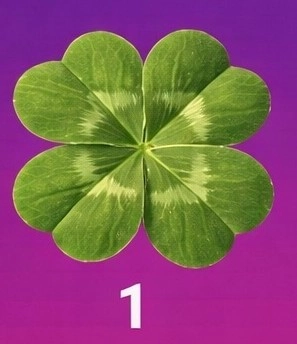
    If you picked Clover #1: You are likely detail-oriented and deeply grounded. You value simplicity and authenticity over flashy appearances. Your “luck” comes from your ability to see the truth in situations where others are distracted by noise.

    Glossy symmetrical four-leaf clover

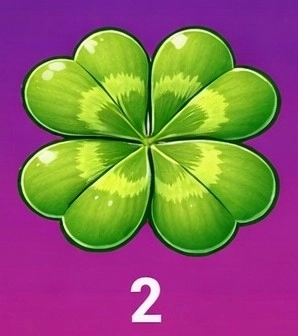
    If you picked Clover #2: You possess a highly balanced and analytical mind. You are the type of person who looks for harmony in all things and considers every possible option before making a move. You don’t leave things to chance; you orchestrate your own success.

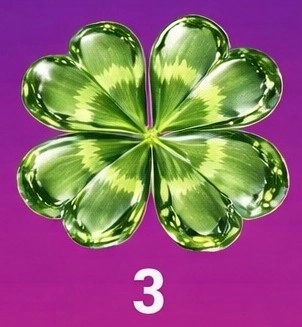
    Crystalline shiny four-leaf clover

    If you picked Clover #3: You are drawn to boldness and uniqueness. You have a taste for the finer things and appreciate people or objects that break away from the norm. Your luck is found in your courage to be different.

    Mindful living
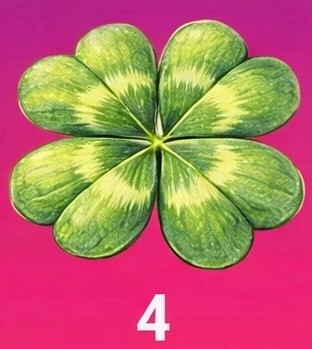
    Artistic painted four-leaf clover
    If you picked Clover #4: You have an incredible creative eye. You see complexity and beauty where others see only simplicity. You find “lucky” opportunities in life because you are looking at the world through a lens of infinite possibility.
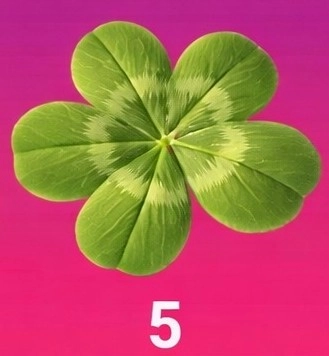
    Soft organic four-leaf clover
    If you picked Clover #5: You are a person who leads with the heart. You trust your instincts and rely on your intuition to guide you through the fog. Your “luck” is actually a finely tuned gut feeling that rarely leads you astray.
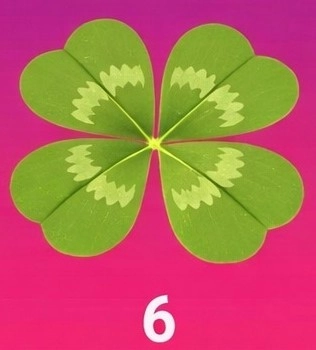
    Minimalist flat-design four-leaf clover
    If you picked Clover #6: You value clarity and straightforwardness above all else. You are decisive and practical, preferring the shortest path between two points. You make your own luck by cutting through the nonsense and focusing on what works.

    The Final Twist: Is Luck Real?

    The real secret of this exercise is that it isn’t testing random chance at all. Instead, it demonstrates that what we often call “luck” is actually a combination of awareness and decision-making.

    The way you perceive differences and trust your feelings influences your life outcomes much more than a roll of the dice. So, instead of asking yourself, “Am I lucky?” perhaps the more insightful question is: “How do I see the world, and how does that vision shape my results?”

    In the end, there’s no single “correct” clover, and that’s the beautiful part. Life rarely offers clear-cut answers. What matters most is how you interpret the world around you. Maybe the truest form of luck is simply how we choose to respond to the opportunities and challenges that grow in our own garden.

    Mindful living


  • Swollen Feet: Common Causes, Warning Signs, and When to Seek Medical Advice

    Swollen Feet: Common Causes, Warning Signs, and When to Seek Medical Advice

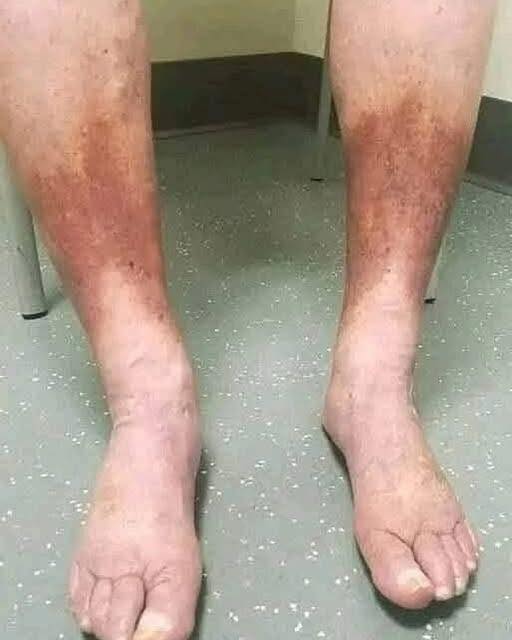
    Swollen feet are a common concern that many people experience at some point in their lives. While mild swelling can occur after a long day of standing or traveling, persistent or unexplained swelling may signal an underlying health issue that requires attention.

    Often overlooked, swelling in the feet—medically known as edema—can be associated with various conditions ranging from temporary fluid retention to circulatory or inflammatory disorders. Understanding the possible causes, recognizing warning signs, and knowing when to consult a healthcare professional can make a significant difference in maintaining overall well-being.

    This article provides a comprehensive, medically responsible overview of swollen feet, including common causes, associated symptoms, preventive strategies, and when it is important to seek medical care.

    What Does “Swollen Feet” Mean?
    Swelling occurs when excess fluid accumulates in the tissues. The feet and ankles are particularly prone to swelling because gravity pulls fluids downward, especially when sitting or standing for extended periods.

    Edema can affect one foot or both, and it may develop gradually or suddenly. While occasional swelling may not indicate a serious problem, persistent or painful swelling should not be ignored.

    Common Causes of Swollen Feet
    There are many potential reasons why feet may become swollen. Some are harmless and temporary, while others may require medical evaluation.

    1. Prolonged Standing or Sitting
    Remaining in one position for long periods can lead to fluid pooling in the lower extremities. This is common during long flights, desk work, or extended travel.

    2. Hot Weather
    Warm temperatures can cause blood vessels to expand, leading to increased fluid leakage into surrounding tissues.

    3. Minor Injuries
    Sprains, strains, or impact injuries can cause localized inflammation and swelling as part of the body’s natural healing response.

    4. Fluid Retention
    Fluid retention can occur due to dietary factors, particularly high sodium intake. Hormonal fluctuations may also contribute, especially during certain life stages.

    5. Circulatory Issues
    Conditions that affect blood flow can result in swelling. When veins have difficulty returning blood to the heart efficiently, fluid may accumulate in the legs and feet.

    6. Inflammatory Conditions
    Inflammatory disorders affecting joints or tissues can lead to noticeable swelling in the feet and ankles.

    7. Medication Side Effects
    Certain medications, including those prescribed for blood pressure, hormones, or inflammation, may cause fluid retention as a side effect.

    When Swelling May Signal a More Serious Condition
    Although swelling can be temporary and harmless, certain warning signs may indicate a more significant health issue. It is important to seek medical evaluation if swelling is:

    Persistent or worsening over time

    Accompanied by pain, warmth, or redness

    Present in only one foot without obvious injury

    Associated with shortness of breath

    Combined with chest discomfort

    Linked to unexplained weight gain

    In some cases, swelling may be related to heart, kidney, or liver function. These organs play essential roles in regulating fluid balance. When they are not functioning optimally, excess fluid may accumulate in the body.

    A healthcare provider can perform appropriate tests to determine the underlying cause and recommend treatment.

    The Role of Circulation in Foot Swelling
    Healthy circulation ensures that oxygen and nutrients reach tissues effectively while waste products are removed. When circulation is impaired, fluid may pool in the lower extremities.

    Poor circulation may be influenced by:

    Sedentary lifestyle

    Smoking

    Chronic health conditions

    Aging-related vascular changes

    Improving circulation through regular physical activity, leg elevation, and supportive footwear can help reduce mild swelling in many cases.

    Inflammation and Swelling
    Inflammation is the body’s natural response to injury or infection. While it plays a protective role, prolonged or excessive inflammation can lead to discomfort and swelling.

    Inflammatory conditions that may affect the feet include:

    Joint-related disorders

    Autoimmune conditions

    Soft tissue inflammation

    If swelling is accompanied by stiffness, limited movement, or persistent discomfort, medical consultation is advisable.

    Swelling During Travel
    Travel-related swelling is particularly common during long flights or car trips. Limited movement slows circulation and allows fluid to collect in the lower legs.

    To reduce travel-related swelling:

    Take breaks to stand and stretch

    Perform ankle circles and calf exercises

    Stay hydrated

    Avoid excessive salt intake

    Consider compression socks if recommended by a healthcare provider

    Most travel-related swelling resolves within hours after movement resumes.

    Lifestyle Factors That Contribute to Swollen Feet
    Daily habits can influence fluid retention and circulation.

    Diet
    High sodium intake encourages the body to retain fluid. Reducing processed foods and increasing intake of fresh fruits and vegetables can help maintain balanced hydration levels.

    Physical Activity
    Regular movement supports healthy blood flow. Walking, swimming, and gentle stretching exercises are beneficial.

    Hydration
    Drinking adequate water helps regulate fluid balance and may prevent the body from holding excess fluid.

    Weight Management
    Maintaining a healthy weight reduces pressure on the lower extremities and improves circulation.

    When to Seek Medical Evaluation
    While mild swelling may resolve on its own, certain symptoms warrant prompt medical attention. Seek professional care if you experience:

    Sudden swelling without clear cause

    Severe pain or tenderness

    Swelling combined with breathing difficulty

    Skin discoloration or unusual warmth

    Persistent swelling lasting several days

    Early evaluation allows healthcare providers to rule out serious conditions and begin appropriate treatment.

    Diagnostic Approaches
    Healthcare professionals may use several methods to determine the cause of swelling:

    Physical examination

    Review of medical history

    Blood tests

    Imaging studies such as ultrasound

    Evaluation of heart and kidney function

    Accurate diagnosis ensures targeted and effective treatment.

    Treatment Options
    Treatment depends on the underlying cause. Common approaches include:

    Lifestyle adjustments

    Compression therapy

    Medication management

    Physical therapy

    Dietary modifications

    In cases where swelling is linked to an underlying medical condition, managing that condition typically reduces symptoms.

    Home Remedies for Mild Swelling
    For occasional, mild swelling, the following strategies may help:

    Elevation
    Raising your feet above heart level for 15–20 minutes can encourage fluid drainage.

    Gentle Movement
    Flexing and stretching the feet and ankles improves circulation.

    Cold Compress
    Applying a cool compress may reduce mild inflammation.

    Proper Footwear
    Supportive shoes help reduce strain and improve alignment.

    These approaches are suitable for minor swelling but should not replace medical advice when symptoms persist.

    Special Considerations for Older Adults
    As people age, circulation efficiency may decline, and the risk of chronic conditions increases. Older adults experiencing frequent swelling should discuss symptoms with their healthcare provider to ensure proper evaluation.

    Preventive Strategies for Long-Term Health
    Preventing chronic swelling involves consistent healthy habits:

    Maintain regular exercise

    Follow a balanced diet

    Limit sodium intake

    Stay hydrated

    Avoid long periods of immobility

    Schedule routine medical check-ups

    These strategies support overall cardiovascular and circulatory health.

    The Importance of Listening to Your Body
    Swollen feet can be the body’s way of signaling that something needs attention. While many cases are minor and temporary, persistent or unusual swelling should never be ignored.

    Monitoring symptoms carefully and seeking professional guidance when necessary can prevent complications and promote long-term health.

    Final Thoughts
    Swollen feet are more than a cosmetic concern—they can reflect underlying changes in circulation, fluid balance, or inflammation. In many cases, simple lifestyle adjustments can reduce mild swelling. However, when swelling is persistent, painful, or accompanied by additional symptoms, medical evaluation is essential.

    Staying informed about potential causes empowers individuals to take proactive steps toward better health. If you notice changes that concern you, consult a qualified healthcare professional for personalized advice and care.