Blog

  • IVF Clinic Closing After Embryo Mixup That Led Couple to Welcome Daughter Who Isn’t Biologically Related to Them

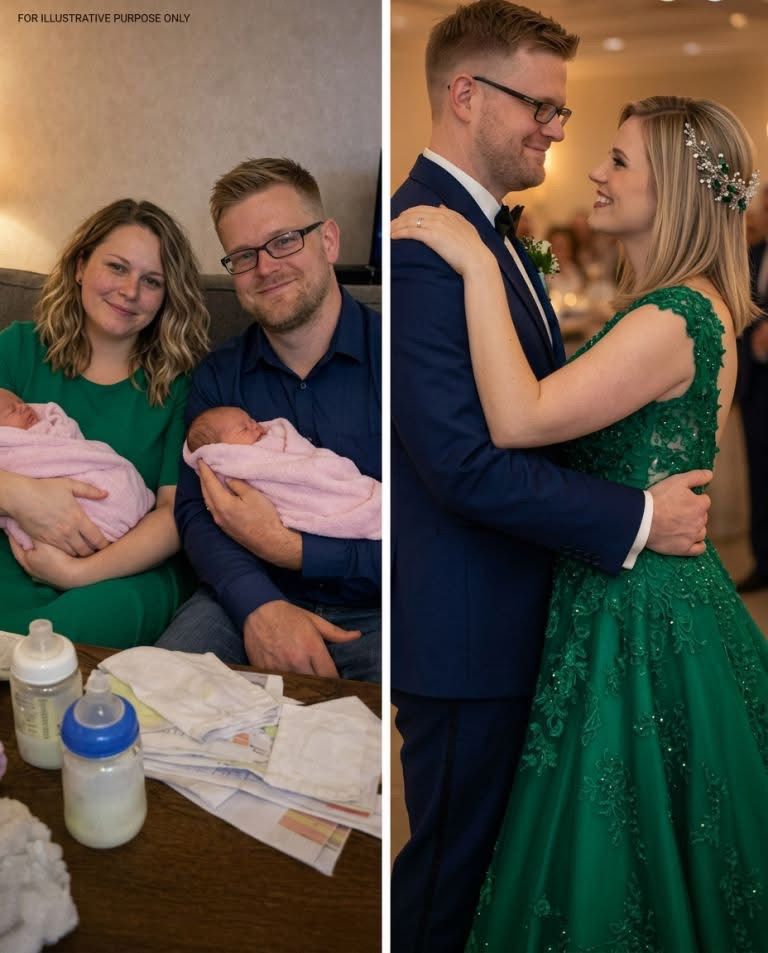
    • Couple Tiffany Score and Steven Mills earlier filed a lawsuit against Fertility Center of Orlando after welcoming a baby in 2025 who they claimed is not genetically related to them
    • The clinic was also served with a lawsuit in March by a surrogate who alleged she gave birth to a baby with a genetic disorder
    • The center announced on its website that it was shutting down but offered no reason behind the closure
    • A Florida-based IVF clinic announced its closure not long after it was sued by a couple who claimed the baby they welcomed last year is not genetically related to them.  

      “After thoughtful consideration, Fertility Center of Orlando will be closing its operations,” the company said on its website.

      “Patients are welcomed and encouraged to transition their care to CNY Fertility,” the center continued, recommending another clinic. “CNY Fertility is committed to supporting your continuity of care. You will continue to see many of the same trusted and familiar faces who have been part of your care team, along with additional team members committed to supporting you on your journey.”

      Florida Today reported that the IVF clinic IVF Life Inc., which was doing business as the Fertility Center of Orlando, will change ownership on May 1, as revealed by the clinic’s attorney during a Monday, March 30, court hearing.

      The attorney did not disclose the new owner but said all IVF Life clients would be notified of the ownership change by letters sent out by the business.

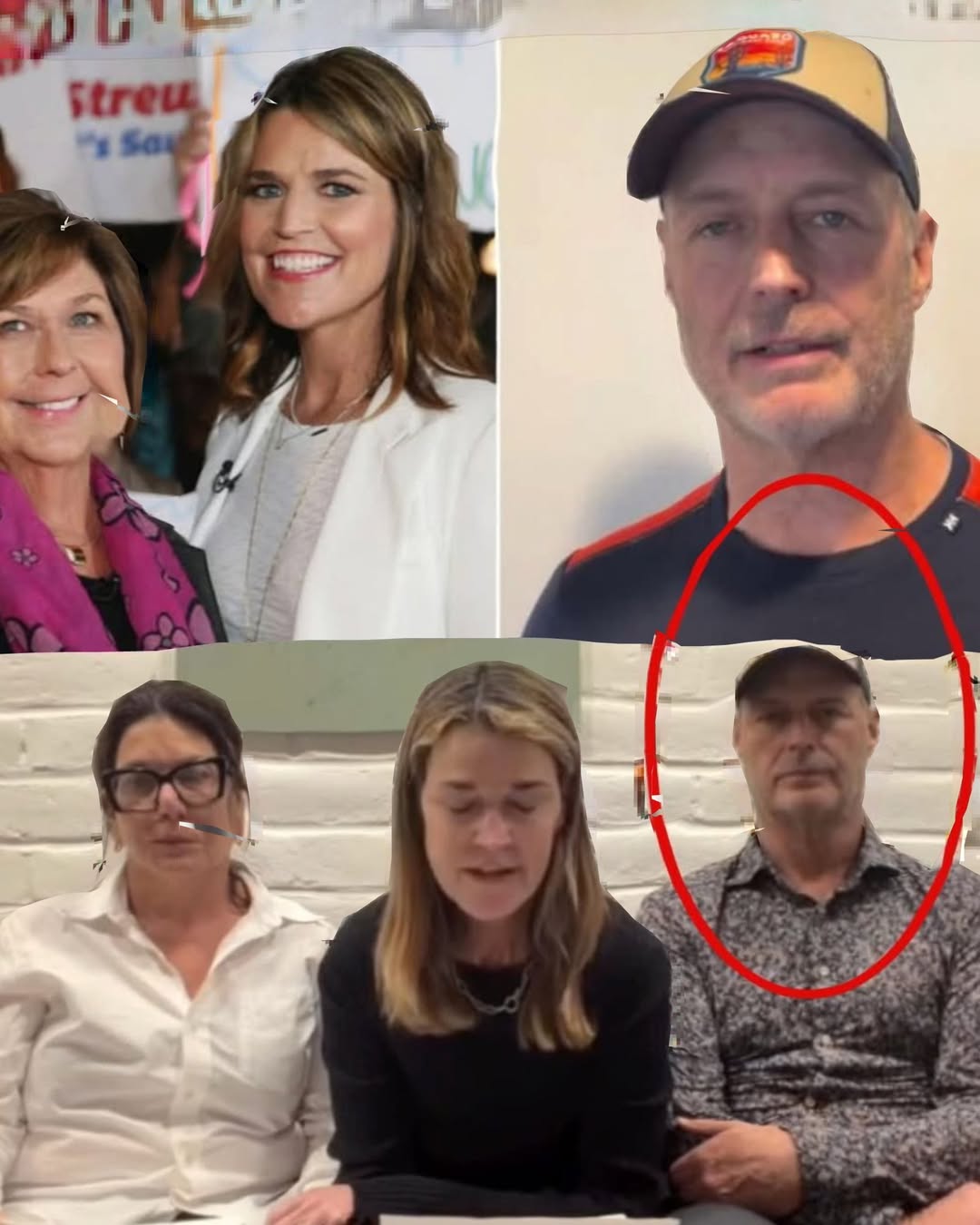
      According to a Jan. 9 lawsuit obtained by PEOPLE, Tiffany Score and husband Steven Mills turned to Dr. Milton McNichol and the center in Longwood, Fla., — both named in their complaint, which was previously covered by PEOPLE before the couple’s names were made public — for help starting a family.

      Together, the couple were able to produce and store three viable embryos.

      In April 2025, Score was allegedly implanted with what she thought was one of those embryos, a process the couple never questioned throughout her pregnancy.

    She and her husband registered for diapers and nursing pads like millions of other excited first-time expectant parents — and on Dec. 11, the couple welcomed their baby, naming her Shea Score Mills.

    Immediately, however, the couple, who are both White, saw the baby didn’t look like either of them.

    “It is obvious,” Jack Scarola, an attorney for the couple, told PEOPLE at the time.

    Genetic testing undertaken by the couple allegedly proved that Shea is not biologically related to either Score or Mills, according to Scarola, as well as the lawsuit.

    Although the couple said it’s a joy to parent “a beautiful, healthy baby girl whom we love more than words can express,” they also feel like they have “a moral obligation to find her genetic parents.”

    “Our joy over her birth is further complicated by the devastating reality that her genetic parents—whom we do not yet know—or possibly another family entirely, may have received the child we conceived,” Score and Mills claimed in a statement earlier obtained by PEOPLE. “We are heartbroken, devastated, and confused.”

    Simultaneously, Score and Mills said they were concerned that their daughter could be taken from them at any time and given to her biological parents — a worry they say “is almost unbearable.”

    By taking legal action, the couple said they hope that they can “begin living more freely and to finally celebrate the one beautiful thing that has come from all of this: our daughter. Shea is completely innocent and so undeserving of any of this.”

    Tiffany Score and Steven Mills

    News of the lawsuit — and the release of a photo of Score and Mills with baby Shea — drew media attention, and attorney Scarola said, “There are multiple families who believe that they might be genetically related to Shea.”

    Scarola said his law firm received calls from people wondering if they might be baby Shea’s parents, or if the children they welcomed through IVF are genetically theirs. They were told to contact the clinic and were advised that genetic testing is the only way to know for certain.

    The court directed the clinic to first offer free genetic testing to patients who underwent implantation in April 2025 when Score did, according to Scarola.

    One couple was currently awaiting results, and a lawyer for the clinic told the judge that results should be in by the first week of March, Scarola told PEOPLE.

    The center was served with another lawsuit in March by a woman who became a surrogate, NBC News reported. She alleged that she didn’t understand what she was agreeing to, due to her history of mental illness. The suit said the woman gave birth to a baby with a genetic disorder, and the baby died shortly after birth.

    According to the litigation, the woman alleged that the center should have known about the increased risks for a surrogate carrying a fetus with birth defects, WKMG reported.

    The Fertility Center of Orlando and Scarola did not immediately respond to PEOPLE’s request for comment.

    In a message on its website that has since been deleted, the center said it was “actively cooperating with an investigation to support one of our patients in determining the source of an error that resulted in the birth of a child who is not genetically related to them,” the Orlando Sentinel reported on Jan. 29.

    In the announcement about its closure, the Fertility Center of Orlando advised those with cryopreserved reproductive specimens in storage can transfer them to CNY Fertility or to another licensed facility— and that arrangements for the transfer of the specimens must be completed prior to April 15.

    “We are grateful for the trust you have placed in Fertility Center of Orlando and are honored to have been part of your journey,” the announcement concluded.

    Additional reporting by Amy Eskind

  • Every Babysitter Quit after Meeting My

    Every Babysitter Quit after Meeting My

    Sarah becomes suspicious when multiple babysitters quit after just one day.

    After receiving a message—“I’m sorry, but I won’t be able to continue working with your family.

    Thank you for the opportunity”—she begins to question what’s wrong.

    Despite her kids being happy and well-behaved, the pattern continues, leaving her confused and frustrated.

    A conversation with her friend Julie raises the possibility that “maybe it’s not the job…

    Maybe it’s something—or someone—else in the house.

    This pushes Sarah to investigate.

    She installs a hidden camera and hires another babysitter.

    Watching the footage, Sarah is shocked to discover the truth: her husband Dave is secretly driving babysitters away.

    He lies, claiming “Sarah’s been struggling with postpartum depression” and even intimidates them, warning that things could get “messy” if they don’t leave.

    When confronted, Dave admits he wanted her to stay home, saying it was “better for the family.”

    Sarah realizes his actions were controlling, not protective.

    Hurt but resolute, she decides to leave, stating she “can’t stay here, not like this,” choosing independence and control over her own life.

  • Paris Jackson Breaks Silence, Reveali

    Paris Jackson Breaks Silence, Reveali

    It was wrong. Through the trembling honesty of Paris Jackson, the myth finally cracks—and

    a father, flawed and fiercely loving, steps out from the shadows.

    She remembers pancakes instead of pyrotechnics, quiet advice instead of crowd screams.

    Through Paris’s eyes, Michael Jackson becomes neither saint nor monster,

    but a complicated man desperate to give his children the safety he never knew.

    She recalls laughter in the kitchen, handwritten notes of encouragement, and

    a gentle insistence that they stay kind, no matter how cruel the world became.

    The masks and high walls, so mocked by outsiders, were to her the armor of a terrified but determined father.

    Losing him at eleven left her exposed to a world eager to dissect her pain.

    Yet as she grew, Paris chose not to wage war against every accusation, but to live by the values he whispered in private:

    compassion over bitterness, creation over destruction.

    By honoring his love while building her own identity, she offers a rare,

    tender truth—behind the spectacle was simply a dad trying, imperfectly, to love his children well.

  • I Went to Sell My House—An Unknown Couple Opened the Door Like They Owned It, So I Made One Phone Call

    The call from my lawyer came while I was driving through the winding mountain roads of North Carolina, heading toward the property I’d inherited from my grandmother six months earlier. Michael Turner’s voice carried an edge I’d never heard before—sharp, urgent, almost frightened.

    “Madison, we have a serious problem. There are people living in your house. Strangers. They changed the locks and they’re acting like they own the place. You need to get here immediately and call the police.”

    I slammed on the brakes so hard my tires screamed against the asphalt, kicking up gravel and leaving dark marks on the road. My heart hammered against my ribs as I processed what he’d just said. The A-frame house deep in the mountains near Asheville was supposed to be vacant—empty and waiting for a final inspection before we listed it for sale. I’d sent Michael ahead to handle the walkthrough because I’d been tied up with other properties in my portfolio.

    “What do you mean people are living there? The house should be locked,” I managed, my voice coming out higher than I intended.

    “They replaced the deadbolt with their own lock. When I tried to use the spare key, some man came to the door and told me I was trespassing. Madison, they’re drinking wine on your grandmother’s sofa, watching television, completely settled in like they’ve been there for months. This isn’t normal squatters—they have furniture, electronics, the whole setup. You need to see this.”

    With trembling hands, I ended the call and immediately dialed 911, explaining the situation to the dispatcher while pressing the accelerator to the floor. The mountain road blurred past as I navigated curves I’d known since childhood, when my grandmother Elellaner would bring me up here for summer weekends filled with hiking and stories on the porch.

    When I finally pulled into the gravel driveway forty minutes later, the scene that greeted me was surreal. My lawyer Michael stood near the front door clutching a folder of documents, his normally composed expression replaced by visible confusion. Two police officers flanked the entrance with crossed arms and professional skepticism written across their faces.

    And standing in my grandmother’s doorway as if they had every right to be there were my younger sister Jasmine and her husband Ryan.

    The moment Jasmine saw me, instead of showing even a flicker of embarrassment or guilt, she let out an exaggerated sigh of irritation. “Seriously, Madison? Calling the cops over this is way too dramatic, even for you. We were finally having some peaceful couple time, and you completely ruined the mood. Can’t you respect your own sister’s privacy?”

    She spoke with the casual entitlement of someone who genuinely believed she’d done nothing wrong, swirling a crystal wine glass in her manicured hand. I recognized the glass immediately—it was from the antique set my grandfather had given my grandmother decades ago, one of only a few complete sets left in the world.

    “Privacy? This is my property, Jasmine. You changed the locks and moved in without asking. That’s not borrowing—that’s illegal occupation.” My voice came out louder than I’d intended, echoing off the trees surrounding the property.

    Ryan snorted with laughter from his position beside my sister, leaning against the doorframe like he owned it. “Illegal occupation—don’t use such harsh language, Madison. We’re just making efficient use of family assets. You’ve got what, five properties now? This one was sitting empty collecting dust. It’s only natural for you to let your sister and brother-in-law stay here when we can’t afford rent. Hoarding real estate while family struggles isn’t a good look.”

    “I never said you could stay here. What happened to your apartment?” I demanded.

    “Oh, that place? We canceled the lease last month. The air quality here is so much better, and it’s free. We’re actually in the process of changing our mailing address to this property. You got a problem with that?” Jasmine’s tone was challenging, almost daring me to object.

    I felt dizzy listening to how casually they’d dismantled their own safety net and barged into my property without permission, fully intending to settle permanently. One of the officers, a weathered man in his fifties with sharp observant eyes, scanned the interior of the house and addressed me directly.

    “Ma’am, just to confirm—you did not give these individuals permission to reside here?”

    “Absolutely not. And please, look at what they’ve done to the living room.”

    Through the wide-open front door, I could see a scene that made my stomach turn. The once-elegant living room that my grandmother had maintained with such care was now lined with crude metal shelving units. Dozens of laptops sat open on makeshift desks, their screens glowing with what looked like spreadsheets and databases. Thick bundles of cables snaked across the floor, and someone had duct-taped soundproofing foam to the windows in a sloppy attempt at creating privacy.

    “Jasmine, what the hell is all this equipment?” I gestured at the transformation of my grandmother’s peaceful retreat into what looked like an illegal call center.

    “It’s work, Madison. Not all of us can make money through lucky real estate investments like you. Some of us have to actually work for a living.” Her tone dripped with resentment.

    “Pack up this mess and get out. Now.” My fury was building, but I kept my voice controlled.

    Jasmine leaned back into the sofa with infuriating confidence. “No way. This is our office space. Or should I sue you for harassment instead? We have rights as occupants. We’ve moved all our belongings in, we’ve been living here since yesterday, and possession is nine-tenths of the law. If you try to physically remove us, I’ll call it a violation of tenant rights.”

    What Jasmine didn’t understand—what her arrogance had blinded her to—was that this was North Carolina. When the rightful owner is present with documentation, when there’s clear evidence of unauthorized business use and property damage, and when the police have already been called, the law doesn’t side with squatters who’ve been in residence for a day.

    The veteran officer’s voice dropped to a tone of absolute authority. “This is your final warning. The property owner is demanding you vacate immediately. You cannot present a valid lease agreement, which makes this criminal trespassing. Stand up and prepare to leave the premises.”

    Ryan’s face flushed dark red. “Don’t screw with us,” he snarled, and then made a catastrophic mistake—he shoved the officer hard in the chest with both hands.

    The air in the room went electric.

    “You’re under arrest for assault on a law enforcement officer and obstruction of justice. Do not resist.” The officer moved with practiced efficiency, spinning Ryan around and forcing him face-down onto my grandmother’s hardwood floor. The metallic click of handcuffs echoed through the sudden silence.

    “Let me go! This is police brutality! Jasmine, help me!” Ryan’s shouting dissolved into panic.

    Instead of de-escalating, Jasmine lunged at the second officer who’d moved to assist, her fingernails raking across his forearm and leaving red welts. “Get out of our house, you fascist thugs!”

    “Ma’am, you’re also under arrest for obstruction. Calm down and cooperate.” Within seconds, Jasmine was also on the floor with handcuffs secured around her wrists.

    “Madison, this is your fault!” Jasmine screamed as they hauled her toward the door. “Turning your own family over to the police like criminals! I hope you’re happy! I’ll curse you for this!”

    “The only criminals here are the ones who turned my grandmother’s home into an illegal operation,” I said coldly. “Take them away and make sure they never set foot on this property again.”

    They were shoved into the back of the patrol car still hurling insults and threats, their voices growing fainter as the vehicle disappeared down the mountain road. The silence that settled afterward felt profound—like the aftermath of a storm, when you’re still too shocked to process what just happened.

    Michael approached me carefully, his expression a mixture of concern and professional focus. “Madison, we need to document the damage before we do anything else. This is going to significantly affect the property value.”

    Together, we began a methodical inspection. The first floor was a disaster—holes drilled into the original hardwood to run unauthorized wiring, soundproofing materials creating adhesive damage on the walls, scuff marks and scratches everywhere. But as we climbed the stairs to check the second floor, something my grandmother had said to me before she died suddenly surfaced in my memory with startling clarity.

    I’d been sitting beside her hospital bed during her final week, holding her thin hand while morphine dulled the pain of the cancer eating through her body. She’d gripped my fingers with surprising strength and pulled me close, her voice barely above a whisper.

    “Madison, if a storm comes and you lose sight of everything around you, look for that secret place where we used to play when you were small. There’s a light hidden there to protect you—something Jasmine will never find because she never paid attention to what mattered.”

    At the time, I’d assumed it was delirium, the confused rambling of a dying mind. But standing in the violated house with evidence of my sister’s betrayal all around me, those words suddenly felt like a map.

    “Michael, we need to check the attic,” I said abruptly.

    He looked confused. “The attic? Honestly, that was the only part of the house that looked untouched. No wiring up there, just old dust and forgotten storage. Your sister clearly never bothered with it.”

    “That’s exactly why we need to look.”

    We climbed the narrow ladder-style stairs that led from the second floor to the small attic space tucked under the A-frame’s peaked roof. Unlike the chaos downstairs, this area was pristine in its abandonment—thick layers of undisturbed dust, old blankets folded in corners, a broken wooden rocking horse I remembered from childhood, and cobwebs that suggested no one had been up here in months.

    But in the corner, partially hidden behind old insulation, there was a section of drywall that looked newer than the rest. The color was slightly different, the texture not quite matching the aged patina of the surrounding walls.

    I hooked my fingers into a gap in that wall and pulled. The drywall panel came away with a cracking sound, revealing pink insulation and, nestled behind it like a secret, a heavy matte-black digital safe.

    “This is it,” I breathed. “My grandmother really did hide something.”

    Michael adjusted his glasses, staring at the safe with professional curiosity. “That’s impressive detective work, but we don’t have the password. We could call a locksmith, but that might damage—”

    “I know the password,” I interrupted, my fingers already moving toward the keypad. “It’s a number only Grandmother and I would know.”

    It was her maiden name converted to numbers—our secret code from when I was young and we’d play spies during summer visits. I entered the digits with steady hands, and after a moment of processing, the safe emitted a solid electronic click. The lock disengaged.

    I lifted the heavy lid slowly, revealing stacks of neatly organized documents and file folders inside. I pulled out the top folder and opened it under the beam of my phone’s flashlight.

    What I saw made my blood run cold.

    “These are client lists,” Michael said, looking over my shoulder. “Investment fund clients—elderly people, by the looks of these addresses and account types. And Madison… every fraudulent transfer listed here is linked to accounts bearing your name, your Social Security number, even forged versions of your signature.”

    I felt all the warmth drain from my face as I rapidly flipped through page after page of evidence. This wasn’t just random documentation. This was a complete record of an organized fraud scheme—and someone had gone to extraordinary lengths to make it look like I was the mastermind.

    The files contained painful details: elderly victims who’d been convinced to invest their retirement savings, their children’s inheritance, their carefully hoarded emergency funds. A total of over $800,000 stolen from people who could least afford to lose it. And every transaction had been carefully routed through accounts opened in my name, complete with forged identification documents that would have convinced any bank.

    Then we found the smoking gun—a handwritten note in Jasmine’s distinctive looping script, tucked between two folders like she’d been keeping score.

    “Madison has plenty of assets, so a little money moving through her accounts will blend right in. Even if authorities investigate, all the evidence points to her as the ringleader operating out of this house. If we testify that we were just helping manage her ‘investment business,’ we’re completely protected. Let the rich fulfill their social obligations while we finally get what we deserve.”

    I thought I might be sick. My own sister hadn’t just stolen my identity—she’d deliberately constructed an elaborate frame designed to send me to federal prison while she walked away free.

    At the very bottom of the stack, beneath all the evidence of crime and betrayal, was one more document: my grandmother’s real will, handwritten and notarized, completely different from the simple version that had been filed with the court.

    “To my beloved Madison,” it read in her careful handwriting, “I discovered that Jasmine and Ryan had stolen my old client lists and were using your identity to commit fraud. I’ve been gathering evidence in this safe, but I know my time is nearly over and I won’t be here to protect you myself. I’m leaving not a single asset to Jasmine—she has forfeited any claim through her actions. I entrust everything to you. Please reveal the truth. Never forgive the monsters who wear the skin of family just because they share your blood.”

    My hands shook as I read those words. Until her very last days, my grandmother had been working in this dusty attic, collecting evidence, protecting me from a threat I hadn’t even known existed.

    “Thank you, Grandma,” I whispered.

    I looked at Michael, and something in my expression made him step back slightly. “Before we contact the FBI and the IRS,” I said quietly, “there’s something I want to do first. I want to plan exactly how to make sure they can never hurt anyone again.”

    The next morning, I sat across from Daniel Morales in a quiet corner booth of a downtown Asheville café. Daniel was an old friend from college who’d gone on to become a special investigator with the IRS Criminal Investigation division—the kind of bloodhound investigator who’d built his career exposing complex financial crimes and bringing down people who thought they were too clever to get caught.

    He’d reviewed everything overnight: the forged documents, the client lists, the victim statements, the money trails, my grandmother’s evidence. When he looked up from the files, his expression was grim.

    “This is more vicious than I imagined, Madison. They weren’t just running a scam—they were building a complete escape plan using you as the designated fall guy. The evidence shows systematic exploitation of elderly victims, aggravated identity theft, wire fraud across state lines, and conspiracy. This is federal prison time, no question.”

    He slid a preliminary report across the table. “They hid the stolen money in accounts under your name, then went on a spending spree using cards issued in your identity. Luxury cruise to the Bahamas, designer handbags, a brand new Tesla—all purchased on credit cards that show you as the account holder. Your credit score has collapsed. You’re currently flagged in multiple databases as a fraud suspect. If we don’t act fast, your assets could be frozen while they investigate you as the perpetrator.”

    I felt cold despite the warm coffee in my hands. My sister had systematically destroyed my financial reputation while using my identity to fund a lavish lifestyle, all while elderly people were discovering their life savings had vanished into accounts they’d been told were “safe investments.”

    “Daniel, tell me how to finish them completely. I want them to face consequences so severe they can’t make excuses, can’t manipulate their way out, can’t ever do this to anyone again.”

    Daniel’s expression turned calculating. He pulled out a compact high-performance recording device and set it on the table between us. “North Carolina is a one-party consent state for recordings. We’re going to lure them back to that house one more time. We tell them you found evidence of a second hidden trust fund your grandmother left, something valuable that requires all family signatures to access. Those two are greedy and arrogant enough to believe they can still manipulate you. We let them brag, let them confess, let them bury themselves with their own words.”

    I nodded slowly, seeing the strategy. “I’ll set the stage. I’ll make them think I’m willing to cooperate to avoid family embarrassment. And I’ll record every word.”

    Daniel smiled, and it wasn’t a kind expression. “Then we hand them a one-way ticket to federal prison, delivered by their own mouths.”

    I sent the message to Jasmine that afternoon—she’d been released on bail pending charges for the assault on the police officer. My hands trembled slightly as I typed: “I’m sorry things got so heated yesterday. My lawyer found evidence of another account Grandmother left. It’s substantial, and you have a right to part of it as family. Let’s meet tomorrow at the house and discuss this properly. I’m inviting Mom too so we can handle this together.”

    The next day, I arrived at the mountain house early and carefully arranged the scene. Daniel and Michael had prepared convincing fake trust documents, detailed enough to pass casual scrutiny. I spread them across my grandmother’s dining table, positioned the hidden recording device in my jacket, and waited.

    The sound of tires on gravel announced their arrival. Jasmine and Ryan emerged from a rental car wearing designer sunglasses and walking with the swagger of people who believed they’d already won. My mother followed behind them, her expression oddly eager—I realized with a sick feeling that she was excited about the prospect of unexpected money.

    “Madison, I’m glad you came to your senses,” Jasmine said as she settled onto the sofa. “Calling the police was completely insane, but obviously you were just stressed. Now, about this hidden account Grandmother supposedly left—let’s talk details.”

    I kept my voice calm and cooperative. “To access the funds, we need to clear an IRS investigation. Because accounts were opened in my name without my knowledge, there are now money laundering flags. If we don’t resolve this, the entire inheritance could be seized.”

    Jasmine’s face went pale. “Seized? After everything we’ve—” she caught herself. “After everything you’ve been through?”

    “Exactly. So I need complete honesty. I need to know every detail—when money was moved, from whom, how much, all of it. I’ll file amended returns claiming it was business income I’d been managing privately. That way we can legitimize everything and prevent seizure. But I need the full story.”

    My mother leaned forward eagerly. “That makes perfect sense. Jasmine, just tell her everything. Madison’s offering to take the fall legally—that’s the safest path for all of us.”

    The word “fall” hung in the air, but Jasmine was too focused on the money to notice the implication. The hidden recorder captured every word as my sister began to speak, her voice filled with the pride of someone describing a successful business venture.

    “Fine, I’ll be completely honest. We started opening accounts in your name about two years ago. It was actually pretty easy—we had your Social Security number from old family documents, and we knew enough personal information to answer security questions.”

    She warmed to the topic, apparently viewing this as a confession among co-conspirators rather than evidence gathering. “Old people are shockingly easy to scam once they trust you. We filtered Grandma’s old client list for wealthy individuals living alone, people whose judgment had declined with age. Then we contacted them using a very professional-sounding name: ‘Madison Burke Real Estate Investment Advisory.’”

    Ryan jumped in, unable to resist bragging. “Your name is well-known in the industry and completely clean, which made you the perfect front. Nobody questioned it. We opened the accounts using your Social Security number and forged signature, and they turned into perfect money-laundering vehicles. Victims would wire their savings to what they thought were investment accounts, the money would flow through your accounts, then we’d transfer it to cryptocurrency wallets and overseas accounts. Even if police investigated, all the evidence pointed to you as the account holder. It was brilliant—a rich sister taking the fall for her struggling family. Nobody would believe you didn’t know what was happening in accounts bearing your name.”

    They both laughed, the sound making my stomach turn.

    “Getting $800,000 must have been challenging, though,” I prompted, keeping my voice neutral.

    Jasmine snorted. “Not really. Mrs. Collins was the easiest—she was crying tears of joy when we offered her a ‘guaranteed investment’ for her grandson’s college fund. Signed everything immediately. That stupid old woman had no idea her money was turning into our Bahamas cruise and designer handbags. In the end, money should be controlled by people who are smart enough to take it, not people too naive to protect it.”

    Ryan nodded enthusiastically. “Using your house as our base saved us office rent, and using your credit let us make large purchases without raising flags. Your name was perfect camouflage. About this trust fund—I think we can let you keep maybe 10% as a finder’s fee. Call it a family discount.”

    I stood slowly, removing my sunglasses and fixing them both with a cold stare. “Thank you for being so thorough. That’s exactly what I needed to hear.”

    Jasmine’s smile faltered. “What do you mean? Hurry up and sign the papers so we can access—”

    I pulled out my phone and said clearly, “You heard everything. Come in now.”

    The front door exploded inward with a thunderous crash as federal agents in tactical vests stormed inside, weapons drawn, faces set in professional intensity. Leading them was Daniel, badge held high, his expression cold and satisfied.

    “FBI and IRS Criminal Investigation. Nobody move. Hands where we can see them.”

    Jasmine’s face went white, then red, her mouth opening and closing soundlessly. Ryan dropped the glass of whiskey he’d been drinking, amber liquid spreading across my grandmother’s carpet.

    “What is this? Madison, what did you do?” Jasmine’s voice rose to a shriek.

    Daniel stepped forward, holding up the recording device I’d been wearing. “Every word of your confession was transmitted in real time to the tactical team. Jasmine Burke and Ryan Burke, you’re under arrest for violations of the Elder Abuse Prevention Act, wire fraud, aggravated identity theft, and conspiracy to commit fraud. You have the right to remain silent—though you just waived that spectacularly.”

    The room erupted into chaos. Jasmine lunged at me, but a female agent intercepted her instantly, twisting her arm behind her back and forcing her face-down onto the table.

    “I had nothing to do with this! Ryan planned everything!” Jasmine screamed.

    “Don’t lie—you brought the client lists! This was your idea!” Ryan shouted back.

    Just moments ago they’d been bragging as partners. Now, with handcuffs clicking shut, they were desperately throwing each other under the bus, their partnership dissolving into mutual accusation.

    My mother had collapsed into a corner chair, her face ashen. “Agent, please—this is a family matter. There’s been some kind of misunderstanding. Madison, stop this before you destroy the Burke family name.”

    I looked at her with eyes that had finally seen clearly. “Mom, they bragged about stealing college funds from grandmothers and deliberately framing me for federal crimes. The family name was destroyed by their choices, not mine.”

    The agents dragged Jasmine and Ryan toward the door, their screams and protests echoing through the mountain valley. I watched the patrol cars disappear down the road, their lights flashing red and blue through the trees, and felt something settle in my chest that might have been peace.

    Several months later, I sat in the federal courthouse watching the sentencing hearing. Jasmine and Ryan, dressed in cheap courtroom suits after months in detention, had lost all traces of their former arrogance. They’d tried claiming they were just “family helping family” with investments, but the recording Daniel had played in court destroyed any sympathy they might have received.

    The judge’s voice was cold and precise. “Jasmine Burke, you are the principal offender in a scheme that targeted our most vulnerable citizens—elderly individuals who trusted you with their life savings. You stole over $800,000, and you attempted to frame your own sister for your crimes. This court sentences you to five years in federal prison, followed by supervised release, with full restitution to your victims.”

    “Ryan Burke, as an active participant in this scheme, you are sentenced to eighteen months in federal prison, supervised release, and joint liability for restitution.”

    “Five years?” Jasmine’s voice cracked. “This is insane! We only moved some money around! I don’t deserve prison!”

    But the law showed no mercy, and neither did reality. Their assets—the Tesla, the designer handbags, the expensive watches all purchased with stolen money—were seized by the U.S. Marshals and sold at auction. Every luxury item they’d bragged about was liquidated, the proceeds distributed to victims who’d thought their savings were gone forever.

    I visited Mrs. Sophia Collins several weeks after the restitution began. She opened her door with tears in her eyes and pulled me into a hug.

    “Madison, thank you. My grandson’s college fund came back—not all of it, but enough. I’d given up hope. Now he can still chase his dreams.”

    Holding her hands and feeling her genuine gratitude, I knew with certainty that uncovering the truth in that mountain house had been the most important thing I’d ever done.

    But the story wasn’t quite finished.

    My mother tried one final manipulation, filing a will contest claiming my grandmother lacked capacity when she’d written the real will found in the safe. The hearing was brief. When the judge reviewed the evidence—my grandmother’s meticulous documentation, the video she’d recorded explaining her reasoning, the medical records proving her sound mind—he dismissed the contest with prejudice and referred my mother to authorities for investigation into her potential knowledge of the fraud.

    I never spoke to my mother again. I blocked all contact, sent legal notices prohibiting future communication, and moved forward with my life.

    The A-frame house eventually sold to a young couple who fell in love with the “secret study” in the attic—the space that had held my grandmother’s final gift to me. I used the proceeds to establish the Elellaner Fund, a nonprofit providing fraud education and legal assistance to elderly individuals, helping others avoid becoming victims of schemes like the one my sister had run.

    Years later, I received word that Jasmine was serving her time in federal prison, that Ryan had violated probation and been sent back to serve additional time, and that my mother lived alone, isolated by the scandal that had destroyed her carefully cultivated social position.

    I felt no triumph in their downfall, only a quiet acknowledgment that consequences exist even for those who believe family loyalty should excuse any crime.

    In my new home, I keep my grandmother’s leather notebook on my bookshelf—the personal journal she’d hidden in the safe alongside all the legal evidence. On difficult days, I open it and read her handwritten words:

    “Sometimes the people who share your blood will hurt you worse than strangers ever could. When that happens, remember that family is not determined by genetics but by who stands beside you when the storm comes. Protect yourself fiercely. Choose your real family wisely. And never apologize for refusing to bleed quietly while predators wear the mask of love.”

    Above my fireplace hangs a photo of my grandmother, smiling in front of the mountain house during happier times. I sometimes whisper to that photo, thanking her for the light she hid in the attic—not just the evidence that saved me, but the lesson that survival sometimes requires you to see your family clearly, even when the truth breaks your heart.

    Because my grandmother had taught me the most valuable lesson of all: that love without boundaries isn’t love—it’s permission for those closest to you to destroy you while calling it family loyalty.

    And I would never forget that truth again.

  • If Donald Trump were to die while in office, here’s the very first thing you would hear

    If Donald Trump were to die while in office, here’s the very first thing you would hear

    The sirens would feel different this time.
    Screens would flash red, anchors stumbling over half‑confirmed reports, social feeds detonating with grief, mockery, and rage. For millions, it would feel like justice. For millions more, like a stolen future. And beneath the shouting, a quieter, colder process would begin to move, step by step, reshaping powe…

    The moment Donald Trump’s death in office was confirmed, the machinery of the Constitution would snap into motion with brutal efficiency. JD Vance would not be “acting,” not a placeholder, not a compromise candidate. He would become President—fully, instantly, and legally—once sworn in, inheriting every power, burden, and target that comes with the office. Markets would convulse, foreign leaders would scramble to recalculate alliances, and America’s enemies would test for weakness in the transition’s first fragile hours.

    At home, the country would fracture along familiar fault lines—but deeper this time. A state funeral would dominate the airwaves, even as streets filled with clashing demonstrations and digital echo chambers flooded with rumors of poison, plots, or divine punishment. Vance would be forced to lead in a moment when unity was impossible, legitimacy contested, and every decision interpreted not just as policy, but as a verdict on the man whose desk—and whose nuclear codes—he had just inherited.


  • A Story That Took an Unexpected Turn After a Private Conversation

    A Story That Took an Unexpected Turn After a Private Conversation

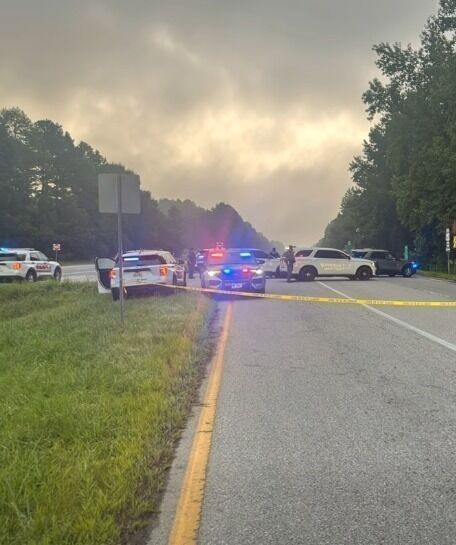
    A Colorado state senator was killed Wednesday night in a multi-vehicle crash that also injured three others. State Sen. Faith Winter, a Democrat, was the only fatality in the five-car collision, which shut down part of a highway in Centennial shortly after 6 p.m., according to the Colorado Senate Democratic Caucus, the New York Post reported.

    “We are devastated to learn of the passing of our colleague and friend, Senator Faith Winter. Today, our caucus grieves the loss of a dedicated public servant whose commitment to the people of Colorado never wavered,” Colorado Senate President James Coleman and Majority Leader Robert Rodriguez said in a joint statement.


    The deadly accident occurred on Interstate 25 close to E Dry Creek Rd, situated 16 miles southeast of the Colorado State Capitol in Denver.


    Three additional individuals sustained injuries in the collision. Authorities did not disclose the statuses of the other parties involved, according to the Colorado Sun. Police are still investigating the crash, reports said.

  • What the hell is this… found in my grandmother’s crockery cupboard 🧐🕰️ At first, I thought they were strange plastic bars, maybe cocktail accessories 🍹 or pieces of an old Christmas tree ornament 🎄. But no: they were glass, light, fragile, and obviously made with care ❤️. Thin lines, translucent colors—orange, yellow, green… Different shades, but all shaped the same way: thin, with a little “bun:g” next to them. I held them in my hand, wondering: what could they be used …⤵️

    What the hell is this… found in my grandmother’s crockery cupboard 🧐🕰️ At first, I thought they were strange plastic bars, maybe cocktail accessories 🍹 or pieces of an old Christmas tree ornament 🎄. But no: they were glass, light, fragile, and obviously made with care ❤️. Thin lines, translucent colors—orange, yellow, green… Different shades, but all shaped the same way: thin, with a little “bun:g” next to them. I held them in my hand, wondering: what could they be used …⤵️

    It began with a quiet afternoon of cleaning and curiosity. While sorting through my grandmother’s old closet—a place filled with memories gathered over many decades—I noticed a small box carefully tucked behind a stack of aging books. It didn’t seem misplaced or forgotten. In fact, the way it had been hidden suggested it was stored with intention, as though it held something meaningful. Curious, I gently pulled it out and opened the lid, expecting to find old photographs, letters, or perhaps small family  keepsakes. Instead, resting inside delicate folds of tissue paper was a collection of tiny glass tubes. Each one was beautifully crafted, catching the light with soft reflections and subtle hints of color. At the top of every tube was a small metal hook, making them look elegant yet puzzling. They seemed far too special to be random objects, yet I had never seen anything like them before.

    For a moment, I simply admired them, turning one carefully between my fingers as the light shimmered through the glass. They felt delicate and purposeful, as though they once played a meaningful role in someone’s life. Still, I couldn’t guess what they were used for. Were they decorative pieces? Part of a forgotten craft? Or perhaps souvenirs from a time long gone? Wanting answers, I decided to show them to an older relative who often shared stories about the past. The moment she saw the small glass tubes, her expression softened with recognition. A warm smile spread across her face as she said, “You found pocket vases.”

    Family
    She explained that these miniature vases were once a charming tradition many decades ago. Gentlemen would carry them tucked into their jacket pockets, each designed to hold a single fresh flower. It was a subtle and thoughtful gesture—one small bloom chosen carefully and carried close to the heart. When the right moment came, the flower could be offered to someone special as a sign of admiration, appreciation, or simple kindness. In an era when gestures often spoke louder than words, something as small as a single flower could convey sincerity and warmth. Hearing this story transformed the tiny objects in my hands. What had first seemed mysterious now felt like delicate reminders of a time when thoughtful details held great meaning.
    As I carefully placed the glass vases back into the tissue-lined box, I couldn’t help reflecting on how many stories may still be hidden within everyday objects. My grandmother had quietly kept these small treasures, preserving not just the items themselves but the traditions and memories connected to them. They were more than decorative pieces—they were symbols of a gentler time and reminders that meaningful gestures do not have to be grand to be powerful. Sometimes the most touching expressions of care are the simplest ones. In that moment, I realized that small discoveries can reveal wonderful pieces of history and remind us how thoughtful traditions continue to connect generations.
  • What the hell is this… found in my grandmother’s crockery cupboard 🧐🕰️ At first, I thought they were strange plastic bars, maybe cocktail accessories 🍹 or pieces of an old Christmas tree ornament 🎄. But no: they were glass, light, fragile, and obviously made with care ❤️. Thin lines, translucent colors—orange, yellow, green… Different shades, but all shaped the same way: thin, with a little “bun:g” next to them. I held them in my hand, wondering: what could they be used …⤵️

    It began with a quiet afternoon of cleaning and curiosity. While sorting through my grandmother’s old closet—a place filled with memories gathered over many decades—I noticed a small box carefully tucked behind a stack of aging books. It didn’t seem misplaced or forgotten. In fact, the way it had been hidden suggested it was stored with intention, as though it held something meaningful. Curious, I gently pulled it out and opened the lid, expecting to find old photographs, letters, or perhaps small family  keepsakes. Instead, resting inside delicate folds of tissue paper was a collection of tiny glass tubes. Each one was beautifully crafted, catching the light with soft reflections and subtle hints of color. At the top of every tube was a small metal hook, making them look elegant yet puzzling. They seemed far too special to be random objects, yet I had never seen anything like them before.

    For a moment, I simply admired them, turning one carefully between my fingers as the light shimmered through the glass. They felt delicate and purposeful, as though they once played a meaningful role in someone’s life. Still, I couldn’t guess what they were used for. Were they decorative pieces? Part of a forgotten craft? Or perhaps souvenirs from a time long gone? Wanting answers, I decided to show them to an older relative who often shared stories about the past. The moment she saw the small glass tubes, her expression softened with recognition. A warm smile spread across her face as she said, “You found pocket vases.”

    Family
    She explained that these miniature vases were once a charming tradition many decades ago. Gentlemen would carry them tucked into their jacket pockets, each designed to hold a single fresh flower. It was a subtle and thoughtful gesture—one small bloom chosen carefully and carried close to the heart. When the right moment came, the flower could be offered to someone special as a sign of admiration, appreciation, or simple kindness. In an era when gestures often spoke louder than words, something as small as a single flower could convey sincerity and warmth. Hearing this story transformed the tiny objects in my hands. What had first seemed mysterious now felt like delicate reminders of a time when thoughtful details held great meaning.
    As I carefully placed the glass vases back into the tissue-lined box, I couldn’t help reflecting on how many stories may still be hidden within everyday objects. My grandmother had quietly kept these small treasures, preserving not just the items themselves but the traditions and memories connected to them. They were more than decorative pieces—they were symbols of a gentler time and reminders that meaningful gestures do not have to be grand to be powerful. Sometimes the most touching expressions of care are the simplest ones. In that moment, I realized that small discoveries can reveal wonderful pieces of history and remind us how thoughtful traditions continue to connect generations.
  • I Laid My Son to Rest 15 Years Ago – When I Hired a Man at My Store, I Could Have Sworn He Looked Exactly Like Him

    I Laid My Son to Rest 15 Years Ago – When I Hired a Man at My Store, I Could Have Sworn He Looked Exactly Like Him

    I laid my son to rest years ago and spent every day since trying to fill the silence he left behind. Then I came across a photo of a man who looked exactly like the boy I buried.

    I buried my son, Barry, 15 years ago. That kind of thing changes a man.

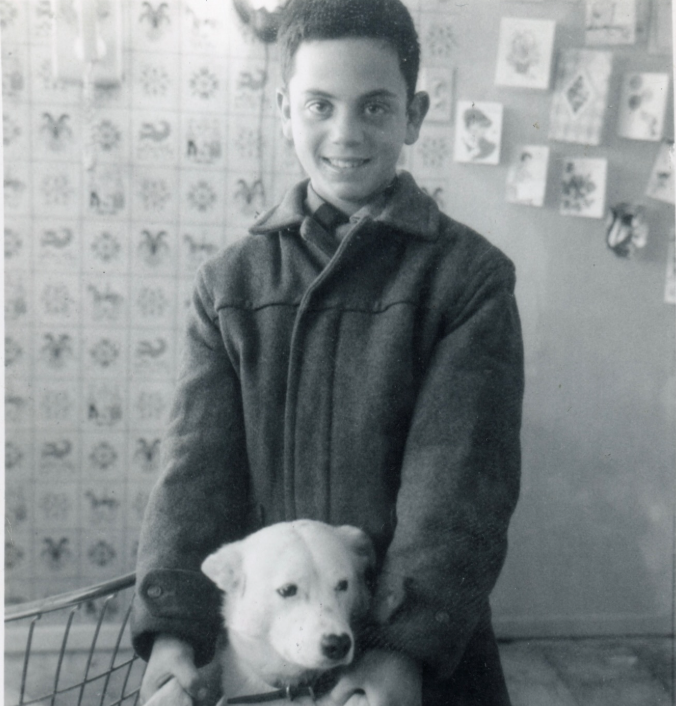
    My son was 11 when he died. He had sandy-blond hair and a shy smile. I still remember him as if it happened the day before.

    Barry’s disappearance tore my world apart.

    THAT KIND OF THING CHANGES A MAN.

    The search lasted for months. Police boats dragged the quarry lake. Volunteers walked miles of forest trails. My wife, Karen, and I spent countless nights staring at the phone, hoping it would ring.

    It never did.

    Eventually, the sheriff sat us down. Without a body, there wasn’t much they could do. The case would stay open, but after so long, they had to assume our son had died.

    Karen cried until she couldn’t breathe.

    I just sat there.

    Life continued.

    Karen and I never had other children. We talked about it, but I think we believed losing another child would destroy us completely.

    So instead, I buried myself in work.

    I owned a small hardware and supply store just outside of town. Keeping it running gave me something to focus on, which made the days move forward.

    Fifteen years passed in that way.

    I BURIED MYSELF IN WORK.

    Then, one afternoon, something strange happened.

    I’d been sitting in the office flipping through resumes for a janitor position. The store needed someone dependable.

    Most of the applications looked the same: short job histories, a few references, nothing memorable.

    Then I reached one that made me stop.

    The name at the top read “Barry.”

    I told myself it was just a coincidence. “Barry” was a common name.


    ONE AFTERNOON, SOMETHING STRANGE HAPPENED.

    The man in it looked uncannily familiar. He was 26, had darker hair than my son, broader shoulders, and a rougher look around the eyes. But something about his face struck me hard.

    The shape of his jaw.

    The curve of his smile.

    It looked like the man my son might’ve grown into!

    SOMETHING ABOUT HIS FACE STRUCK ME HARD.

    I sat, staring at the photo.

    There was a seven-year gap in his work history.

    And right below that gap was a short explanation: incarcerated.

    Most people would’ve tossed the resume aside right then.

    I didn’t. Maybe it was the memories of my late son that made me do what I did.

    Instead, I picked up the phone and called the number on the page.

    THERE WAS A SEVEN-YEAR GAP IN HIS WORK HISTORY.

    Barry arrived for the interview the following afternoon. When he stepped into the office and sat across from me, he looked nervous but determined. The resemblance hit me even harder.

    For a moment, I couldn’t speak.

    He gave a small, awkward smile.

    “I appreciate the chance to interview, sir.”

    His voice pulled me back to reality.

    THE RESEMBLANCE HIT ME EVEN HARDER.

    I glanced down at the resume again. “You’ve got a gap here.”

    “Yes, sir. I made mistakes in my youth. I paid for them. I just want a chance to prove I’m not that person anymore.”

    His honesty surprised me. Most people would have danced around the subject.

    I studied him carefully. The more I looked, the more the strange feeling.

    He looked so much like my Barry that it felt as if I were sitting across from him.

    Then I made a decision. “Job starts Monday.”

    “YOU’VE GOT A GAP HERE.

    Barry blinked in surprise. “You’re serious?”

    “I don’t joke about hiring.”

    His shoulders dropped with relief. “Thank you. You won’t regret it!”

    I believed him, but Karen didn’t. The moment I told my wife about the new hire that evening, she exploded.

    “An ex-con?” she shouted. “Are you out of your mind?!”

    “He served his time,” I replied calmly.

    “ARE YOU OUT OF YOUR MIND?!”

    “That doesn’t mean he’s safe!” she shot back. “What if he robs us?”

    I leaned back in my chair and rubbed my temples.

    Karen had always been cautious, but losing Barry made her protective of everything.

    “I trust my instincts,” I said.

    She folded her arms.

    I didn’t tell her the real reason. I couldn’t.

    “WHAT IF HE ROBS US?”

    Barry proved himself quickly. He showed up 15 minutes early every day and worked harder than anyone else, sweeping floors, organizing stock, hauling boxe

    Customers liked him. My employees respected him. He was polite and decent.

    Weeks turned into months, and not once did he give me a reason to doubt him.

    Eventually, we started talking more. Barry told me about growing up with a mother who worked two jobs. His father had disappeared when he was three years old.

    BARRY PROVED HIMSELF QUICKLY.

    One evening, I invited him to dinner.

    Karen wasn’t thrilled about it, but she kept quiet.

    Barry showed up with a pie. He sat at the table politely and thanked Karen for the meal three separate times.

    Over the next few months, he came over more often, sometimes even for the weekend.

    I realized something one night while we were watching a baseball game in the living room.

    I enjoyed having him there.

    KAREN WASN’T THRILLED ABOUT IT.

    It felt like how fathers spent time with their sons, even though I wasn’t Barry’s biological father.

    The feeling stayed with me.

    Karen noticed too. She didn’t like it.

    In fact, I think it angered her. I could see the tension on her face every time Barry came through the door.

    But I ignored it.

    The truth finally came out one evening.

    THE FEELING STAYED WITH ME.

    Barry had been over many times by then, but that night, something felt different when he arrived. He seemed distracted and nervous. We sat at the table eating, but Barry just picked at his food.

    Then suddenly his fork slipped from his hand and clattered onto the plate.

    Karen slammed her hand on the table. “How long are you going to keep lying?” she suddenly shouted. “When are you finally going to tell him the truth?”

    I stared at her in confusion. “Honey, enough.”

    “HOW LONG ARE YOU GOING TO KEEP LYING?”

    But she wasn’t done.

    “No, it’s not enough!” she snapped. “How dare you lie to my husband and not tell him what you did to his real son? Tell him what you told me the last time before you left. I confronted Barry about being here the other day while you were in the bathroom. He confessed. I didn’t tell you until now because I didn’t want to hurt you. But I can’t keep this to myself anymore.”

    Barry stared at the table.

    My voice barely worked. “Barry,” I said slowly, “what is she talking about?”

    For several seconds, Barry had a strange expression on his face and didn’t answer. Then he finally looked at me. And what he said next nearly made me fall out of my chair.

    “TELL HIM WHAT YOU TOLD ME THE LAST TIME BEFORE YOU LEFT.”

    “She’s right,” Barry said quietly.

    “What are you saying?” I asked.

    Barry swallowed hard. “He wasn’t supposed to be there. I mean, your son.”

    Karen started crying. The sound was raw and painful, the kind that comes from years of buried anger.

    My hands gripped the edge of the table.

    Barry continued. “Fifteen years ago, I got mixed up with some older boys. I was 11. My mom worked all the time. I pretty much raised myself, and when you’re a kid alone that much, you find ways to stay busy.”

    “WHAT ARE YOU SAYING?”

    What happened then?” I asked.

    “The older boys liked picking on kids and getting them to do stupid things just for laughs. I wanted them to like me.”

    I could hear Karen sniffling beside me, but I couldn’t look away from Barry.

    “One afternoon, they told me to meet them at the abandoned quarry outside town after classes,” he continued. “They wouldn’t say why. They just kept calling me a ‘chicken’ whenever I asked.

    “I WANTED THEM TO LIKE ME.”

    But that’s one place that all the kids have been warned to stay away from?” I interjected.

    “Yeah. And I was terrified. I didn’t want to go alone.”

    Barry hesitated.

    “That’s when I saw him, your son. He kept to himself a lot at school. Kids gave him a hard time sometimes. I figured he wouldn’t say no if I asked him to come with me.”

    The room suddenly felt smaller.

    “THAT’S WHEN I SAW HIM, YOUR SON.”

    Karen covered her face.

    “He thought I’d become his friend,” Barry whispered. “When I told him we had the same name, he smiled as if it meant something special.”

    I felt my throat tighten.

    Barry’s voice began to shake. “After school, we walked out to the quarry, and when we got there, the older boys were waiting. Three of them. They told us if we wanted to prove we were brave, we had to climb along the rocky edge above the water.”

    “THE OLDER BOYS WERE WAITING.”

    Karen gasped.

    “The ledge was narrow,” Barry said. “Loose gravel everywhere. One wrong step and you could fall straight into the quarry lake. I panicked.” Barry closed his eyes. “I took one look at that drop, and I ran. I didn’t even think. I just ran all the way home.”

    “And my son?” I asked.

    Barry’s voice cracked. “He stayed.”

    Karen sobbed harder.

    “He probably thought he had to prove something,” Barry said, sadly.

    I JUST RAN ALL THE WAY HOME.”

    My hands began to tremble. “What happened to him?”

    “I didn’t know for years. The search started the next day,” Barry continued. “Police everywhere. Helicopters. People asking questions.”

    “Why didn’t you tell anyone?” Karen cried.

    Barry looked at her with guilt written all over his face. “I was scared. I thought they’d blame me. I kept telling myself maybe he’d make it home. But deep down, I knew something had gone wrong.”

    “WHAT HAPPENED TO HIM?”

    “When I turned 19, I ran into one of the older boys, now a man, at a gas station. He tried pretending he didn’t remember anything. But I shoved him against a wall and told him I wanted the truth. That’s when he finally admitted it.”

    My heart pounded.

    “He said your son slipped. The rocks gave out under his feet.”

    Karen let out a broken cry.

    “They panicked and ran,” Barry finished.

    My chest felt hollow.

    “THAT’S WHEN HE FINALLY ADMITTED IT.

    Barry continued speaking. “I lost control after that. All those years of guilt hit me at once. I started swinging at him. It was so bad that the police showed up. I got arrested. I spent the next several years in and out of prison.”

    I exhaled slowly.

    “While I was locked up, I met another inmate,” he continued. “It turned out he’d been one of the older boys at the quarry that day. He’d been carrying the same guilt for years. He started studying spirituality inside. Said he’d finally forgiven himself.”

    My head snapped up.

    “I LOST CONTROL AFTER THAT.”

    Barry sighed. “Before he was released, he helped me face everything I’d been running from. When I got out, I started looking for work. That’s when I saw the name of your store.” He glanced at me carefully.

    “You knew it was mine?” I asked.

    He nodded. “I applied because I wanted to tell you the truth. I just didn’t know how.”

    Karen looked at him through red eyes. “So you lied instead?”

    “I tried to say it many times,” Barry said. “But when I got close, I froze. I’m sorry.”

    “YOU KNEW IT WAS MINE?

    No one spoke for a long time.

    Finally, I pushed back from the table.

    “I need some air.”

    Then I walked out, and Barry must’ve left, cause he wasn’t around when I returned.

    I barely slept that night. Memories of my son haunted me.

    But Barry also featured. I thought about everything he’d told us.

    HE WASN’T AROUND WHEN I RETURNED.

    When morning came, I drove to the store as per usual.

    Barry was already there. When he saw me, he looked nervous.

    “Morning,” he said quietly.

    “Come with me,” I replied.

    We stepped into the office. I sat down.

    “Do you know why I hired you?”

    He shook his head.

    “Because you looked like my son,” I said.

    BARRY WAS ALREADY THERE.

    His eyes widened.

    “Same name and age. It felt like fate,” I continued. “I never told Karen, but before you started working here, I began having dreams about my boy. In them, he kept telling me that the truth would be revealed.”

    Barry looked stunned.

    “When I first saw you, I thought you looked exactly like him. But after last night, I realized you don’t.”

    “I am sorry.”

    “I think maybe my son’s spirit followed you. Maybe because of the guilt you carried all those years.”

    I BEGAN HAVING DREAMS ABOUT MY BOY.”

    Barry’s eyes filled with tears. “I’m so sorry.”

    I stood up. “I know. You were just a scared kid. You ran. Kids do that.”

    Barry shook his head. “But I brought him there.”

    “Yes,” I said gently. “And you carried that weight for 15 years.”

    Barry wiped his face.

    “My son deserves peace. And so do you.”

    He stared at me.

    “BUT I BROUGHT HIM THERE.”

    I stepped forward and placed a hand on his shoulder.

    “You still have a job here,” I told him. “And a place in my life.”

    Barry let out a shaky laugh of relief through tears.

    I pulled him into a hug.

    And for the first time in a long while, it felt like my son had finally come home.


  • This girl was caught in mid-flight having rela…See more

    This girl was caught in mid-flight having rela…See more

    An air traveler recently captured on video multiple moments when a fellow passenger reached across her seat to take photos of the sky.

    Fanny Gagnon O’Donnell was traveling on a flight from Spain to Germany where she was seated in the window seat.

    She told Storyful that her travel experience was going well until the person sitting next to her proceeded to cross into her space for the entirety of the flight.

    “Every 20 minutes or so he would shove his arm in front of me and take pictures of the clouds,” Gagnon O’Donnell told the outlet.

    Naked passenger removed from Southwest flight

    Fanny Gagnon O’Donnell (pictured here) was on a flight from Spain to Germany when the person next to her in the middle seat continued to cross into her seat. (Fanny Gagnon O’Donnell/Storyful).