Blog

  • Even now, whenever she visits and I find myself smiling, I remember the quiet girl who sat beside me when no one else could—and how, in the darkest moment of both our lives, her simple, unwavering kindness changed everything.

    Even now, whenever she visits and I find myself smiling, I remember the quiet girl who sat beside me when no one else could—and how, in the darkest moment of both our lives, her simple, unwavering kindness changed everything.

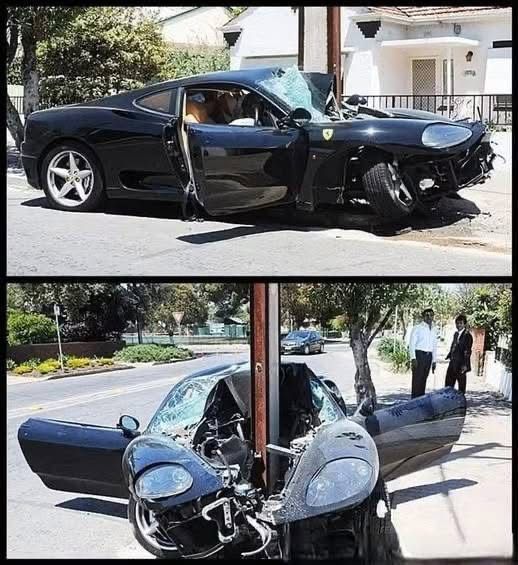
    I spent fifteen days confined to a hospital bed after the car accident—fifteen long days that blurred together beneath harsh fluorescent lights and the constant, rhythmic beeping of machines. My body was injured in ways I didn’t yet fully grasp, and my voice was gone, trapped somewhere between pain and medication.

    The doctors told me I was fortunate to survive, but it didn’t feel like fortune. It felt like being suspended in a still, empty space where time kept moving forward without me. My children lived far away and couldn’t come, my friends drifted back into their own routines, and the hours stretched endlessly, with the nights being the hardest of all.

    That was when the loneliness settled in, heavy and complete. Almost every night, a girl appeared—quiet, maybe thirteen or fourteen, with dark hair tucked behind her ears and eyes that seemed far older than her years.

    She never introduced herself or explained why she came. She simply pulled a chair beside my bed and sat with her hands folded, as though she belonged there. I couldn’t speak or ask questions, but somehow she understood

    One night, she leaned closer and whispered softly, “Be strong. You’ll smile again,” and those words became something I held onto whenever the pain and fear felt overwhelming.

    Her presence became the one constant I could depend on. When the pain spiked or the silence grew too deep, I found myself waiting for the faint scrape of the chair and the quiet comfort she brought.

    She never interfered with the machines or the nurses—she simply stayed, and in a place where I felt invisible, that small act meant everything.

    When I finally regained my voice and asked the staff about her, their response was gentle but firm: no such visitor had ever been recorded.

    They suggested it was the medication, the trauma—hallucinations shaped by stress. I accepted that explanation, because I didn’t know what else to believe.

    Six weeks later, I was discharged and returned home, still fragile but thankful. As I unlocked my front door that afternoon, a familiar stillness washed over me—the same feeling I had known during those long hospital nights.

    Then I saw her standing on my doorstep. “My name is Tiffany,” she said, nervously twisting her fingers.

    She explained that she was the daughter of the woman whose car had crossed the line and crashed into mine, the mother who hadn’t survived despite surgeries and long nights in intensive care.

    Tiffany had spent those evenings wandering the hospital halls, unable to face going home alone, and watching me fight had given her hope that her own mother might survive.

    Then she placed something in my hand—a necklace, my grandmother’s, the one I had believed was lost forever in the crash. She had found it and kept it safe, afraid it might disappear.

    I broke down, overwhelmed, and held her as we both carried our grief in that shared moment of connection. Over the years, that bond never faded. I became something like a mother to her, and we remained part of each other’s lives.

    Even now, whenever she visits and I find myself smiling, I remember the quiet girl who sat beside me when no one else could—and how, in the darkest moment of both our lives, her simple, unwavering kindness changed everything.

  • A Girl Appeared Beside My Hospital Bed — Then She Said My Name

    I spent fifteen days confined to a hospital bed after the car accident—fifteen long days that blurred together beneath harsh fluorescent lights and the constant, rhythmic beeping of machines. My body was injured in ways I didn’t yet fully grasp, and my voice was gone, trapped somewhere between pain and medication.

    The doctors told me I was fortunate to survive, but it didn’t feel like fortune. It felt like being suspended in a still, empty space where time kept moving forward without me. My children lived far away and couldn’t come, my friends drifted back into their own routines, and the hours stretched endlessly, with the nights being the hardest of all.

    That was when the loneliness settled in, heavy and complete. Almost every night, a girl appeared—quiet, maybe thirteen or fourteen, with dark hair tucked behind her ears and eyes that seemed far older than her years.

    She never introduced herself or explained why she came. She simply pulled a chair beside my bed and sat with her hands folded, as though she belonged there. I couldn’t speak or ask questions, but somehow she understood.

    One night, she leaned closer and whispered softly, “Be strong. You’ll smile again,” and those words became something I held onto whenever the pain and fear felt overwhelming.

    Her presence became the one constant I could depend on. When the pain spiked or the silence grew too deep, I found myself waiting for the faint scrape of the chair and the quiet comfort she brought.

    She never interfered with the machines or the nurses—she simply stayed, and in a place where I felt invisible, that small act meant everything.

    When I finally regained my voice and asked the staff about her, their response was gentle but firm: no such visitor had ever been recorded.

    They suggested it was the medication, the trauma—hallucinations shaped by stress. I accepted that explanation, because I didn’t know what else to believe.

    Six weeks later, I was discharged and returned home, still fragile but thankful. As I unlocked my front door that afternoon, a familiar stillness washed over me—the same feeling I had known during those long hospital nights.

    Then I saw her standing on my doorstep. “My name is Tiffany,” she said, nervously twisting her fingers.

    She explained that she was the daughter of the woman whose car had crossed the line and crashed into mine, the mother who hadn’t survived despite surgeries and long nights in intensive care.

    Tiffany had spent those evenings wandering the hospital halls, unable to face going home alone, and watching me fight had given her hope that her own mother might survive.

    Then she placed something in my hand—a necklace, my grandmother’s, the one I had believed was lost forever in the crash. She had found it and kept it safe, afraid it might disappear.

    I broke down, overwhelmed, and held her as we both carried our grief in that shared moment of connection. Over the years, that bond never faded. I became something like a mother to her, and we remained part of each other’s lives.

    Even now, whenever she visits and I find myself smiling, I remember the quiet girl who sat beside me when no one else could—and how, in the darkest moment of both our lives, her simple, unwavering kindness changed everything.

  • Viral War Rumor Explodes Online, But There is One Problem No One Wants to Admit

    Viral War Rumor Explodes Online, But There is One Problem No One Wants to Admit

    It started the way many modern crises seem to begin—not with confirmed facts, but with a wave of urgent claims spreading faster than anyone could verify them.

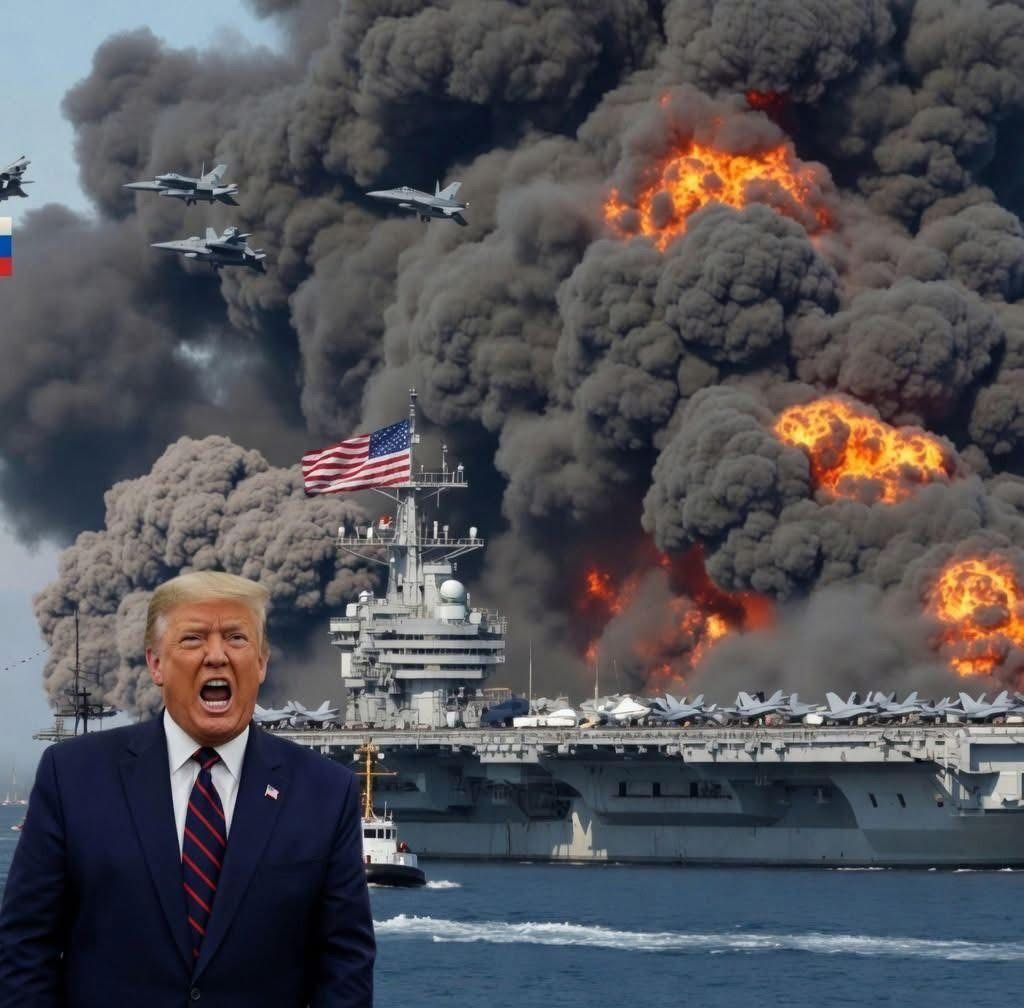
    Across social media, posts began circulating about an alleged military attack involving a heavily protected vessel. The language was immediate, dramatic, and confident. Screens filled with warnings, speculation, and bold declarations that something serious had just occurred.

    Within minutes, thousands were sharing the story.

    Within hours, it had reached a global audience.

    But there was a critical issue hiding beneath the surface of all that attention.

    There was no confirmation.

    No official statement. No verified report. No acknowledgment from any government agency, defense authority, or international organization responsible for monitoring such incidents.

    And yet, the story kept growing.

    That’s the reality of how information moves today. It doesn’t wait. It doesn’t slow down for verification. It spreads first—and asks questions later.

    In this case, institutions that would normally confirm or deny such an event remained silent. Defense ministries, military spokespersons, and international alliances did not issue any statements supporting the claim. Even organizations known for emphasizing reliable communication, such as the World Health Organization and UNESCO, have long warned about exactly this kind of situation—where unverified information fills the gap before facts can catch up.

    That silence matters.

    Because in matters of national security and military operations, information is never released casually. There are protocols. Layers of verification. Cross-checking procedures designed to ensure accuracy before anything reaches the public.

    When those channels remain quiet, it usually means one thing.

    The story isn’t confirmed.

    But in the absence of facts, something else takes over.

    Speculation.

    Moments of uncertainty create the perfect environment for rumors to thrive. People want answers, especially when the topic involves conflict, military action, or potential global consequences. When those answers aren’t immediately available, the gap doesn’t stay empty—it gets filled.

    Sometimes with assumptions.

    Sometimes with exaggeration.

    And sometimes with outright misinformation.

    Research from institutions like the Pew Research Center has consistently shown that breaking news events are especially vulnerable to this pattern. Early reports are often incomplete, yet they spread rapidly. As more people repeat them, they begin to feel real—even if they haven’t been verified.

    That’s how a rumor becomes a narrative.

    Several factors make this process almost inevitable.

    First, there’s the level of public interest. Anything related to military activity or international conflict naturally draws attention. People want to know what’s happening and what it means.

    Then there’s the lack of early data. Initial reports, if they exist at all, are often fragmented. Without full context, even accurate details can be misinterpreted.

    Add to that the role of unofficial sources—anonymous accounts, unverified commentators, or individuals presenting speculation as fact—and the situation becomes even more unstable.

    And finally, there’s the algorithm.

    Social media platforms prioritize engagement. Content that provokes strong reactions—fear, curiosity, urgency—is more likely to be seen, shared, and amplified. That means unverified claims can travel just as fast, if not faster, than confirmed information.

    In some cases, they travel further.

    That’s where the real danger begins.

    Because misinformation about military events isn’t just confusing—it can have real-world consequences.

    False or premature claims can escalate tensions between countries. They can influence financial markets, trigger panic, and complicate diplomatic relationships. Even the perception of an attack can lead to reactions that ripple far beyond the original claim.

    Organizations like NATO, for example, don’t release statements based on speculation. They follow strict processes—cross-referencing data, consulting multiple sources, evaluating security implications, and coordinating with allies before confirming anything publicly.

    That takes time.

    And in a world that expects instant answers, that delay can feel frustrating.

    But it’s necessary.

    Because accuracy isn’t optional when the stakes are this high.

    Without confirmed information, even experts cannot provide reliable analysis. Defense analysts and geopolitical researchers rely on verified data to interpret events. Institutions like the International Institute for Strategic Studies or the Stockholm International Peace Research Institute base their conclusions on evidence—not assumption.

    When that evidence doesn’t exist, responsible experts don’t speculate.

    They acknowledge uncertainty.

    That distinction matters.

    Because analysis without facts isn’t insight—it’s guesswork.

    And guesswork, when amplified, can distort reality.

    The conversation around modern military capabilities often includes advanced technologies—stealth systems, missile defenses, cyber operations, rapid-response strategies. But without confirmed details about a specific event, none of those elements can be accurately assessed.

    Speculating about them only adds noise.

    It creates the illusion of understanding without the foundation to support it.

    Which brings us to one of the most overlooked skills in today’s information environment.

    Patience.

    It sounds simple, but it’s increasingly rare.

    The expectation of instant updates has changed how people consume news. Waiting for confirmation feels slow, even uncomfortable. But history has shown that early reports are often incomplete—and sometimes wrong.

    Initial narratives evolve.

    Details change.

    Facts become clearer over time.

    That’s why the first version of a story should never be treated as the final one.

    In the case of the alleged military attack, there is still no credible confirmation supporting the claims. No official reports. No verified evidence. No acknowledgment from authoritative sources.

    Until that changes, the story remains exactly what it is.

    Unverified.

    And that’s how it should be treated.

    Moving forward, there are clear indicators to watch. Official press releases from defense agencies. Statements from governments or international alliances. Reporting from established, reputable news organizations. Independent confirmation from multiple credible sources.

    Until those appear, anything else is speculation.

    And speculation, no matter how widespread, is not the same as truth.

    The bigger issue extends beyond this single case.

    It reflects how information ecosystems function today. Every user—every share, every comment, every reaction—contributes to how stories spread. Choosing not to amplify unverified claims isn’t passive. It’s responsible.

    Because accuracy doesn’t just depend on those who report the news.

    It depends on those who consume it.

    In a world defined by speed, clarity becomes a choice.

    And choosing accuracy over assumption isn’t just important.

    It’s necessary.

  • Young Woman Found Dead Amid Suspected Envy

    Young Woman Found Dead Amid Suspected Envy

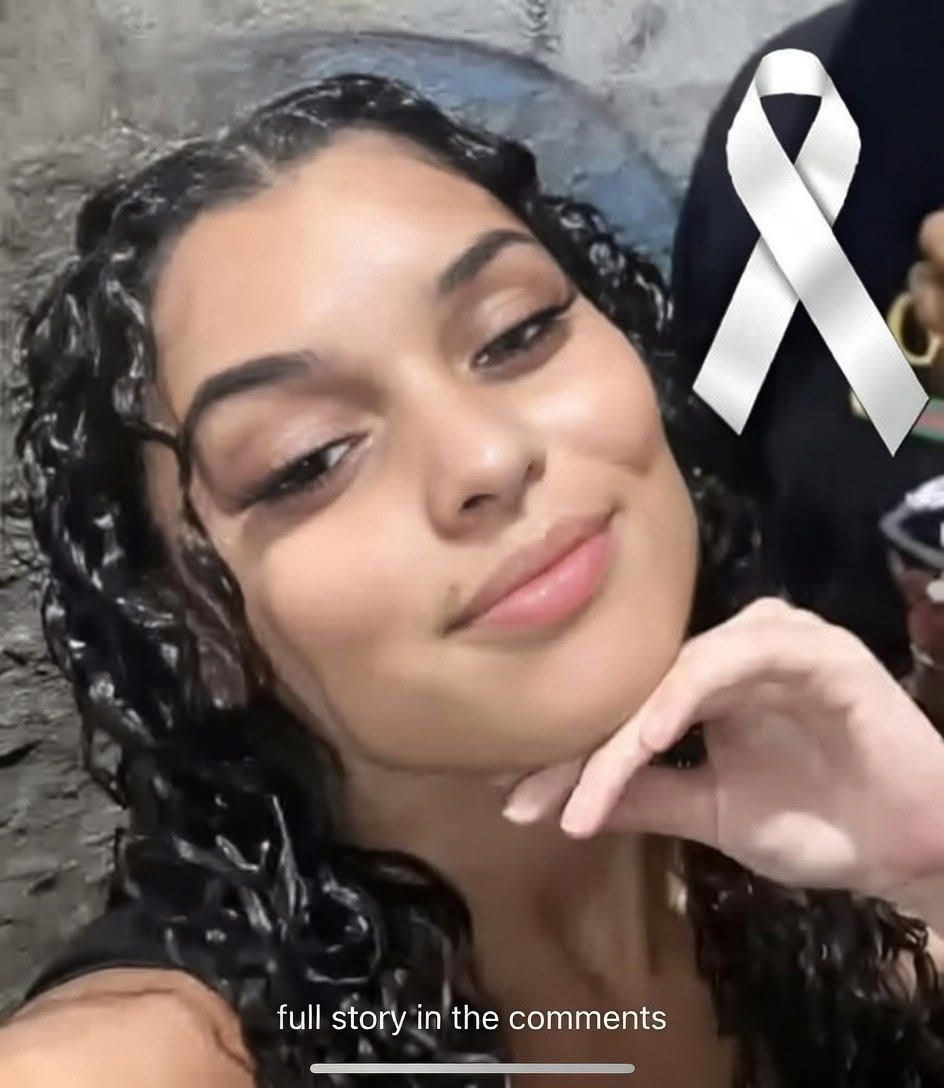
    The case came to light when residents found her body in a secluded area and quickly called emergency services. Police and forensic teams arrived to secure the scene and begin their work. Since there were no immediate signs of theft or robbery, investigators began looking more closely at other possible motives behind the attack.

    The tragedy has deeply affected the community, which has responded with grief, anger, and support for the victim’s family. Neighbors have gathered for vigils and left flowers, candles, and notes in her memory. Advocacy groups have also become involved, calling for a full investigation and reminding the public of the ongoing need to address violence against women.

    Friends and family remember her as a warm, determined, and inspiring person whose presence touched many lives. As the investigation continues, they hope for accountability and justice. Beyond the immediate loss, the case has also sparked wider reflection on jealousy, violence, and the importance of protecting vulnerable people before tragedies happen.

  • Five girls pose for prom photo – later it causes a frenzy online due to little hidden detail

    Five girls pose for prom photo – later it causes a frenzy online due to little hidden detail

    Prom is a special day in every young person’s life. These young women were similarly very excited for the big day and decided to dress up splendidly for the occasion. They posed for pictures together, and one of those pictures went viral.

    When some people noticed the hidden detail, they were very impressed! Keep reading to see what the fuss was all about!

    As everyone knows, high school students are usually under the age of 21 years old and hence are not legally allowed to drink in the United States. But other places in the world have lower age limits. While the drinking age in the UK is 18 years old, it is still not allowed to carry alcohol to school events where minors might be present.

    But this does not deter some students from trying to break the rules and making sure they get some alcohol in their system as they dance the night away.


    As everyone knows, high school students are usually under the age of 21 years old and hence are not legally allowed to drink in the United States. But other places in the world have lower age limits. While the drinking age in the UK is 18 years old, it is still not allowed to carry alcohol to school events where minors might be present.

    But this does not deter some students from trying to break the rules and making sure they get some alcohol in their system as they dance the night away.

    Image


    Eleanor did not specify whether she filled the clutch with alcohol and was herself quite surprised she managed to pull this off. “Still don’t know how I got away with a huge hip flask as my prom clutch,” she wrote on X, formerly known as Twitter.

    She reportedly bough the flask from Tiger for $12. She hid it in plain sight in an ingenious way, so much so that no one was the wiser till she revealed her scheme herself!

    If you enjoyed this story, check out this story below to figure out how many girls are in this picture.

  • BREAKING NEWS Alert: Powerful 6.5 magnitude eαrthquake shakes the city…See more  ®

    BREAKING NEWS Alert: Powerful 6.5 magnitude eαrthquake shakes the city…See more ®

    BREAKING NEWS ALERT: Powerful 6.5 Magnitude Earthquake Shakes the City

    A powerful 6.5 magnitude earthquake struck without warning, sending shockwaves through the heart of the city and leaving residents scrambling for safety in a matter of seconds. What began as a quiet, ordinary day quickly turned into a scene of confusion, fear, and urgent response, as buildings trembled, streets cracked, and lives were suddenly disrupted.

    The quake hit in the early hours, catching many people off guard—some still asleep, others just beginning their day. Witnesses describe a deep, rumbling sound beneath their feet before the violent shaking began. Lights flickered, glass shattered, and in some areas, entire sections of buildings collapsed or were severely damaged. For those who have lived through earthquakes before, this one felt different—stronger, longer, and far more unsettling.

    “I’ve experienced tremors before, but nothing like this,” one resident said. “It felt like the ground was rolling, not just shaking. You couldn’t even stand straight.”

    Emergency services were immediately overwhelmed with calls. Within minutes, fire departments, paramedics, and police units were dispatched across multiple neighborhoods. Sirens filled the air as first responders raced against time to reach those trapped under debris or injured by falling objects.

    Initial reports indicate widespread structural damage. Older buildings appear to have been hit the hardest, with several partially or completely collapsing. In residential areas, homes have shifted off their foundations, and in some cases, roads have split open, making access difficult for rescue teams. Power outages have been reported across large parts of the city, adding to the chaos and complicating emergency efforts.

    Hospitals are currently operating at or beyond capacity. Medical staff are treating a surge of injuries ranging from minor cuts and bruises to more serious trauma. Makeshift triage centers have been set up in open areas to handle the overflow, with volunteers stepping in to assist wherever possible.

    Authorities have not yet confirmed the full extent of casualties, but officials have acknowledged that the numbers are expected to rise as rescue operations continue. Search and rescue teams are working tirelessly, using specialized equipment and trained dogs to locate survivors trapped beneath rubble. Every passing hour is critical.

    Communication networks have also been affected. Many residents report difficulty making phone calls or accessing the internet, leading to widespread concern as families struggle to reach loved ones. Social media, where accessible, has become a lifeline—people posting updates, asking for help, and marking themselves safe.

    The earthquake’s impact has extended beyond physical damage. There is a palpable sense of fear and uncertainty in the air. Aftershocks have already been reported, some strong enough to cause additional damage and force people back into the streets. Authorities are urging residents to remain cautious and avoid re-entering damaged structures until they have been declared safe.

    For a generation that may remember past natural disasters, this event brings back a flood of memories—some of resilience, others of loss. Earthquakes are unpredictable, indifferent forces of nature. They don’t give warnings or second chances, and their effects can linger long after the ground stops moving.

    Local officials have declared a state of emergency, unlocking additional resources and support from state and federal agencies. Relief efforts are being mobilized rapidly, with shelters opening for those who have lost their homes or are too afraid to return to them. Supplies such as food, water, and blankets are being distributed, though demand is high.

    Infrastructure damage is also a growing concern. Bridges and highways are being inspected for structural integrity, and public transportation services have been suspended in several areas as a precaution. Engineers are assessing critical facilities to ensure they remain operational and safe.

    Experts say a 6.5 magnitude earthquake is considered strong and capable of causing significant damage, especially in densely populated areas or regions with older infrastructure. The depth of the quake and its proximity to the city have likely amplified its impact.

    Seismologists are closely monitoring the situation, warning that aftershocks could continue for days or even weeks. While most aftershocks are smaller, they can still pose serious risks, particularly to already weakened structures.

    In moments like these, communities often reveal their true strength. Neighbors are helping neighbors—checking on the elderly, sharing supplies, and offering shelter. First responders, despite the risks, continue to push forward, driven by a commitment to save lives.

    There are also reminders of how fragile normal life can be. One moment, everything is routine. The next, everything changes. It’s a reality that resonates deeply, especially for those who have lived long enough to understand that stability is never guaranteed.

    As the city begins the long road to recovery, questions will arise. Could more have been done to prepare? Were buildings adequately reinforced? Are emergency systems equipped to handle events of this scale? These are conversations that will unfold in the days ahead.

    For now, the focus remains on survival, rescue, and immediate relief.

    Authorities are urging residents to stay informed through official channels, conserve phone battery where possible, and check on those around them. If you are in a safe location, remain there. If you are in a damaged building, evacuate carefully and seek open space.

    This is a developing story, and updates will continue as more information becomes available.

    What is certain, however, is this: the earthquake has left a mark—not just on the city’s infrastructure, but on its people. Recovery will take time, patience, and collective effort.

    But if history has shown anything, it’s that even in the face of powerful forces, communities can rebuild, adapt, and come back stronger.

    Stay safe. Stay alert. And look out for one another.

  • SENSATIONAL TRAGEDY Young Woman Loss Sparks Massive Global Conversation On Hidden Health Dangers

    SENSATIONAL TRAGEDY Young Woman Loss Sparks Massive Global Conversation On Hidden Health Dangers

    R.I.P. A young woman’s life cut short—at the hands of someone she trusted most. It’s the kind of headline that stops you mid-scroll, not because it’s unfamiliar, but because it feels disturbingly close to home.

    She wasn’t a stranger to the world. She had a name, a laugh people remembered, and routines that made up a life that, from the outside, seemed ordinary. In her late twenties, she had just begun to settle into herself—the stage where dreams start taking shape into something real. Friends described her as warm but guarded, the kind of person who gave deeply but didn’t always ask for help when she needed it.

    Those closest to her knew there had been tension. Not the kind that screams for attention, but the quieter kind—dismissed arguments, subtle control, moments that didn’t sit right but were easy to explain away. Many in the 50+ generation will recognize this pattern. Back then, people didn’t always call it “toxic” or “abusive.” It was just something couples worked through, or worse, something they were expected to endure.

    But beneath that surface, something darker had been growing.

    The day it happened wasn’t supposed to be different. There were no warning sirens, no dramatic lead-up. Just another day that turned into a nightmare. Reports say the situation escalated quickly—too quickly for anyone to step in, too quickly for her to escape. By the time help arrived, it was already too late.

    And just like that, a life ended—not by accident, not by illness, but by violence rooted in something deeply human: control, anger, and unresolved pain.

    For many reading this, especially those with decades of life experience, the tragedy hits differently. It’s not just about one young woman. It’s about patterns we’ve seen before. Maybe in neighbors. Maybe in family. Maybe even in our own pasts.

    It raises uncomfortable questions.

    How many times do we overlook the early signs because they seem small?
    How often do we assume “they’ll work it out” instead of asking harder questions?
    And how many people stay silent because they’ve been taught that speaking up only makes things worse?

    Her story isn’t just about how she died—it’s about how she lived in the moments leading up to it. The choices she made, the pressures she felt, and the environment that didn’t quite protect her the way it should have.

    There’s also the other side—the person responsible. While it’s easy to reduce them to a villain in a headline, the reality is often more complex and more troubling. These situations rarely come out of nowhere. They build over time, shaped by personality, upbringing, stress, and sometimes untreated mental health issues. That doesn’t excuse what happened—but it does remind us that prevention starts long before tragedy.

    For a generation that values resilience and privacy, this story may feel like a clash of values. You were taught to keep personal matters behind closed doors. But stories like this challenge that idea. They suggest that sometimes, silence isn’t strength—it’s risk.

    In the aftermath, there are always ripples. Family members left with questions they’ll never fully answer. Friends replaying conversations, wondering if they missed something. A community briefly shaken before life slowly resumes its rhythm.

    But for her, there is no “moving on.”

    She becomes a memory. A cautionary tale. A name attached to a story people read for a moment, feel deeply about—and then scroll past.

    Unless we choose not to.

    Because the real impact of stories like this isn’t in the shock—they’re in what they make us reconsider. The conversations we’re willing to have. The signs we’re willing to take seriously. The people we decide to check on, even when it feels intrusive.

    It’s about recognizing that danger doesn’t always look dramatic. Sometimes it looks familiar. Sometimes it lives in everyday relationships.

    And sometimes, by the time it reveals itself fully, it’s already taken everything.

    R.I.P. to a young woman who deserved time, safety, and a future. Her story, painful as it is, leaves behind something important—a reminder that paying attention, speaking up, and refusing to ignore the uncomfortable might be the difference between another headline… and a life saved.

  • My husband threw me out onto the street in a towel for refusing to live with my mother-in-law, but he never imagined that…

    My husband threw me out onto the street in a towel for refusing to live with my mother-in-law, but he never imagined that…

    Camila…”

    A voice cut through the rain.

    She looked up, her heart racing. Rain poured down her face, mixing with tears she could no longer tell apart—pain or anger.

    Under the dim yellow streetlight, a figure rushed toward her.

    “…Diego?”

    Her voice trembled.

    Her brother. The one she hadn’t seen in months—because Álvaro had always found ways to keep them apart.

    Diego said nothing. He took off his jacket and gently placed it over her shoulders.

    When he saw the mark on her cheek, his expression changed.

    Not shock.

    Controlled anger. Cold and quiet.

    “Who did this to you?”

    Camila didn’t answer.

    She didn’t need to.

    Diego lifted his gaze toward the house. Lights on. Curtains shifting. Shadows behind the glass.

    He already knew.

    He had always known.

    Only Camila had refused to see it.

    “Come on,” he said firmly. “You’re leaving with me.”

    She hesitated.

    Her eyes drifted to the door—that place she once called home, now nothing more than a prison.

    “I have nothing,” she whispered.

    Diego clenched his jaw.

    “You have yourself.”

    A pause.

    “And that’s enough.”

    He didn’t knock.

    Didn’t shout.

    Didn’t beg.

    Camila simply turned away…

    And walked into the rain beside him.

    Inside the house, Álvaro watched.

    Arms crossed.

    Annoyed—but confident.

    “She’ll regret this,” he muttered. “She has nowhere to go.”

    Behind him, his mother laughed dryly.

    “Leave her. She’ll be back tomorrow—begging.”

    But that night…

    She didn’t come back.

    The next morning, Álvaro woke up late.

    No Camila.

    No breakfast.

    No coffee.

    No quiet presence that had kept his life running without him noticing.

    He frowned.

    Useless…” he muttered.

    He checked his phone.

    Nothing.

    He smirked.

    “It’ll pass.”

    At 10 a.m., his assistant called.

    “Mr. Álvaro… there’s an urgent meeting.”

    “Who called it?”

    “Mr. Diego Serrano.”

    Álvaro frowned.

    “What does he want?”

    “He said… you’ll want to hear it.”

    When he arrived at the office, something felt wrong.

    The silence.

    The stares.

    No one greeted him.

    Some avoided him.

    Others watched, tense.

    He walked into the boardroom.

    Diego was already there.

    Sitting at the head of the table.

    Calm.

    Like he belonged there.

    “Since when do you sit there?” Álvaro scoffed.

    No answer.

    “Sit down,” Diego said.

    Not a suggestion.

    A folder slid across the table.

    “Your reality.”

    Álvaro opened it.

    His face shifted.

    Confusion.

    Disbelief.

    Then fear.

    “What is this?”

    “Company documents.”

    “And?”

    “Read carefully.”

    Then he saw it.

    The name.

    The real owner.

    Diego Serrano.

    “No… that’s not possible…”

    “It always has been,” Diego said quietly.

    “Camila…” Álvaro whispered.

    “My sister,” Diego replied. “The woman you insulted last night.”

    “She never needed you,” Diego continued.

    Pause.

    “You needed her.”

    “And me.”

    Everything collapsed.

    The door opened.

    Lawyers stepped in.

    “Effective immediately, you are removed from your position.”

    “What?!”

    “Breach of contract. Misconduct. Abuse of authority.”

    “This is because of her!” Álvaro shouted.

    Diego didn’t move.

    “No.”

    Pause.

    “This is because of what you did.”

    Hours later…

    Álvaro walked out.

    No office.

    No power.

    Nothing.

    When he got home—

    The locks were changed.

    Days later, he begged.

    “Forgive me…”

    “I didn’t know…”

    “We can fix this…”

    But it was too late.

    Camila now stood in her own office.

    Her name on the door.

    “Are you okay?” Diego asked.

    She nodded.

    “Yes.”

    Pause.

    “Now I am.”

    She looked out at the city.

    Everything the same.

    Except her.

    “Do you know the most ironic part?” she said.

    “What?”

    She smiled faintly.

    “I was never weak

    Pause.

    “I was just in the wrong place.”

    And for the first time in a long time…

    She breathed freely.

    No fear.

    No permission.

    No chains.

    Because what Álvaro thought was power…

    Was only borrowed.

    And when it disappeared…

    He had nothing left.

    But she…

    Even walking away with nothing—

    Never lost what mattered most.

    Herself.

  • Dead woman found floating near Coronado Yacht Club

    Dead woman found floating near Coronado Yacht Club

    First responders were called out Wednesday morning in Coronado after a witness reported spotting a body floating offshore.

    Coronado police officers were called out a little after 11:30 a.m. to investigate the incident in Glorietta Bay. According to investigators, passers-by spotted a woman, who was unconscious, in the water and pulled her to the dock at the Coronado Yacht Club.

    Members of the Coronado Fire Department who responded to the incident attempted CPR for several minutes but were unable to resuscitate her.

    The victim has yet to be identified, but she was 62 years old at the time of her death, according to CPD. Asked for more information, a county spokesman e-mailed NBC 7 that “This is our case 2026-01020, and it currently has an information seal in place requested by Coronado Police detectives.”

    The woman’s death is part of an active police investigation, authorities said in a news release issued on Wednesday.

  • The first things that will happen to Melania if Donald Trump dies in office

    The first things that will happen to Melania if Donald Trump dies in office

    As concerns grow over Donald Trump’s health and safety, attention has turned to what would happen to Melania Trump if the elderly president were to die while still in power.

    Donald Trump, who turns 80 in July, is among the oldest serving presidents in U.S. history, and recent appearances showing bruising on his hands and swelling in his legs have fueled ongoing discussion about his health.

    “In the effort of transparency, the president wanted me to share a note from his physician with all of you today,” Leavitt said, according to the Associated Press (AP). “In recent weeks, President Trump noted mild swelling in his lower legs, in keeping with routine medical care, and out of an abundance of caution, this concern was thoroughly evaluated by the White House medical unit.

    “The president underwent a comprehensive examination, including diagnostic vascular studies, bilateral lower extremity, venous doppler ultrasounds were performed and revealed chronic venous insufficiency…a common condition, particularly in individuals over the age of 70.”

    ‘Fear not!’

    Speculation about the president’s wellbeing resurfaced again over Easter weekend, when online rumors suggested Trump had been admitted to Walter Reed Medical Center in Bethesda, Maryland.

    “There has never been a President who has worked harder for the American people than President Trump. On this Easter weekend, he has been working nonstop in the White House and Oval Office,” White House communications director Steven Cheung tweeted on April 4, 2026. “God Bless him.”

    The administration also responded directly to online speculation through its Rapid Response 47 account.

    “Deranged liberals cook up insane conspiracy theories when @POTUS goes 12 hours without speaking to press. (They said nothing when Biden routinely went 12 days without speaking to press),” the post read.

    “Fear not! President Trump literally never stops working.”

    “Miracle” Trump survived shooting

    While officials have repeatedly attempted to shut down rumors surrounding Trump’s health, public attention has remained heightened since the failed assassination attempt in July 2024 – an incident Melania Trump watched on TV from another city.

    “I didn’t really see live-live, but maybe, you know, three minutes, few minutes later,” Melania, 55, said, per CNN. “But when I saw it, I – you know, it was only – nobody really knew yet. Because when you see him on the floor, and you don’t know, you don’t know what really happened.”

    “I think something was watching over him. I think he’s – it’s almost like, the country really needs him,” she continued, adding that it was “miracle” her husband survived.

    That moment, along with several others, have led many to consider what would happen inside the White House if Trump were to die during his presidency.

    Clear line of succession

    The U.S. Constitution provides a clear line of succession designed to ensure continuity of leadership.

    Under the 25th Amendment, the vice president would immediately take the oath of office and become president.

    After President John F. Kennedy was assassinated in 1963, Jacqueline Kennedy played a central role in shaping the public farewell, carefully planning the funeral and selecting Arlington National Cemetery as the final resting place for the World War II Navy veteran.

    She also requested and lit the eternal flame that still burns at the gravesite today.

    In the weeks that followed, JFK’s widow left the White House to allow President Lyndon B. Johnson and his family to move in, illustrating how quickly both personal lives and official roles can change after the death of a sitting president.

    The transition of power following a president’s death has long followed a structured process designed to ensure stability at the highest level of government.

    What happens to Melania

    If Trump were to die, Vice President JD Vance would step in as president, with Usha Vance taking the title of first lady from Melania. Preparations would then begin for the new first family to move into the White House.

    If Trump were to die, Vice President JD Vance would step in as president, with Usha Vance taking the title of first lady from Melania. Preparations then begin for the new first family to move into the White House.

    Meanwhile, as a widow, Melania would still retain certain protections and benefits tied to her husband’s status as a former president. Under federal law, former presidents and their spouses are eligible for lifetime Secret Service protection, although individuals may choose to decline that coverage.

    Financial provisions are also in place through legislation such as the Former Presidents Act, which provides allowances intended to support the transition to private life after leaving the White House.

    ‘Politics is not her world’

    Compared to many of her predecessors, Melania as the FLOTUS has often maintained a more private approach to political life – and how she chooses to handle life as a president’s widow is unclear.

    That uncertainty is consistent with how she has approached public expectations throughout her time in Washington.

    “She doesn’t believe she has obligations in the political world,” a source from Melania’s Palm Beach circle told People in February 2025.

    “Politics is not her world,” the insider said, adding that Melania “couldn’t care less how she looks politically.”

    For Melania Trump, the role she holds today is tied closely to her husband’s presidency, meaning any sudden change in leadership would also reshape her public position overnight, placing her in a situation experienced by only a small number of presidential spouses throughout American history.

    What do you think Melania Trump would do if Donald Trump were to die while in office? Let us know your thoughts and then share this story so we can get the conversation going!

    Questions intensified after the White House confirmed in July 2025 that Trump had been diagnosed with chronic venous insufficiency, a condition affecting blood flow that commonly develops with age.

    Press secretary Karoline Leavitt addressed the diagnosis publicly, sharing details from the president’s physician in an effort to reassure the public about his condition.

    “In the effort of transparency, the president wanted me to share a note from his physician with all of you today,” Leavitt said, according to the Associated Press (AP). “In recent weeks, President Trump noted mild swelling in his lower legs, in keeping with routine medical care, and out of an abundance of caution, this concern was thoroughly evaluated by the White House medical unit.

    “The president underwent a comprehensive examination, including diagnostic vascular studies, bilateral lower extremity, venous doppler ultrasounds were performed and revealed chronic venous insufficiency…a common condition, particularly in individuals over the age of 70.”

    ‘Fear not!’

    Speculation about the president’s wellbeing resurfaced again over Easter weekend, when online rumors suggested Trump had been admitted to Walter Reed Medical Center in Bethesda, Maryland.

    “There has never been a President who has worked harder for the American people than President Trump. On this Easter weekend, he has been working nonstop in the White House and Oval Office,” White House communications director Steven Cheung tweeted on April 4, 2026. “God Bless him.”